CM Rekha Gupta Backs Delhi Master Plan 2047
Synopsis
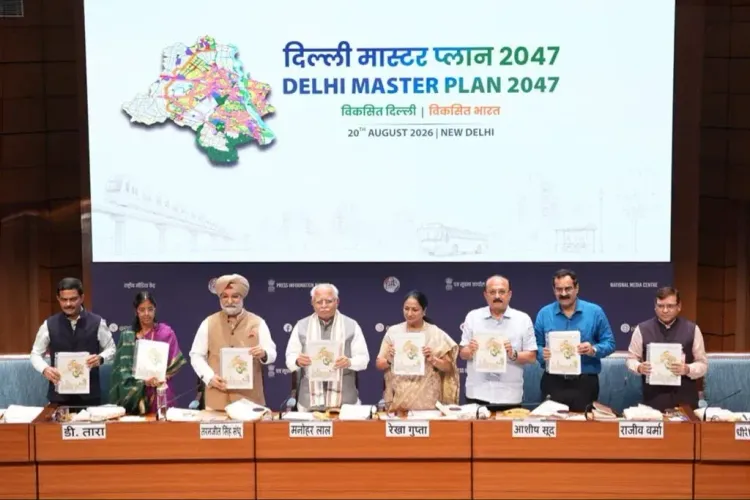
Delhi Chief Minister Rekha Gupta on 20 August 2026 welcomed the Delhi Master Plan 2047, calling it a full development roadmap covering villages, unauthorised colonies and slum rehabilitation, aligned with the Viksit Bharat vision and to be implemented in coordination with Lieutenant Governor Taranjit Singh Sandhu.
Key Takeaways
Delhi Master Plan 2047 approved, covering villages, unauthorised colonies, old residential areas and commercial zones across the capital.
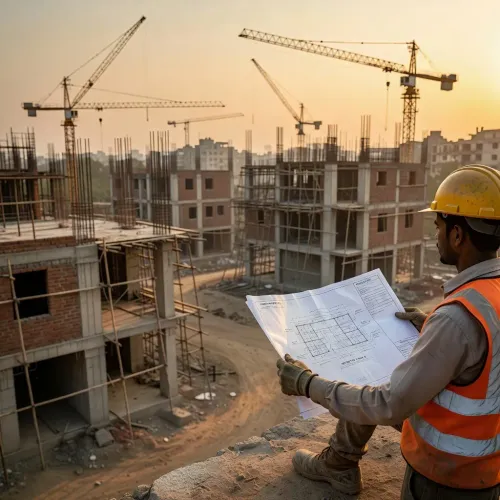
Higher Floor Area Ratio (FAR) norms will open new redevelopment pathways for denser, more efficient construction.
The 'Jahan Jhuggi, Wahan Makaan' pledge aims to give slum-dwelling families permanent, pukka homes through in-situ rehabilitation.
The plan aligns with the Viksit Bharat @2047 vision, targeting developed-nation status by India's centenary of independence.
Implementation will be coordinated between the Delhi government and Lieutenant Governor Taranjit Singh Sandhu , reflecting the Union Territory's dual-authority structure.
The Delhi Development Authority is expected to notify detailed regulations translating the plan's broad goals into enforceable rules.
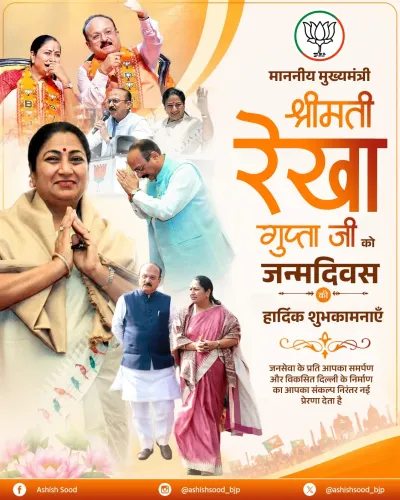
A city of 33 million people is getting a new blueprint — and Delhi Chief Minister Rekha Gupta wants every resident to know it reaches all the way to their doorstep. On Thursday, 20 August 2026, Gupta posted a detailed response to the approval of the Delhi Master Plan 2047, calling it a complete roadmap for a developed Delhi and a promise to future generations.
A Plan That Reaches from Villages to Unauthorised Colonies
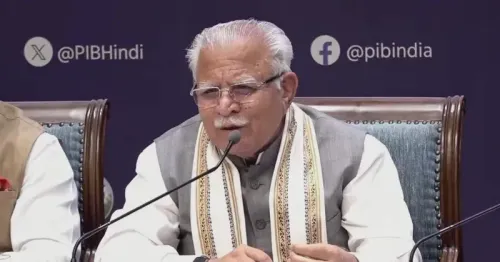
Gupta's message, posted in Hindi, expressed gratitude on behalf of Delhi's residents to Prime Minister Narendra Modi, Union Home Minister Amit Shah, and Union Minister Manohar Lal Khattar for their roles in the plan's approval. She described the master plan as one that 'har Delhiwaale ki zaroorat aur bhavishya ki chinta ko apne bheetar sameta hai' — 'encompasses the needs and future concerns of every Delhi resident.'
The plan's stated scope is sweeping: from villages and unauthorised colonies to old residential neighbourhoods and commercial market zones. Gupta highlighted three specific levers the plan deploys — higher Floor Area Ratio (FAR) to open new avenues for redevelopment, simplified provisions to expand civic amenities, and the 'Jahan Jhuggi, Wahan Makaan' ('Where the Slum, There the Home') pledge to give poor families permanent housing.
Delhi Master Plan 2047 in the Viksit Bharat Framework
The Delhi Master Plan 2047 is the latest in a lineage of urban blueprints stretching back to 1962, followed by updates in 2001 and the Master Plan for Delhi 2021 notified in February 2007. Each iteration has tried to keep pace with one of the world's fastest-growing megacities. The current plan explicitly aligns with the central government's Viksit Bharat @2047 vision — the ambition to reach developed-nation status by India's centenary of independence.
Governance of Delhi's planning has always required careful choreography between the elected government and the Lieutenant Governor, who holds authority over land and planning as a Union Territory. Gupta named Lieutenant Governor Taranjit Singh Sandhu as the coordinating figure under whose watch the Delhi government will translate the vision into ground-level action.
'Jhuggi to Pukka House' — the Stakes for Slum Dwellers
The most politically charged element of the plan is its housing promise. Delhi is home to hundreds of slum clusters, and the in-situ rehabilitation model — rebuilding families where they already live rather than relocating them — has been a stated central government goal since regularisation notifications began in 2019. Gupta framed the master plan as giving 'new strength' to that dream of a permanent home for poor families.
The plan also directly addresses Delhi's three chronic pressure points: a surging population, a strained transport network, and persistent pollution. Higher FAR norms, if implemented, could allow denser, more efficient construction — reducing urban sprawl and potentially easing commute distances. The Delhi Development Authority will be the agency responsible for notifying the detailed regulations that turn these broad goals into enforceable rules.
Delhi has waited decades for a plan that genuinely catches up to its scale. Whether the 2047 Master Plan delivers — or joins its predecessors as a document of good intentions — will be written in the lanes of its unauthorised colonies and the new homes of its slum dwellers.
Point of View
Making the capital a flagship for the broader national vision. The 'Jahan Jhuggi, Wahan Makaan' pledge, if executed, could reshape the electoral geography of Delhi's vast slum clusters — a constituency that has historically swung between parties. The real test will be whether the Delhi Development Authority can translate higher FAR norms and in-situ rehabilitation into visible, on-ground change before the next electoral cycle.
NationPress
20 Aug 2026
Frequently Asked Questions
What is the Delhi Master Plan 2047?
The Delhi Master Plan 2047 is an updated urban development blueprint guiding land use, housing, transport and infrastructure for Delhi until the year 2047, aligned with the central government's Viksit Bharat vision. It covers areas from villages and slum clusters to unauthorised colonies and commercial zones.
What is the 'Jahan Jhuggi, Wahan Makaan' scheme?
'Jahan Jhuggi, Wahan Makaan' means 'Where the Slum, There the Home' — a pledge to rehabilitate slum-dwelling families in-situ, building permanent pukka homes on the same land rather than relocating residents. Delhi CM Rekha Gupta cited this as a key pillar of the 2047 Master Plan.
What does higher FAR mean in the Delhi Master Plan 2047?
FAR stands for Floor Area Ratio — the ratio of a building's total floor area to the size of the land it stands on. Higher FAR norms allow taller or denser buildings on the same plot, opening new redevelopment opportunities and potentially making housing more efficient in a land-scarce city like Delhi.
Who approved the Delhi Master Plan 2047?
Delhi CM Rekha Gupta credited Prime Minister Narendra Modi, Union Home Minister Amit Shah, and Union Minister Manohar Lal Khattar for the plan's approval. Implementation will be coordinated between the Delhi government and Lieutenant Governor Taranjit Singh Sandhu.
How is Delhi Master Plan 2047 different from the earlier Master Plan 2021?
The Master Plan for Delhi 2021 was notified in February 2007 and governed land use and housing until 2021. The 2047 plan extends the horizon by over two decades, explicitly integrates the Viksit Bharat national development framework, introduces higher FAR norms, and places greater emphasis on in-situ slum rehabilitation and pollution mitigation.