CM Rekha Gupta Echoes Modi on India's Chip Design-to-Manufacturing Push
Synopsis
Delhi Chief Minister Rekha Gupta amplified PM Modi's vision of India moving from chip design to full-scale chip manufacturing, underscoring the India Semiconductor Mission's goal of building a domestic, full-stack semiconductor ecosystem and reducing strategic import dependency.
Key Takeaways
Delhi CM Rekha Gupta shared PM Narendra Modi 's quote on India's ambition to move from chip design to chip manufacturing on October 22, 2026 .
The India Semiconductor Mission was approved by the Union Cabinet in 2021 , providing financial incentives for fabrication, packaging, and design projects.
India already has a strong chip-design talent base; the critical gap being targeted is physical semiconductor fabrication infrastructure.
Domestic chip manufacturing is increasingly viewed as a national-security asset , not just an industrial goal, amid global supply-chain vulnerabilities.
Key stakeholders — electronics manufacturers and the semiconductor workforce — are awaiting updates on approved fab timelines and new investment announcements.
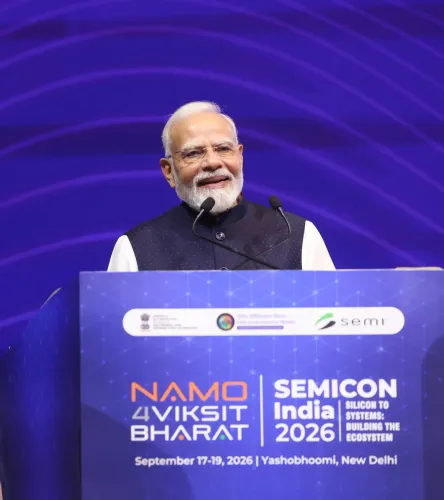
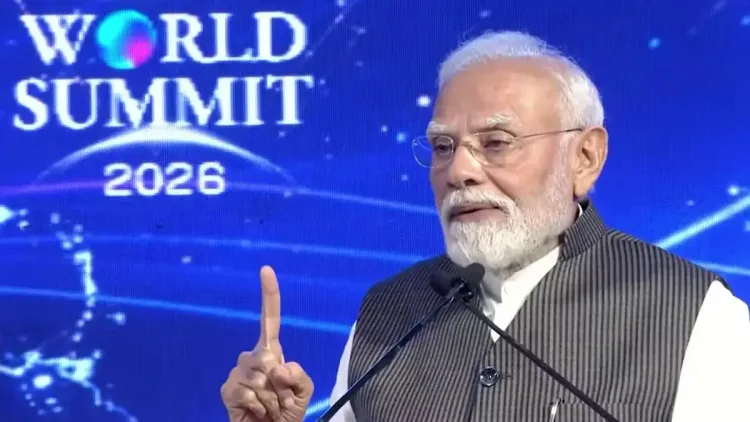
From designing chips to building the fabs that make them — Delhi Chief Minister Rekha Gupta amplified that vision on Thursday, October 22, 2026, sharing a pointed quote from Prime Minister Narendra Modi that frames India's semiconductor ambition in its sharpest terms yet: not just a software nation, but a hardware powerhouse in the making.
The quote Gupta shared — 'Chip design से chip manufacturing तक, तकनीकी शक्ति बनता भारत!' ('From chip design to chip manufacturing, India is becoming a technological power!') — captures a strategic inflection point. For decades, India dominated the design end of the semiconductor value chain, producing engineers who filled the R&D floors of the world's biggest chipmakers. The harder, capital-heavier game of actually fabricating silicon wafers largely passed India by. That is precisely the gap the government has spent the last several years trying to close.
The India Semiconductor Mission and the design-to-fab gap
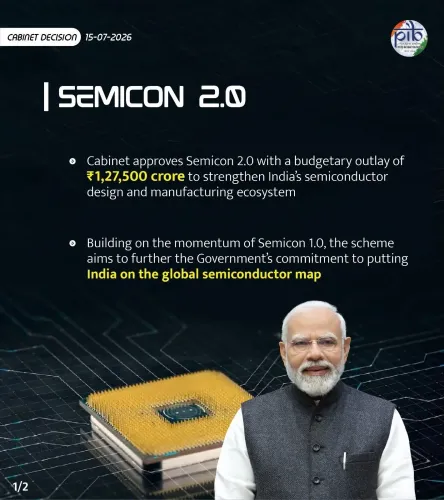
The India Semiconductor Mission (ISM), approved by the Union Cabinet in 2021, is the policy engine behind Modi's phrase. The programme extends financial incentives for both chip fabrication and chip packaging projects, targeting a full-stack domestic ecosystem — not just the talent layer India already owns, but the physical manufacturing infrastructure it has long lacked. The logic is straightforward: a country that can only design chips but not build them remains dependent on foreign fabs for the devices that power everything from smartphones to defence systems.
India's push to integrate into global semiconductor supply chains also carries a geopolitical dimension. As major economies have learned — often painfully, during supply crunches — chip dependencies are strategic vulnerabilities. Domestic fabrication capacity is increasingly treated as a national-security asset, not merely an industrial one.
What the move from design to manufacturing actually demands
Bridging the design-to-manufacturing gap is not simply a matter of investment. Semiconductor fabrication requires ultra-pure materials, precision equipment subject to export controls, a specialised workforce, and years of yield-optimisation before a fab turns profitable. India's bet is that a combination of production-linked incentives, international partnerships, and its existing deep bench of chip-design engineers can compress that timeline.
Electronics manufacturers and the semiconductor workforce — two constituencies with the most direct stake in the mission's success — are watching approved fabrication projects for concrete timelines and any fresh investment announcements signalled in upcoming policy reviews.
Rekha Gupta's post, brief as it is, plants Delhi's flag on a national technology narrative that is only accelerating. When a sitting chief minister amplifies a prime-ministerial vision on semiconductors, it signals that the politics of chip manufacturing has well and truly arrived at every level of Indian governance — not just in New Delhi's ministry corridors, but in the state capitals too.
Point of View
Semiconductors are the highest-stakes test: success would validate India's industrial-policy toolkit, while delay would expose the gap between political ambition and implementation capacity. State-level leaders echoing this messaging suggests the BJP is actively nationalising the semiconductor story ahead of any major fab announcement.
NationPress
23 Oct 2026
Frequently Asked Questions
What is the India Semiconductor Mission?
The India Semiconductor Mission is a government programme approved by the Union Cabinet in 2021 that provides financial incentives for semiconductor chip fabrication, packaging, and design projects in India, aiming to build a full domestic chip ecosystem.
Why is chip manufacturing important for India?
Chip manufacturing is strategically important because dependence on foreign fabrication plants creates supply-chain vulnerabilities. Domestic fab capacity reduces import reliance and is increasingly treated as a national-security priority.
What did Delhi CM Rekha Gupta post about semiconductors?
On October 22, 2026, Rekha Gupta shared a quote attributed to PM Modi stating 'From chip design to chip manufacturing, India is becoming a technological power,' highlighting India's semiconductor ambitions.
What is the difference between chip design and chip manufacturing?
Chip design refers to engineering the architecture and logic of semiconductors, an area where India has traditionally been strong. Chip manufacturing, or fabrication, involves physically producing the silicon wafers — a capital-intensive process India is now working to build at scale.
Which semiconductor fabs are being set up in India?
Several fabrication and assembly projects have been approved under the India Semiconductor Mission. Specific timelines and fresh investment details are expected to be announced in upcoming government policy reviews.