CM Rekha Gupta hosts special Garba Mahotsav for Delhi's teachers
Synopsis
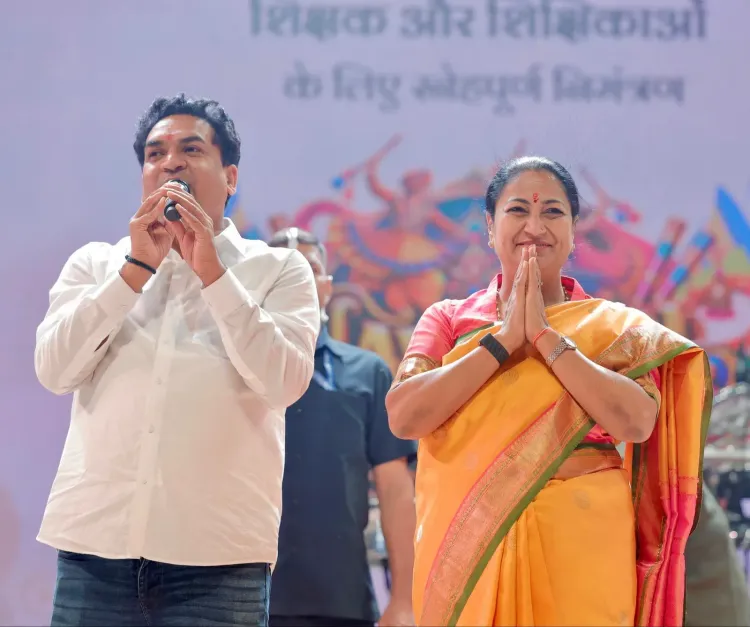
Delhi Chief Minister Rekha Gupta hosted a government-organised Garba Mahotsav for the capital's women teachers at Chhatrasal Stadium on Navratri, framing the event as a celebration of shared culture and administrative unity. Cabinet Minister Kapil Mishra also attended.
Key Takeaways
Delhi CM Rekha Gupta held a special Garba Mahotsav for women teachers on 18 October 2026 .
The event was hosted at Chhatrasal Stadium , a major public venue in north Delhi.
Cabinet Minister Kapil Mishra was present at the celebration.
CM Gupta described the initiative as the Delhi government's first such Garba event exclusively for teachers.
The event was framed around Navratri, cultural preservation, and a 'one family' vision for Delhi's administration.
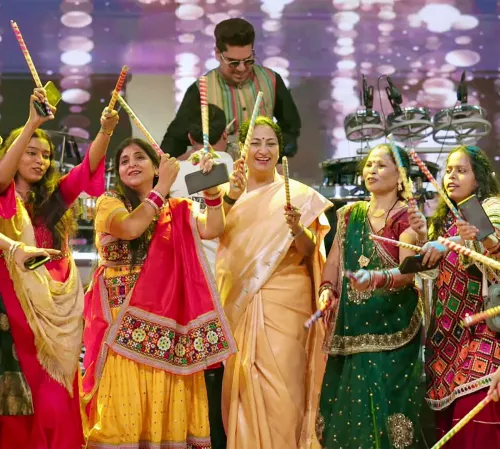
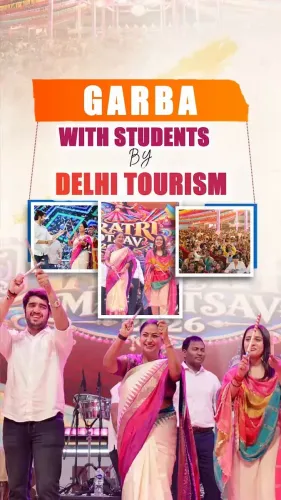
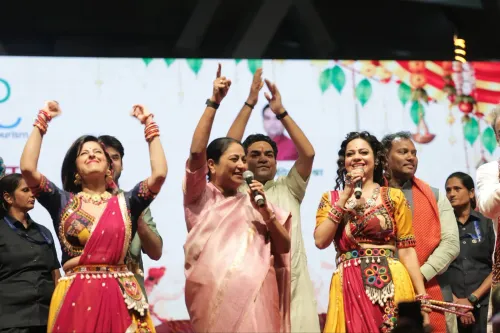
A stadium full of teachers, the beat of garba, and a message about shared culture — Delhi Chief Minister Rekha Gupta turned Chhatrasal Stadium into a Navratri celebration ground on Sunday, 18 October 2026, hosting what the government billed as a first-of-its-kind Garba Mahotsav exclusively for the capital's women teachers.
Posting on X after the event, CM Gupta wrote: 'दिल्ली को संवारना है, तो एक परिवार की तरह साथ भी चलना है और खुशियां भी बांटनी हैं' — 'To build a better Delhi, we must walk together as a family and share each other's joys.' She described the occasion as a 'joyful opportunity' to celebrate Navratri alongside her 'teacher sisters', framing the gathering around themes of cultural continuity and administrative solidarity.
Chhatrasal Stadium lights up for Delhi's teaching community
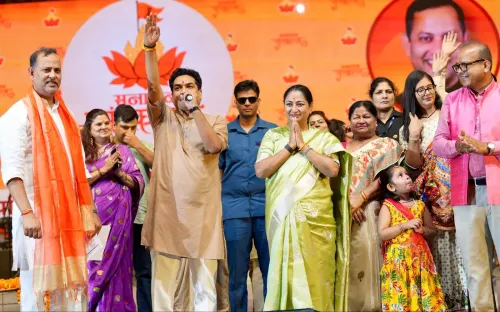
Chhatrasal Stadium, a well-known venue in north Delhi regularly used for large public events, provided the backdrop for the celebration. Cabinet Minister Kapil Mishra, a BJP colleague in the Delhi government, was also present at the event. The gathering brought together women teachers from across the capital for a night of garba — the traditional Gujarati folk dance central to Navratri festivities.
CM Gupta offered prayers to Mata Rani for the happiness, prosperity, and well-being of all. 'We are all part of the same family,' she wrote, adding that building Delhi together, sharing each other's joys, and preserving culture and tradition are the greatest strengths of that family.
State-organised festivals as a bridge to government employees
The event fits a broader pattern of state governments using major festivals to engage specific professional communities — teachers in this case — with a mix of cultural programming and a sense of institutional belonging. For a government still consolidating its presence in Delhi after years of political competition for the capital's administration, such moments carry both cultural and political weight. Subsequent cultural programmes for government employees during upcoming festivals will signal how far this approach extends.
Point of View
Neighbourhood opinion, and civic credibility. By attaching a cultural and emotional register to administrative outreach, the event goes beyond routine engagement. It also signals the government's intent to use festival seasons as platforms for brand-building with specific professional groups, a playbook increasingly common across BJP-ruled states. Whether this translates into sustained policy goodwill for Delhi's teachers depends on what follows the celebration.
NationPress
18 Oct 2026
Frequently Asked Questions
What is the Garba Mahotsav organised by the Delhi government?
It is a government-organised Garba celebration held on 18 October 2026 at Chhatrasal Stadium , Delhi, exclusively for women teachers of the capital to mark Navratri.
Who organised the Garba Mahotsav for Delhi teachers?
The event was organised by the Delhi government under Chief Minister Rekha Gupta , who described it as a first-of-its-kind initiative for the teaching community.
Where was the Garba Mahotsav held?
The celebration took place at Chhatrasal Stadium , a prominent public venue in north Delhi frequently used for large gatherings.
Who else attended the Garba event with CM Rekha Gupta?
Cabinet Minister Kapil Mishra , a BJP colleague in the Delhi government, was present at the Navratri celebration.
Why did Delhi CM Rekha Gupta hold a special event for teachers on Navratri?
CM Gupta framed the event as part of a 'one family' vision for Delhi — an effort to walk together with government employees, share cultural celebrations, and preserve tradition while building administrative solidarity.