CM Rekha Gupta Joins RAMP Drive to Boost Delhi MSMEs
Synopsis
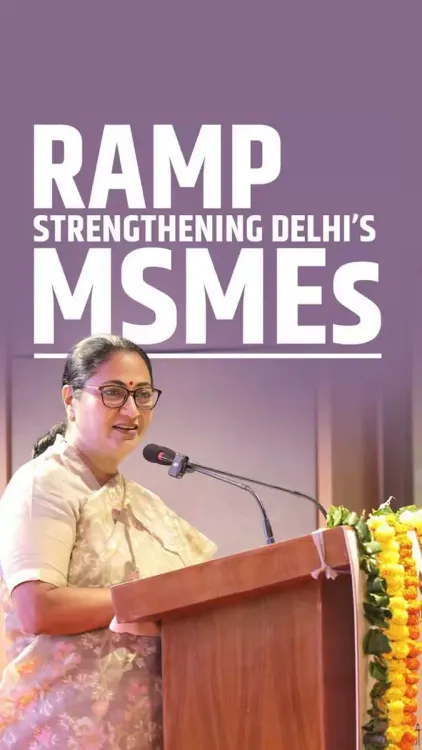
Delhi Chief Minister Rekha Gupta participated in a Mega Capacity Building Programme under the World Bank-backed RAMP scheme on 20 August 2026, reaffirming the state government's push to take Delhi's MSMEs from local markets to global value chains under PM Modi's Viksit Bharat vision.
Key Takeaways
Delhi CM Rekha Gupta participated in a Mega Capacity Building Programme under the RAMP scheme on 20 August 2026 .
RAMP (Raising and Accelerating MSME Performance) is a World Bank-supported central scheme approved in 2022 with a Rs 6,062 crore outlay.
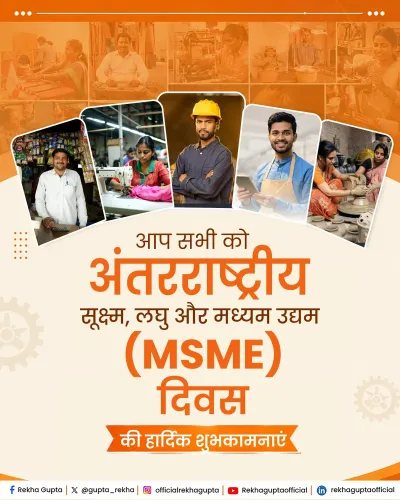
The programme targets productivity, technology adoption, and global market access for micro, small and medium enterprises.
Gupta aligned the initiative with PM Narendra Modi 's 'Local to Global' vision and the Viksit Bharat 2047 roadmap.
Delhi's MSME clusters — spanning garments, engineering, food processing, and services — are the primary beneficiaries.
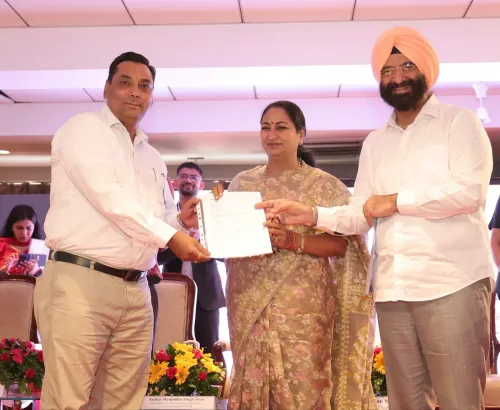
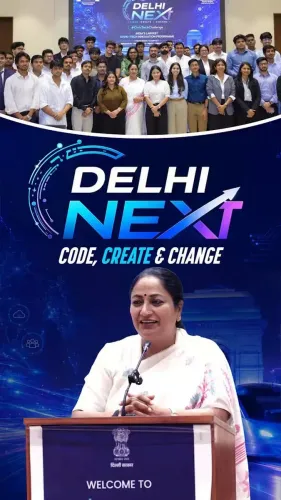
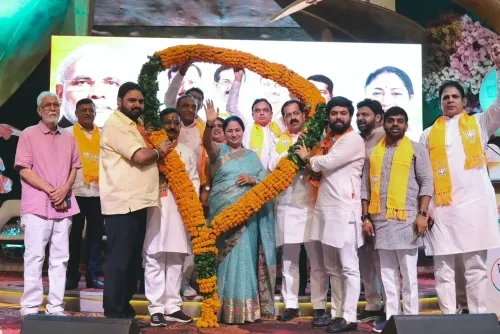
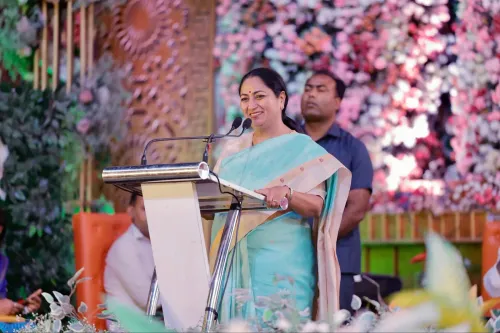
Delhi's small businesses got a direct push toward global markets on Thursday, 20 August 2026, as Delhi Chief Minister Rekha Gupta participated in a Mega Capacity Building Programme under the RAMP scheme — a World Bank-backed initiative designed to sharpen the competitiveness of India's micro, small and medium enterprises.
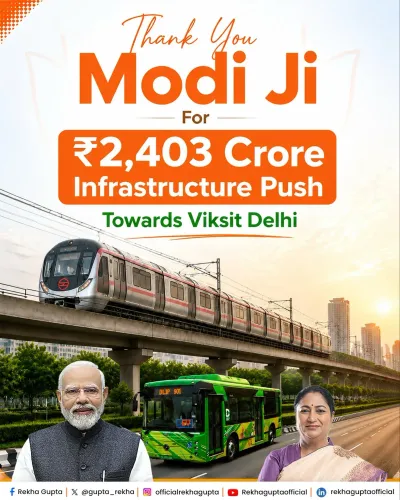
Gupta framed the event in explicitly ambitious terms, saying the effort reflects a collective commitment to Prime Minister Narendra Modi's vision of taking Delhi's enterprises 'from Local to Global.' The hashtag #ViksitDelhi — 'Developed Delhi' — signals how the state government is aligning its enterprise agenda with the broader Viksit Bharat 2047 national roadmap.
What RAMP Actually Does for Delhi's Enterprises
RAMP — Raising and Accelerating MSME Performance — is no routine scheme. Approved by the Union Cabinet in 2022 with a Rs 6,062 crore outlay, it was built to address the persistent gaps that keep Indian MSMEs trapped in local markets: limited technology adoption, weak export linkages, and low productivity. The World Bank partnership brings both funding discipline and global benchmarking to the programme. Capacity-building modules under RAMP target enterprise owners directly — equipping them with export documentation skills, quality certification pathways, and access to global value chains. For Delhi, a city whose MSME ecosystem spans garments, light engineering, food processing, and services, the stakes are substantial.Local to Global — and the Atmanirbhar Thread Running Through It
The 'Local to Global' framing is not incidental. It traces directly to Prime Minister Modi's repeated calls — amplified since the Atmanirbhar Bharat push of 2020 — to transform India's vast MSME base from a domestic supply chain into an export engine. Capacity-building events like this one are the ground-level machinery that translates those ambitions into actionable skills for enterprise owners. State-level rollout matters here because RAMP's effectiveness ultimately depends on how well individual states mobilise their MSME clusters. Delhi's participation in a 'Mega' programme suggests a scale-up in outreach — though the specific attendance numbers and outcomes from this event remain to be formally reported. The question that will define whether the momentum holds: do Delhi's MSMEs show up in export registrations and global trade fair participation in the months ahead? That is the metric that turns a capacity-building event into a growth story.Point of View
But the RAMP scheme behind it carries real World Bank-backed structure and a substantial Rs 6,062 crore outlay, lending the event more policy weight than a ceremonial appearance. The deeper test will be whether Delhi's MSME export numbers and global trade fair registrations shift in measurable ways — because without that, capacity-building events risk becoming optics rather than outcomes. Analysts watching state-level RAMP rollouts will treat Delhi's next export data cycle as the real verdict.
NationPress
20 Aug 2026
Frequently Asked Questions
What is the RAMP scheme in India?
RAMP stands for Raising and Accelerating MSME Performance, a World Bank-supported central sector scheme approved in 2022 with a Rs 6,062 crore outlay to improve productivity, technology adoption, and global market access for micro, small and medium enterprises.
What did Delhi CM Rekha Gupta do at the RAMP event?
Delhi Chief Minister Rekha Gupta participated in a Mega Capacity Building Programme under RAMP on 20 August 2026, reaffirming the state government's commitment to making Delhi's MSMEs more competitive and globally connected.
What is the 'Local to Global' vision for MSMEs?
'Local to Global' is Prime Minister Narendra Modi's vision to transform India's MSME base from domestic suppliers into active participants in global value chains and export markets, a goal embedded in the broader Viksit Bharat 2047 framework.
How does RAMP benefit Delhi's small businesses?
RAMP's capacity-building modules help enterprise owners with export documentation, quality certification, technology upgrades, and access to international markets — directly addressing the gaps that keep MSMEs confined to local trade.
What is Viksit Delhi?
'Viksit Delhi' translates to 'Developed Delhi' and is the Delhi government's framing for aligning the capital's economic and enterprise growth agenda with the national Viksit Bharat 2047 development vision.