CM Rekha Gupta Leads 1,100-Sapling Drive in Model Town
Synopsis
Delhi Chief Minister Rekha Gupta on 13 July 2026 credited public participation after 1,100 saplings were planted in Model Town under the 70 lakh plantation Maha-Abhiyan. She urged all Delhiites to join Mission Green Delhi and plant a sapling under the Ek Ped Maa Ke Naam campaign.
Key Takeaways
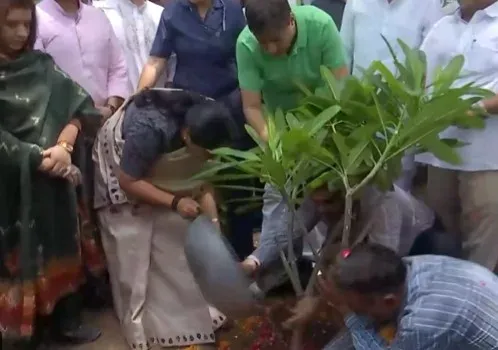
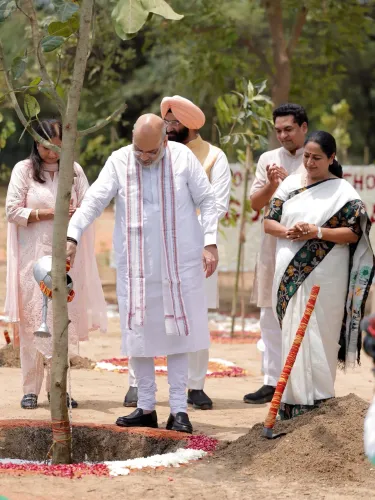
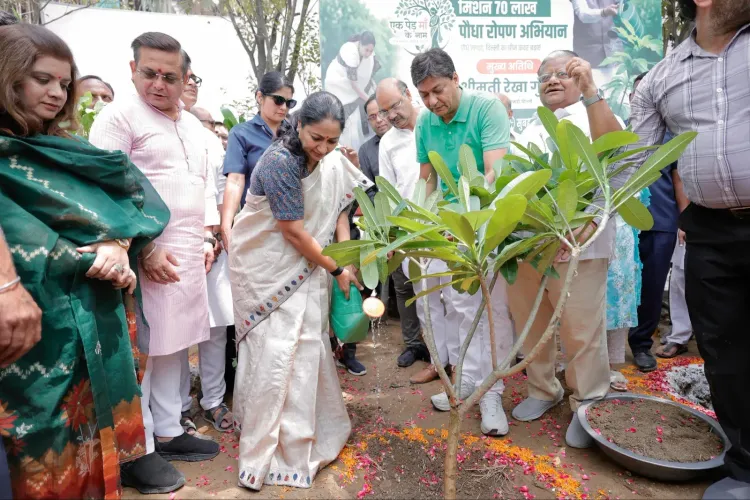
1,100 saplings were planted in Model Town constituency on 13 July 2026 under Delhi's 70 lakh plantation Maha-Abhiyan .
CM Rekha Gupta thanked RWAs, youth, women's groups, and local representatives for their participation.
The drive forms part of Mission Green Delhi , the city government's initiative to expand urban forest cover.
BJP MLA Ashok Goel of Model Town was present at the plantation event.
CM Gupta urged every Delhiite to plant at least one sapling under the national Ek Ped Maa Ke Naam campaign.
Delhi's urban green cover has historically remained below 20 percent , making such drives part of a long-standing policy priority.
Delhi Chief Minister Rekha Gupta on Monday, 13 July 2026, thanked residents, RWAs, youth groups, and local representatives of Model Town assembly constituency after a drive to plant 1,100 saplings was completed there under the city government's 70 lakh plantation Maha-Abhiyan. The Chief Minister credited public participation for the success of the event and urged all Delhiites to join the campaign.
Context
Posting on X, CM Gupta wrote — '70 लाख पौधारोपण महाअभियान के अंतर्गत आज 1,100 पौधे लगाने का यह प्रयास आपकी जनभागीदारी से सफल हुआ' ('Today's effort to plant 1,100 saplings under the 70 lakh plantation Maha-Abhiyan succeeded because of your public participation'). She also invoked the national Ek Ped Maa Ke Naam (One Tree in Mother's Name) campaign, asking every Delhiite to plant at least one sapling under that initiative to secure a greener future for coming generations.
BJP MLA Ashok Goel, who represents Model Town, was present at the event alongside a large number of local citizens, according to the Chief Minister's post.
Policy Backdrop
Mission Green Delhi is the Delhi government's umbrella initiative to expand urban forest cover through citizen-led, large-scale plantation. The broader 70 lakh sapling target is being pursued across Delhi's assembly segments, with the monsoon season providing the most favourable window for survival of new plantings.
Delhi governments have run annual monsoon plantation drives since at least the early 2010s, responding to the capital's persistently poor air quality and a green-cover figure that has historically remained below 20 percent of total city area — well short of national urban forestry benchmarks. The Ek Ped Maa Ke Naam campaign adds a national emotional resonance to what are otherwise logistically complex civic operations.
Stakeholders and Impact
Resident Welfare Associations (RWAs), youth volunteers, and women's groups — referred to by CM Gupta as mātṛśakti (women power) — formed the backbone of the Model Town event, reflecting the government's strategy of decentralising environmental action to the neighbourhood level. This approach mirrors similar citizen-outreach plantation drives seen across other BJP-governed states, where mass campaigns double as community-engagement exercises.
For Delhi residents, the practical stakes are high: higher urban tree cover is directly linked to lower particulate matter levels during winter months, when the capital routinely records some of the worst air quality readings among major global cities.
What's Next
The government's stated ambition of planting 70 lakh (7 million) saplings means the Model Town drive is one node in a much larger grid of events planned across Delhi's constituencies through the monsoon season. Analysts and environmental groups are likely to watch for independent survival audits of saplings planted, since past urban plantation campaigns across Indian cities have faced criticism over low survival rates without sustained follow-up care.
Whether Mission Green Delhi can translate headline plantation numbers into durable, measurable increases in canopy cover will be the metric that determines the campaign's long-term legacy — and a key test for CM Gupta's urban-environment agenda.
Point of View
The Delhi government elevates a routine plantation exercise into a values-laden public movement. The real policy test, however, lies downstream: Delhi's plantation campaigns have historically struggled with sapling survival rates, and a credible survival audit will determine whether the 70 lakh target translates into lasting canopy cover. CM Gupta's green agenda will ultimately be judged not by the number of saplings put in the ground, but by how many trees are still standing a year later.
NationPress
13 Jul 2026
Frequently Asked Questions
What is Mission Green Delhi?
Mission Green Delhi is a Delhi government initiative to increase urban forest cover through large-scale, citizen-led plantation drives across the capital's assembly constituencies, with a stated target of planting 70 lakh (7 million) saplings.
What is the Ek Ped Maa Ke Naam campaign?
'Ek Ped Maa Ke Naam' (One Tree in Mother's Name) is a national campaign that encourages citizens to plant a tree as a tribute to their mothers, linking environmental action with a personal emotional commitment.
How many saplings were planted in Model Town on 13 July 2026?
According to Delhi Chief Minister Rekha Gupta's post on X, 1,100 saplings were planted in the Model Town assembly constituency on 13 July 2026 under the 70 lakh plantation Maha-Abhiyan.
Why does Delhi hold large-scale tree plantation drives?
Delhi's urban green cover has historically remained below 20 percent of the city's total area, and the capital faces severe air pollution, particularly in winter. Annual monsoon plantation drives are part of a long-standing policy effort to raise tree cover and improve air quality.