CM Rekha Gupta Hails 12 Years of Modi Govt on Youth, Education
Synopsis
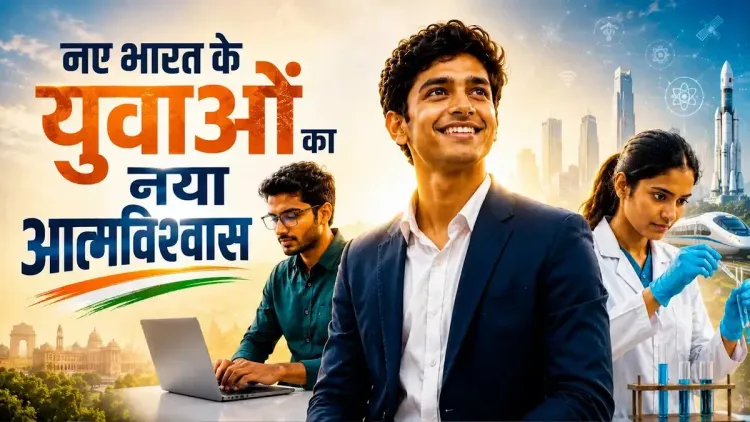
Delhi Chief Minister Rekha Gupta on 13 June 2026 praised PM Modi's twelve-year record on youth policy, highlighting NEP 2020, expansion of IITs and IIMs, and the Rozgar Mela recruitment drive as key milestones under the #12YearsOfYuvaShakti campaign.
Key Takeaways
Delhi CM Rekha Gupta posted on 13 June 2026 under #12YearsOfYuvaShakti , crediting PM Modi's twelve-year tenure with advancing youth opportunities.
The National Education Policy 2020 was cited for linking education to modern vocational skills, replacing the 1986 policy .
New IITs, IIMs, universities, and medical institutions established since 2014 were highlighted as expanding higher-education access.
Rozgar Melas , launched in 2022 , were described as a transparent mechanism delivering appointment letters directly to lakhs of youth for central government positions.
The post connected youth achievements in startups, sports, digital innovation, and research to the Atmanirbhar Bharat and Viksit Bharat 2047 goals.
The remarks reflect the BJP's broader political messaging as the Modi government marks twelve years in office in mid-2026 .
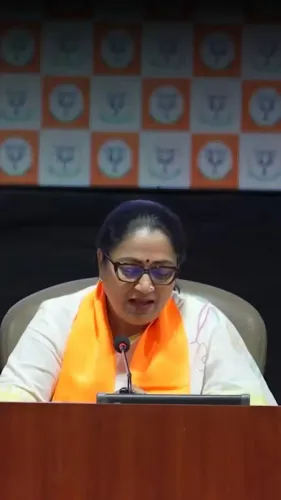
Delhi Chief Minister Rekha Gupta on Saturday, 13 June 2026, credited Prime Minister Narendra Modi's twelve-year tenure with transforming opportunities for India's youth, citing education reforms, institutional expansion, and transparent government recruitment as defining achievements of the period.
Context
Posting under the hashtag #12YearsOfYuvaShakti (12 Years of Youth Power), CM Gupta wrote that the past twelve years had been dedicated to 'turning the dreams of the country's youth into reality.' She specifically highlighted the National Education Policy (NEP) as a vehicle for connecting education with modern skills, opening 'new opportunities for youth.'
The post also pointed to a record number of new IITs, IIMs, universities, and medical institutions established during this period, describing them as fulfilling young Indians' aspirations for higher education. The remarks align with the BJP's broader messaging around the Modi government completing twelve years in office in May–June 2026.
Policy Backdrop
The National Education Policy 2020, approved by the Union Cabinet in July 2020, replaced the earlier 1986 policy and introduced multidisciplinary learning, vocational skill integration, and mother-tongue-based instruction at foundational levels. Its implementation across states has been a continuing process, with varying timelines for adoption of its provisions.
Expansion of centrally funded higher-education institutions began in earnest after 2014–15, with new IIT and IIM campuses announced in successive Union Budgets to increase seat capacity in technical and management education. On the employment front, Rozgar Melas — government recruitment fairs launched in 2022 — were introduced to speed up hiring into central ministries and public-sector undertakings and to hand appointment letters directly to candidates, bypassing earlier delays.
CM Gupta noted that through this initiative, 'lakhs of youth are being provided appointment letters directly,' framing it as a transparent departure from earlier hiring practices.
Stakeholders and Impact
The primary beneficiaries identified in the post are students and young job-seekers across India. CM Gupta drew a wide arc of youth achievement — from startups and sports to digital innovation and large-scale research — arguing that 'this youth power, with its energy and new resolve, is accelerating the building of a self-reliant and developed India.'
The reference to Atmanirbhar Bharat (Self-Reliant India), the programme announced in 2020 that encompasses startup support, research investment, and entrepreneurship, positions these education and employment measures as part of a single human-capital strategy aimed at the government's Viksit Bharat 2047 goal of a fully developed India by the centenary of Independence.
For Delhi specifically, the remarks carry political weight: the BJP returned to power in the capital after more than two decades, and aligning state governance with central youth-welfare narratives is a visible part of CM Gupta's public communication.
What's Next
Attention will now turn to state-level timelines for full NEP 2020 implementation, annual data on new seats created at IITs, IIMs, and AIIMS campuses, and cumulative appointment figures from Rozgar Melas. These metrics will determine how far the policy commitments cited by CM Gupta translate into measurable outcomes for young Indians over the remainder of the decade.
Point of View
Using education and employment as the most electorally resonant metrics for youth policy. By anchoring her message to NEP 2020, institutional expansion, and Rozgar Melas, she reinforces a governance-continuity narrative that links Delhi's new BJP administration to the central government's record. The emphasis on 'transparency' in recruitment is a pointed contrast to past controversies around government hiring processes. Longer-term, the credibility of these claims will rest on verifiable seat-addition and appointment data that state and central governments will face pressure to publish.
NationPress
24 Sept 2026
Frequently Asked Questions
What did Delhi CM Rekha Gupta say about Modi government's 12 years?
On 13 June 2026, CM Rekha Gupta posted that PM Modi's twelve-year tenure had turned youth dreams into reality through NEP 2020, expansion of IITs and IIMs, and the Rozgar Mela recruitment initiative.
What is the National Education Policy 2020?
NEP 2020 was approved by the Union Cabinet in July 2020 to replace India's 1986 education policy, introducing multidisciplinary learning, vocational skills integration, and mother-tongue-based foundational instruction.
What is Rozgar Mela and how does it help youth?
Rozgar Mela is a central government recruitment fair launched in 2022 that issues appointment letters directly to selected candidates for jobs in central ministries and public-sector undertakings, aiming for faster and more transparent hiring.
How many new IITs and IIMs were set up under the Modi government?
The Union government announced new IIT and IIM campuses in successive budgets from 2014-15 onwards; exact current counts of fully operational campuses are subject to official government data, which CM Gupta described as 'record numbers.'
What is Viksit Bharat 2047?
Viksit Bharat 2047 is the Indian government's stated goal of making India a fully developed nation by 2047, the centenary of Independence, with youth human-capital development through education and employment as a central pillar.