CM Rekha Gupta urges Delhiites to save 181, 112
Synopsis
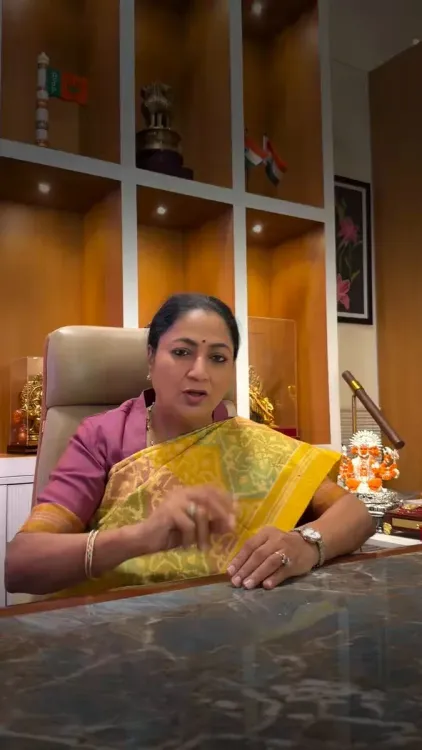
Delhi Chief Minister Rekha Gupta asked residents to save 181, the women's helpline, and 112, India's unified emergency number, and share both with family. She said every second counts in a crisis.
Key Takeaways
Delhi Chief Minister Rekha Gupta on 27 November 2026 asked every Delhiite to save 181 and 112 .
181 is the women's helpline for support and assistance to women in distress.
112 is the emergency helpline for police, fire, medical and other crises.
She asked residents to share both numbers with family, saying every second counts.
181 is a national MWCD helpline tied to Nirbhaya Fund initiatives; 112 is the DoT-mandated unified emergency number.
Delhi Chief Minister Rekha Gupta on Friday, 27 November 2026 put two digits at the centre of the capital's safety conversation: 181 for women in distress and 112 for police, fire, medical and other emergencies. She told every Delhiite that both numbers belong on every phone, and that in a crisis the clock starts before the first siren.
181 for women, 112 for every other emergency
In a post on X, she called them 'two numbers every Delhiite must know' and 'two numbers every phone should have.' 181 is the Women's Helpline for support and assistance to women in distress. 112 is the Emergency Helpline for immediate help with police, fire, medical and other emergencies.
She urged residents to save the numbers and share them with family and loved ones. 'In moments of crisis, every second counts. Knowing whom to call can make all the difference,' she wrote.
National helplines, a Delhi save-and-share drive
The 181 service is a national women's helpline under the Ministry of Women and Child Development, rolled out as part of Nirbhaya Fund initiatives to offer 24x7 support to women facing violence or distress. 112 is India's single emergency response number, mandated by the Department of Telecommunications, covering police, fire, ambulance and disaster services, with a phased rollout that includes Delhi.
Capital administrations have repeatedly used social media to publicise these established lines. The pattern is consistent: attach a national number to a local pledge on women's safety, then ask households to do the last-mile work of storing the digits.
Seconds, families, and a shared responsibility
Gupta called women's safety a shared responsibility and the security of every citizen an unwavering commitment. The campaign tag was a direct question: #NumberSaveKiya? (Have you saved the number?).
The post does not announce a new law or publish fresh call data. The operational ask is simple and high-stakes: put 181 and 112 where a shaking hand can find them, then pass them on.
In a megacity, the cheapest piece of public-safety infrastructure is still the number someone actually remembers to save.
Point of View
Which shows the remaining gap is awareness and response quality, not the existence of a number. Watch whether the hashtag is followed by call-volume or response-time data, or left as exhortation.
NationPress
27 Nov 2026
Frequently Asked Questions
What is the 181 helpline Rekha Gupta asked Delhiites to save?
181 is the women's helpline for support and assistance to women in distress. Delhi Chief Minister Rekha Gupta asked every resident to save it on their phone and share it with family.
What does the 112 emergency number cover in India?
112 is India's single emergency helpline for immediate assistance in police, fire, medical and other emergencies. The Department of Telecommunications mandated it as the unified emergency response number, including in Delhi.
When did Rekha Gupta post about 181 and 112?
She posted on Friday, 27 November 2026, urging every Delhiite to save 181 and 112 and share them with loved ones because every second counts in a crisis.
Is 181 only for Delhi or a national women's helpline?
181 is a national women's helpline under the Ministry of Women and Child Development, rolled out as part of Nirbhaya Fund initiatives for 24x7 support. The Delhi government is amplifying it as a number every local phone should carry.
Why did the Delhi CM ask people to share 181 and 112 with family?
She said knowing whom to call can make all the difference in a crisis. The message treats women's safety as a shared responsibility and citizen security as a standing commitment, not only a government hotline.