Delhi CM Rekha Gupta rescues 288 homeless in shelter drive

Synopsis
Delhi Chief Minister Rekha Gupta announced that the Delhi Government, partnering with Apna Ghar Ashram and Seva Bharati, has rescued nearly 288 homeless citizens from roads, railway stations, and bus stands. The drive reflects a BJP-led governance model combining state action with seva-oriented civil-society organisations under the Viksit Delhi agenda.
Key Takeaways
Nearly 288 homeless citizens were rescued from roads, railway stations, and bus stands across Delhi .
The operation was a joint effort by the Delhi Government , Apna Ghar Ashram , and Seva Bharati .
CM Rekha Gupta framed the drive around the principle of seva (service), stating 'No vulnerable life should be left behind.' The initiative aligns with the national Deendayal Antyodaya Yojana – National Urban Livelihoods Mission framework for urban homeless shelter, operational since 2013 .
The campaign was tagged under #ViksitDelhi , signalling its place within the BJP government's broader governance branding for the capital.
Analysts will watch for expansion of rescue operations ahead of Delhi's winter shelter planning cycle .
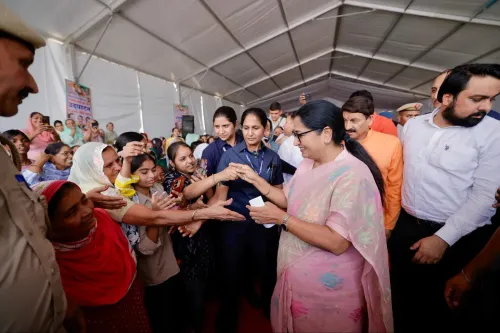
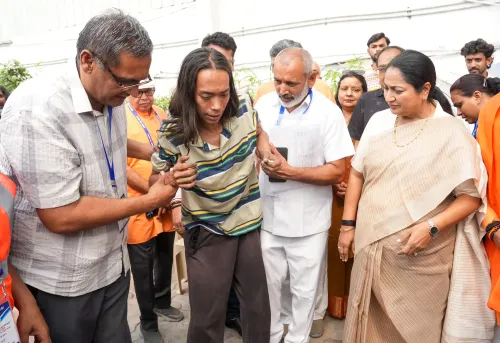
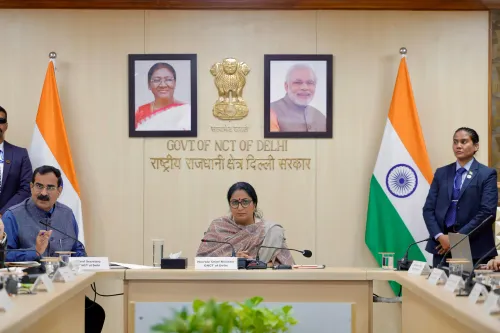
Delhi Chief Minister Rekha Gupta on Tuesday, 26 May 2026 announced that the Delhi Government, in partnership with Apna Ghar Ashram and Seva Bharati, has rescued nearly 288 homeless citizens from roads, railway stations, and bus stands across the capital, connecting them to safety, shelter, and care.
Context
Posting on X, CM Rekha Gupta described the drive as being guided by the spirit of seva (service), stating: 'No vulnerable life should be left behind.' The operation targeted some of Delhi's most visible transit and public spaces, where homeless individuals are often most exposed to risk. The campaign was carried out jointly by the state administration and two civil-society organisations with established welfare networks in the capital.
Policy Backdrop
Apna Ghar Ashram is an NGO that operates shelters and rehabilitation facilities for destitute and homeless persons. Seva Bharati, an RSS-affiliated voluntary body, has a long record of running urban relief and social service programmes across Indian cities. Together, they form part of a model that BJP-led administrations have increasingly relied upon for last-mile delivery of welfare services, pairing state capacity with the reach of seva-oriented civil-society groups.
At the national level, the Ministry of Housing and Urban Affairs has operated the Shelter for Urban Homeless component under the Deendayal Antyodaya Yojana – National Urban Livelihoods Mission (DAY-NULM) since 2013, providing a policy and funding framework for exactly this kind of urban homeless rescue and rehabilitation work. The Delhi drive aligns with that broader architecture while adding a direct state-NGO coordination layer.
Stakeholders and Impact
The immediate beneficiaries are the nearly 288 individuals removed from streets, railway stations, and bus stands — locations where homeless persons face heightened vulnerability to accidents, crime, and health emergencies. Urban homelessness in Delhi, the National Capital Territory, has been a persistent policy challenge given the city's role as a migration hub and its dense public-transport infrastructure. For civil-society partners, the drive reinforces the model of state-sanctioned rescue operations that supplement permanent shelter infrastructure.
The initiative also carries political significance for the BJP government in Delhi, signalling continuity with the broader Viksit Bharat 2047 framework, which prioritises inclusive urban development and the rehabilitation of vulnerable groups as markers of governance delivery.
What's Next
Welfare observers will watch whether this rescue drive is a one-off announcement or the opening of a sustained operational cycle. With Delhi's winter shelter planning typically beginning in the second half of the year, any expansion of joint rescue operations and related budget allocations in the upcoming Delhi budget cycle will be a key indicator of the programme's scale and permanence. CM Gupta's use of the #ViksitDelhi hashtag suggests the administration intends to frame such welfare actions as part of a larger, branded governance agenda for the capital.
Point of View
The communication reinforces a broader BJP pattern of crediting RSS-ecosystem organisations with last-mile welfare delivery. The #ViksitDelhi tag ties a ground-level welfare action to the national Viksit Bharat 2047 narrative, a strategic move to demonstrate Delhi-specific dividends from the larger ideological project. Whether the 288-person figure translates into sustained shelter capacity or remains a headline statistic will determine the drive's real policy weight.
NationPress
25 Sept 2026
Frequently Asked Questions
How many homeless people were rescued by the Delhi Government?
The Delhi Government, along with Apna Ghar Ashram and Seva Bharati, rescued nearly 288 homeless citizens from roads, railway stations, and bus stands, according to a post by CM Rekha Gupta on 26 May 2026 .
What is Apna Ghar Ashram?
Apna Ghar Ashram is a non-governmental organisation that operates shelter homes and rehabilitation facilities for homeless and destitute persons in Delhi .
What is Seva Bharati and why is it involved in Delhi's homeless drive?
Seva Bharati is an RSS-affiliated voluntary organisation that runs social service and urban relief programmes. It partnered with the Delhi Government for last-mile outreach in the homeless rescue operation.
What government scheme covers urban homeless shelters in India?
The Deendayal Antyodaya Yojana – National Urban Livelihoods Mission (DAY-NULM) , run by the Ministry of Housing and Urban Affairs since 2013 , includes a Shelter for Urban Homeless component that funds and governs such rescue and shelter programmes.
What is the Viksit Delhi initiative?
#ViksitDelhi is a governance hashtag used by the BJP -led Delhi government to brand development and welfare actions in the capital as part of the broader Viksit Bharat 2047 inclusive-development framework.