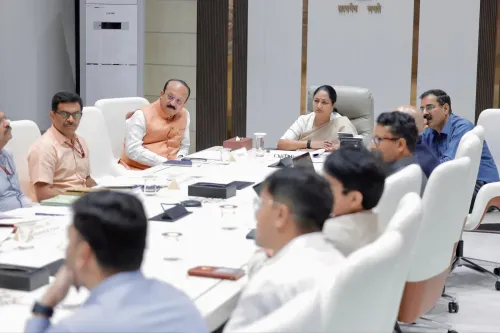
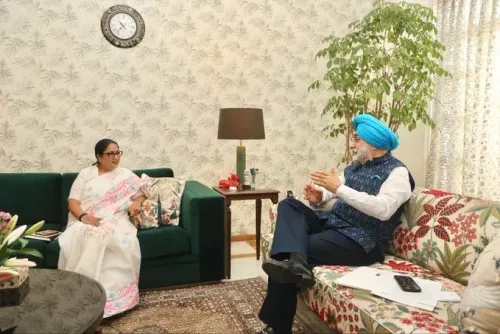
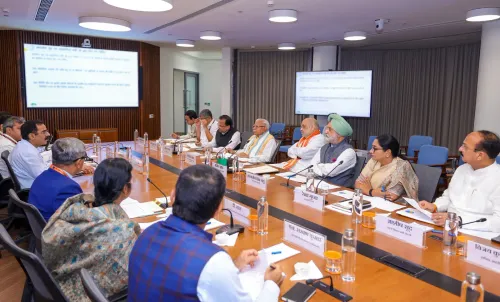
CM Rekha Gupta Tables Three Landmark Bills in Delhi Assembly

Synopsis
Delhi Chief Minister Rekha Gupta tabled three major bills in the Assembly's Monsoon Session on 7 August 2026 — extending slum rehabilitation eligibility to January 2025, introducing a Right to Service Act with penalties for officials, and scrapping the Bed & Breakfast Scheme for a new safety-focused framework.
Key Takeaways
The slum rehabilitation cutoff date is proposed to be extended from 2015 to 1 January 2025 , potentially covering ~99% of eligible slum families in Delhi.
A Right to Service Act would legally mandate time-bound government services, with fines and penalties on officials who miss deadlines.
The existing Bed & Breakfast Scheme is proposed for abolition and replacement with a new safety-oriented regulatory framework.
All three proposals were tabled during the Delhi Assembly Monsoon Session on 7 August 2026 .
Legislative passage and implementation timelines remain the key variables to watch for each bill.
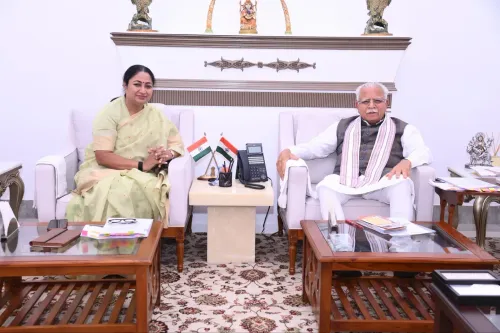
Three bills that could reshape daily life for millions of Delhi residents landed on the floor of the Delhi Legislative Assembly on Friday, 7 August 2026 — and the centrepiece is a slum rehabilitation overhaul that the city's poorest families have waited decades for. Delhi Chief Minister Rekha Gupta tabled the legislative package during the ongoing Monsoon Session, making a direct push to convert informal settlements into permanent homes and hold government officials legally accountable for service delays.
The 2025 Cutoff That Could House 99% of Delhi's Slum Dwellers
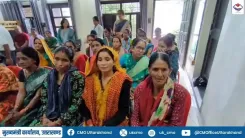
The headline bill proposes extending the eligibility cutoff date for slum rehabilitation from 2015 to 1 January 2025 — a decade-long leap that the government says will bring approximately 99% of eligible families living in Delhi's jhuggi (informal settlements) within reach of permanent housing. The old 2015 cutoff had long been criticised for leaving out hundreds of thousands of families who settled in the years after that date. Indian states have periodically revised such cutoffs to widen the net of housing access, but a ten-year extension in a single legislative move is a significant escalation of that trend.
If passed, the bill would make pucca — meaning permanent, structurally sound — homes accessible to a near-universal share of Delhi's slum population, a constituency that has historically been caught between electoral promises and bureaucratic eligibility walls.
Right to Service Act: Officials on the Clock
The second proposal is a Right to Service Act that would legally mandate time-bound delivery of government services to every Delhi resident. The critical edge: officials who fail to deliver within prescribed timelines would face penalties and fines. Several Indian states have adopted similar right-to-service frameworks over the past decade, with mixed enforcement records. Delhi's version, as proposed, puts financial consequences directly on the responsible official — a design choice aimed at closing the accountability gap that has blunted similar laws elsewhere.
For ordinary residents navigating everything from ration card renewals to property documents, the law would convert a bureaucratic courtesy into a legal entitlement.
Bed & Breakfast Scheme Scrapped for a New Safety Framework
The third item is a proposal to abolish the existing Bed & Breakfast Scheme and replace it with a new regulatory framework better suited to Delhi's current urban safety and hospitality needs. The government framed the move as strengthening both citizen security and administrative order — signalling that the replacement system will carry tighter safety standards than the outgoing scheme.
Regulatory overhauls of short-stay accommodation are increasingly common in major Indian cities as urban tourism grows and informal hospitality arrangements multiply. The specifics of the replacement framework are yet to be detailed publicly.
All three proposals now move toward legislative scrutiny and a vote. The real test will be in the passage timelines and, crucially, the implementation machinery built around them — particularly for the slum rehabilitation cutoff, where the gap between eligibility on paper and keys in hand has historically been wide. Delhi's most vulnerable residents are watching this session closely.
Point of View
Targeting constituencies — slum dwellers, service-seeking middle-class residents, and urban tourists — that cut across income lines. Extending the slum cutoff by a full decade in one move is politically bold but administratively complex; the delivery machinery for rehabilitation has historically lagged far behind legislative intent in Delhi. The Right to Service Act's penalty mechanism is the most structurally significant element: if enforced, it shifts the burden of bureaucratic failure from the citizen to the official, a reversal of the status quo. Whether Delhi builds the institutional muscle to make that reversal real is the question this session cannot answer.
NationPress
7 Aug 2026
Frequently Asked Questions
What is the new slum rehabilitation cutoff date proposed in Delhi?
The proposed bill seeks to extend the eligibility cutoff for slum rehabilitation benefits from 2015 to 1 January 2025 , making approximately 99% of eligible slum families in Delhi entitled to permanent housing.
What is the Right to Service Act proposed for Delhi?
The Right to Service Act would legally require government officials to deliver services within fixed timeframes. Officials who fail to meet deadlines would face penalties and fines under the proposed law.
Why is Delhi scrapping the Bed & Breakfast Scheme?
The Delhi government has proposed abolishing the existing Bed & Breakfast Scheme and replacing it with a new regulatory framework designed to better address urban safety and administrative requirements in the city.
When were these bills tabled in the Delhi Assembly?
Chief Minister Rekha Gupta tabled all three bills and proposals during the Delhi Legislative Assembly's Monsoon Session on 7 August 2026 .
How many slum families in Delhi will benefit from the new rehabilitation cutoff?
The government states that extending the cutoff to January 2025 will cover approximately 99% of eligible families currently living in Delhi's informal settlements, or jhuggis .