CM Rekha Gupta to add 100 e-buses, launch Delhi–Hapur route
Synopsis
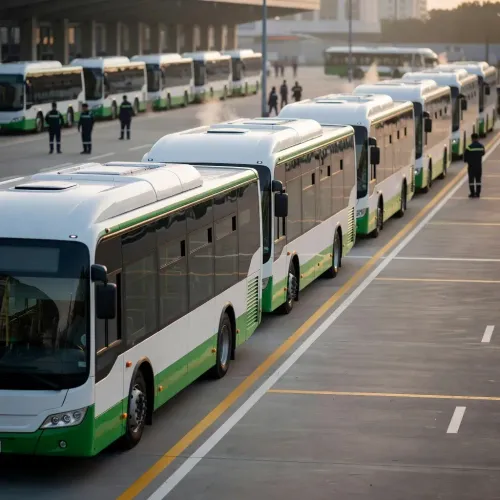
Delhi CM Rekha Gupta announces the induction of 100 new electric buses into Delhi's fleet on 20 November 2026 at Kashmere Gate ISBT, alongside the inaugural run of the Delhi–Hapur Interstate Electric Bus Service, extending zero-emission public transport across state lines.
Key Takeaways
100 new electric buses will be added to Delhi's fleet on 20 November 2026 at 10:30 AM .
The inauguration will take place at Kashmere Gate ISBT , Delhi's main inter-state bus terminal.
The Delhi–Hapur Interstate Electric Bus Service will be launched simultaneously, linking Delhi with Hapur, Uttar Pradesh .
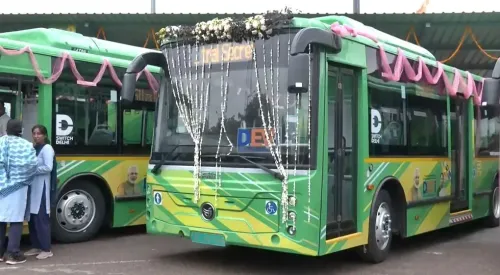
Delhi operates what it describes as India's largest electric bus fleet , built through successive procurement phases.
The expansion is rooted in the Delhi Electric Vehicle Policy (2019) , designed to cut vehicular emissions in the capital.
The interstate corridor could serve as a model for future electric bus routes to other NCR satellite cities.
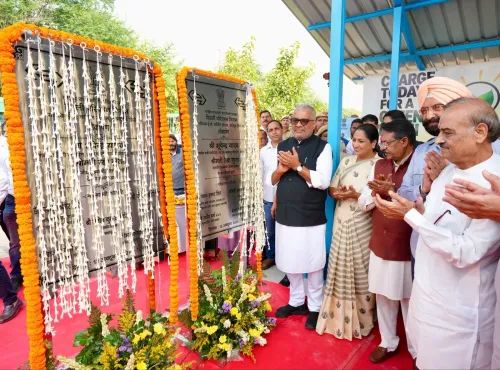
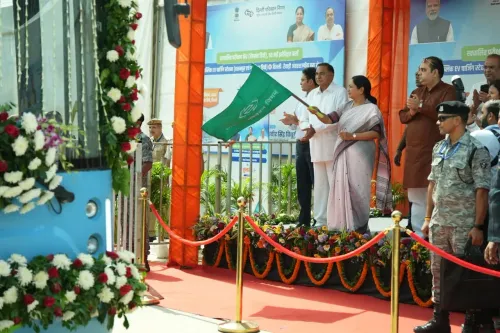
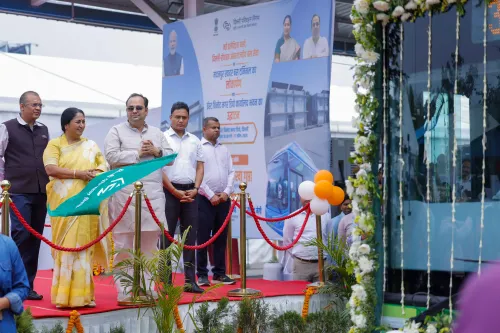
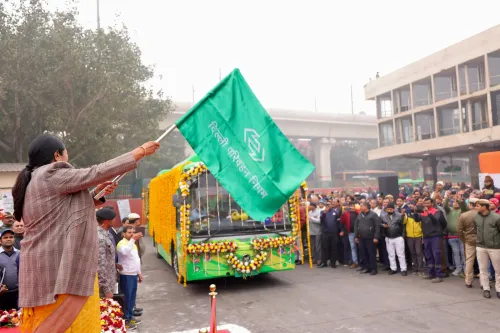
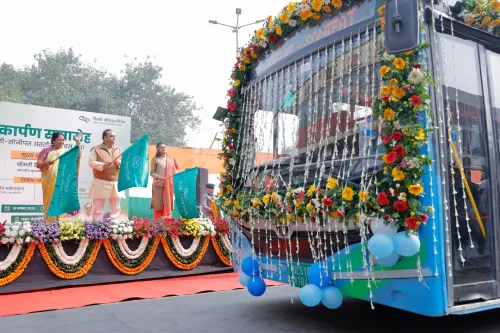
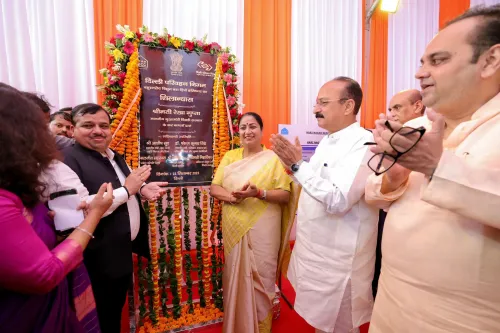
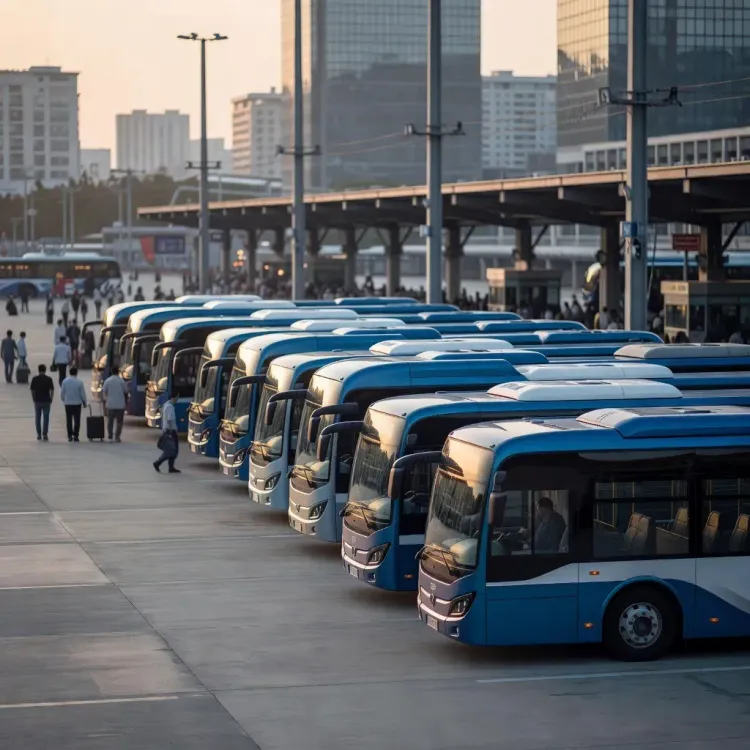
Delhi's electric bus fleet is about to get bigger. Delhi Chief Minister Rekha Gupta announced on Thursday, 19 November 2026 that 100 new electric buses will be inducted into the capital's fleet on 20 November at 10:30 AM at Kashmere Gate ISBT — and the event carries a first: the simultaneous launch of the Delhi–Hapur Interstate Electric Bus Service, taking zero-emission public transport across state lines for the first time on this corridor.
100 buses, one interstate first
The induction is not just a numbers exercise. The Delhi–Hapur interstate route marks a step beyond the city's boundaries — connecting Delhi commuters with Hapur in Uttar Pradesh via electric buses, a move that requires coordination between two state transport authorities. Chief Minister Gupta framed the expansion in direct terms: 'Every new electric bus brings us closer to cleaner air, less pollution and better journeys for Delhiites.'
Kashmere Gate ISBT, the capital's busiest inter-state bus terminal, is the symbolic and logistical anchor for the launch — a fitting venue for an event that is as much about Delhi's internal network as it is about its links to neighbouring states.
Delhi's electric fleet and the EV policy behind it
Delhi has built what it describes as India's largest electric bus fleet through multiple procurement phases. The push traces back to the Delhi Electric Vehicle Policy, notified in 2019, which set the framework for scaling zero-emission mobility across the capital. Each subsequent phase of bus induction has been positioned as a response to Delhi's persistent air-quality challenges, where vehicular emissions remain a major contributor to pollution.
The progressive expansion — phase by phase, route by route — reflects a deliberate strategy: replace diesel buses at a pace that the charging infrastructure and operational capacity can absorb. The addition of an interstate electric corridor suggests that strategy is now maturing beyond city limits.
What the Delhi–Hapur corridor signals
Interstate electric bus services are operationally more complex than intracity routes — they require inter-state permit agreements, compatible charging stops along the corridor, and revenue-sharing frameworks between transport corporations. The Delhi–Hapur launch, if it runs smoothly, could serve as a template for similar electric corridors linking Delhi with Noida, Gurgaon, Faridabad, or Ghaziabad — the full ring of NCR satellite cities that feed millions of daily commuters into the capital.
For now, the clock is set: 20 November, 10:30 AM, Kashmere Gate. One hundred buses, one new route, and a signal that Delhi's electric mobility ambitions are no longer stopping at the city limits.
Point of View
Moving from intracity consolidation to cross-border expansion. The Delhi–Hapur route is a soft-power play as much as a transport decision: a BJP-ruled Delhi extending a green corridor into BJP-ruled Uttar Pradesh is a low-friction political win. If the interstate model proves replicable, it could reshape the daily commute for the millions who live in the NCR satellite belt but work in Delhi — a voter base neither state can afford to ignore. The real test, however, will be operational consistency: electric bus networks live or die on charging infrastructure and uptime, and that story will unfold well after the inauguration cameras pack up.
NationPress
19 Nov 2026
Frequently Asked Questions
When and where is the Delhi electric bus inauguration on 20 November 2026?
The inauguration is scheduled for 20 November 2026 at 10:30 AM at Kashmere Gate ISBT in Delhi, where CM Rekha Gupta will induct 100 new electric buses and launch the Delhi–Hapur interstate service.
What is the Delhi–Hapur Interstate Electric Bus Service?
It is a new electric bus route connecting Delhi with Hapur in Uttar Pradesh , being launched on 20 November 2026 as part of Delhi's expanding zero-emission transport network.
How many electric buses does Delhi have?
Delhi operates what is described as India's largest electric bus fleet , expanded through multiple procurement phases; the 20 November event adds 100 more buses to that fleet.
What is the Delhi Electric Vehicle Policy?
The Delhi Electric Vehicle Policy was notified in 2019 to promote electric mobility across the capital and reduce vehicular emissions, providing the framework for the city's growing electric bus network.
Who is inaugurating the new electric buses in Delhi?
Delhi Chief Minister Rekha Gupta , a BJP leader, is set to inaugurate the 100 new electric buses and the Delhi–Hapur interstate electric bus service on 20 November 2026 .