CM Rio Urges Nagaland to Join Census 2027 Drive
Synopsis
Nagaland Chief Minister Neiphiu Rio has called for active public participation in the upcoming Census of India, warning that accurate data is vital for fair representation and development planning in the state. The appeal comes as India prepares its first national headcount since 2011.
Key Takeaways
Nagaland CM Neiphiu Rio publicly urged citizens on 29 May 2026 to participate in the upcoming Census of India .
India has not conducted a national census since 2011 ; the 2021 exercise was postponed due to the COVID-19 pandemic .
The census is governed by the Census Act, 1948 and managed by the Registrar General of India .
Nagaland has historically faced enumeration challenges due to remote terrain, tribal customary laws, and past disputes over population counts.
Accurate census data directly affects Nagaland's share of central funds, delimitation outcomes, and welfare scheme targeting.
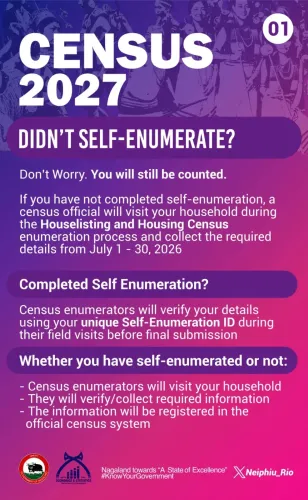
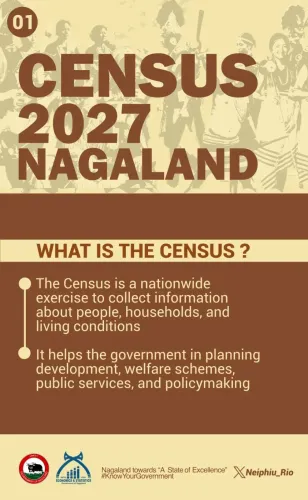
Rio's appeal is accompanied by four images, indicating a structured public-service announcement campaign rather than a casual post.
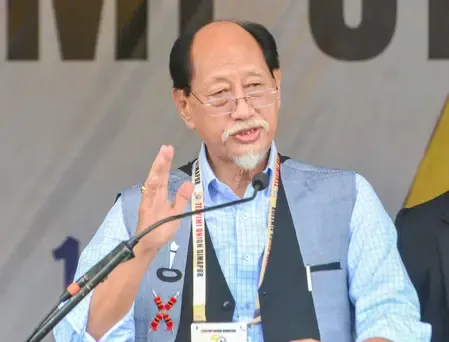
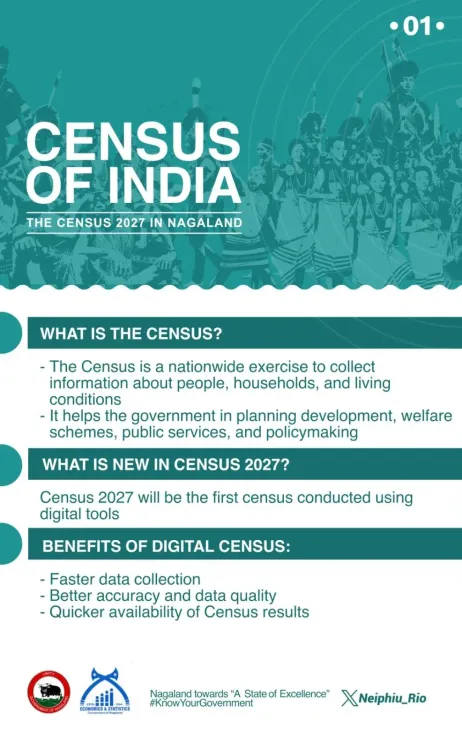
Nagaland Chief Minister Neiphiu Rio on Friday, 29 May 2026, called on residents of the state to actively participate in the upcoming Census of India, stressing that accurate enumeration is critical for fair representation and development planning. Rio made the appeal through a post on X, aligning Nagaland with a broader national mobilisation ahead of the scheduled census exercise.
Context
Rio urged citizens to 'support a Census that reflects our people and progress,' framing public participation as a civic duty tied directly to the state's development outcomes. The post, tagged #PSA and #OurCensus, was accompanied by four images, signalling a coordinated public-awareness push rather than a routine social media update. The Chief Minister's appeal comes as India prepares to conduct its first national headcount since 2011, a gap of over fifteen years driven largely by the COVID-19 pandemic.
Policy Backdrop
India's decennial census is governed by the Census Act, 1948, with operations managed by the Registrar General of India. A digitally-enabled census was originally planned for 2021 but was postponed when the pandemic disrupted preparations, leaving the country without updated population data for an extended period. The delay has had cascading effects on delimitation exercises, Finance Commission fund-allocation formulas, and the targeting of welfare schemes across states.
Nagaland occupies a distinct position in any national census exercise. The northeastern state, which holds special protections under Article 371A of the Constitution, has a predominantly tribal demographic and has historically seen disputes over the accuracy of population counts. Remote terrain, customary governance structures, and uneven administrative reach have made enumeration particularly challenging in the region.
Stakeholders and Impact
Accurate census data carries outsized importance for Nagaland's tribal communities, whose access to central funds, reserved seats, and welfare entitlements is directly tied to official population figures. State development planners rely on headcount data to design infrastructure, health, and education programmes calibrated to actual ground realities. An undercount — a recurring concern in past cycles — risks shortchanging the state in resource allocation for years to come.
The national emphasis on digital self-enumeration tools and grassroots outreach is expected to be tested most rigorously in states like Nagaland, where connectivity and literacy levels vary sharply across districts. Rio's early and public endorsement of the exercise is therefore significant as a signal to local administrators and community leaders to cooperate with enumerators.
What's Next
The immediate milestones to watch are the rollout of the house-listing phase and the subsequent population enumeration phase in Nagaland, alongside the training of enumerators across the state's districts. State-level coordination between the Nagaland government and the Registrar General of India on data-collection protocols will be central to the exercise's credibility. How effectively the administration converts Rio's public appeal into on-ground participation — particularly in remote villages — will determine whether the census delivers the 'accurate data and fair representation' the Chief Minister has called for.
Point of View
He positions the state government as a cooperative partner with the Centre at a moment when northeastern states are scrutinised for administrative capacity. The post's PSA framing suggests the state is preparing coordinated outreach rather than leaving mobilisation to the Registrar General alone. For a state with a history of contested headcounts, an early, visible push from the Chief Minister could materially improve enumeration coverage and, by extension, Nagaland's claim on centrally allocated resources. It also reflects a broader pattern of NDPP-led governance seeking to demonstrate institutional normalcy and development-orientation in the region.
NationPress
13 Oct 2026
Frequently Asked Questions
When is the Census of India 2027 being conducted?
India is preparing for a national census expected around 2027, its first since 2011 after the originally planned 2021 census was postponed due to the COVID-19 pandemic. Exact phase-wise dates for Nagaland are subject to the Registrar General of India's schedule.
Why has India not had a census since 2011?
The census planned for 2021 was delayed by the COVID-19 pandemic, which disrupted enumeration preparations and field operations. The gap of over fifteen years is the longest in India's post-independence census history.
Why is the census important for Nagaland?
Nagaland's share of central government funds, delimitation of constituencies, and welfare scheme allocations are all tied to official population figures. Accurate enumeration is especially critical given past disputes over headcounts in the state's tribal and remote areas.
What is Article 371A and how does it affect Nagaland?
Article 371A of the Indian Constitution grants Nagaland special protections, particularly for customary Naga laws and practices. While it does not exempt the state from census operations, it shapes the administrative and social context in which enumeration is carried out.
What did CM Neiphiu Rio say about the census?
Chief Minister Rio called on Nagaland residents to actively support the census, stating that accurate data, fair representation, and informed planning for the state's development depend on public participation. He described the exercise as essential for reflecting 'our people and progress.'