CM Rio Backs MDSC as Foundation of Nagaland Sports Future
Synopsis
Nagaland Chief Minister Neiphiu Rio on 24 July 2026 described the MDSC as 'an investment in our youth and a symbol of hope,' calling for sustained collaboration to build a sports ecosystem that identifies talent and nurtures excellence across the state.
Key Takeaways
CM Neiphiu Rio publicly backed the MDSC as the foundation of sporting excellence in Nagaland on 24 July 2026 .
Rio called for a sports ecosystem focused on talent identification, nurturing excellence, and creating opportunities for youth.
The MDSC was described as 'more than a sports complex' — framed as a social investment and symbol of hope.
The push aligns with the Government of India's Khelo India scheme, which has prioritised sports infrastructure in Northeastern states since 2017 .
Nagaland youth and aspiring athletes stand as the primary beneficiaries, with the complex potentially reducing the need to relocate for training.
State budget allocations and Khelo India Games participation timelines are key indicators to watch in coming months.
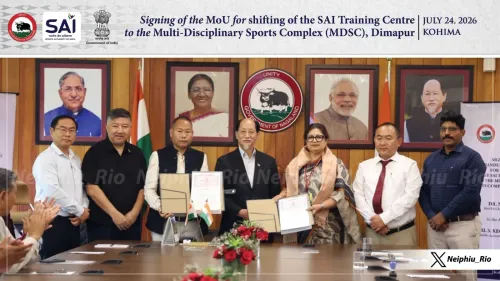
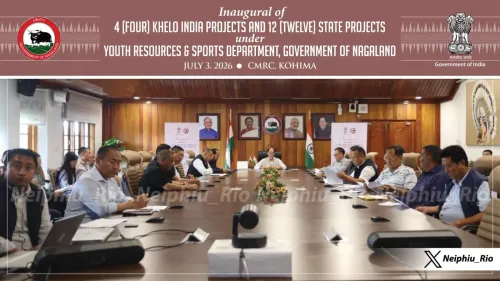
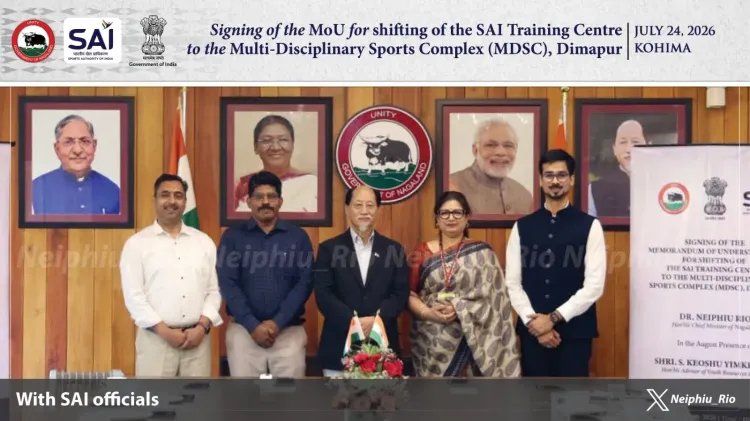
Nagaland Chief Minister Neiphiu Rio on Friday, 24 July 2026, called for continued collaboration to build a sports ecosystem in the state, describing the MDSC (Multi-Disciplinary Sports Complex) as 'more than a sports complex' and 'an investment in our youth, a symbol of hope, and the foundation of sporting excellence in Nagaland.'
Context
Chief Minister Rio made the remarks in a reply post on X, reinforcing his government's commitment to sports infrastructure as a pillar of youth policy. He urged stakeholders to 'continue working together to build a sports ecosystem that identifies talent, nurtures excellence, and creates opportunities,' signalling that the MDSC is viewed as a long-term institutional anchor rather than a standalone facility.
The statement arrives at a moment when Nagaland's government has been increasingly vocal about channelling youth energy into competitive sport, a priority that has gained traction across India's Northeastern states in recent years.
Policy Backdrop
The broader push aligns with the Government of India's Khelo India scheme, launched in 2017, which funds grassroots sports infrastructure and talent identification programmes across states, with special emphasis on the Northeast. Nagaland, with its predominantly tribal population and strong community culture around athletics and team sports, has been seen as a natural beneficiary of such national initiatives.
Chief Minister Rio, who has led Nagaland across multiple terms since 2003 under the Nationalist Democratic Progressive Party (NDPP), has consistently positioned sports infrastructure alongside road and digital connectivity as markers of state development. The MDSC fits within that pattern of pairing physical infrastructure with social objectives.
Stakeholders and Impact
The primary beneficiaries are Nagaland's young athletes and aspiring sportspersons who currently have limited access to professional-grade training facilities within the state. A dedicated multi-disciplinary complex could reduce the need for talented youth to relocate to larger cities for competitive exposure.
State governments across the Northeast have increasingly used sports infrastructure as a tool to address limited economic opportunities, and Nagaland's approach mirrors similar efforts in neighbouring states. Community interest in sports — from football to athletics — gives such investments a ready base of participants and spectators, amplifying their social impact.
What's Next
Attention will now turn to Nagaland's next state budget session, where allocations for sports facilities are expected to reflect the government's stated ambitions. Participation timelines for national competitions such as the Khelo India Games may also be shaped by the pace of the MDSC's development.
If the complex delivers on its promise as a talent-identification hub, it could position Nagaland as a model for sports-led youth development in India's Northeast, with implications for how central and state funds are directed in future budgetary cycles.
Point of View
Rio is also quietly aligning state policy with the Centre's Khelo India framework, a move that could ease access to federal funding and visibility. The statement's collaborative tone — 'let us continue working together' — suggests the project involves multiple institutional actors, and Rio is positioning himself as the convening force. If the MDSC delivers tangible outcomes, it could become a template for how smaller Northeastern states leverage sports infrastructure to assert development credentials on a national stage.
NationPress
24 Jul 2026
Frequently Asked Questions
What is the MDSC in Nagaland?
The MDSC, or Multi-Disciplinary Sports Complex, is a sports infrastructure project in Nagaland that Chief Minister Neiphiu Rio has described as a hub for talent identification and sporting excellence, though its exact location and funding details have not been officially confirmed in the public domain.
What did Nagaland CM Neiphiu Rio say about sports on 24 July 2026?
CM Rio called for continued collaboration to build a sports ecosystem in Nagaland, describing the MDSC as 'more than a sports complex' and 'an investment in our youth, a symbol of hope, and the foundation of sporting excellence in Nagaland.'
How does the MDSC relate to the Khelo India scheme?
The MDSC aligns with the Government of India's Khelo India scheme, launched in 2017, which funds grassroots sports infrastructure and talent identification across states, with a specific focus on Northeastern India.
Who is Neiphiu Rio and what is his party?
Neiphiu Rio is the Chief Minister of Nagaland and the leader of the Nationalist Democratic Progressive Party (NDPP). He has held the Chief Minister's post across multiple terms since 2003 and has prioritised youth and infrastructure development.
Why is sports infrastructure important for Nagaland's youth?
Nagaland's youth face limited local economic and competitive opportunities, and a dedicated sports complex could provide professional-grade training facilities within the state, reducing the need for talented athletes to relocate to larger cities.