CM Rio Calls on Nagaland Weavers to Tap Artisan Welfare Scheme
Synopsis
Nagaland Chief Minister Neiphiu Rio has called on eligible weavers and a broad coalition of government departments, cooperatives, SHGs, and village institutions to maximise uptake of an artisan welfare scheme, spotlighting last-mile delivery as the critical challenge for tribal handloom communities.
Key Takeaways
CM Neiphiu Rio publicly urged all eligible weavers in Nagaland to enrol in an artisan welfare initiative.
He specifically named government departments, cooperative societies, Self Help Groups , village institutions, and community leaders as delivery partners.
The appeal targets the last-mile gap between scheme availability and actual artisan access in tribal areas.
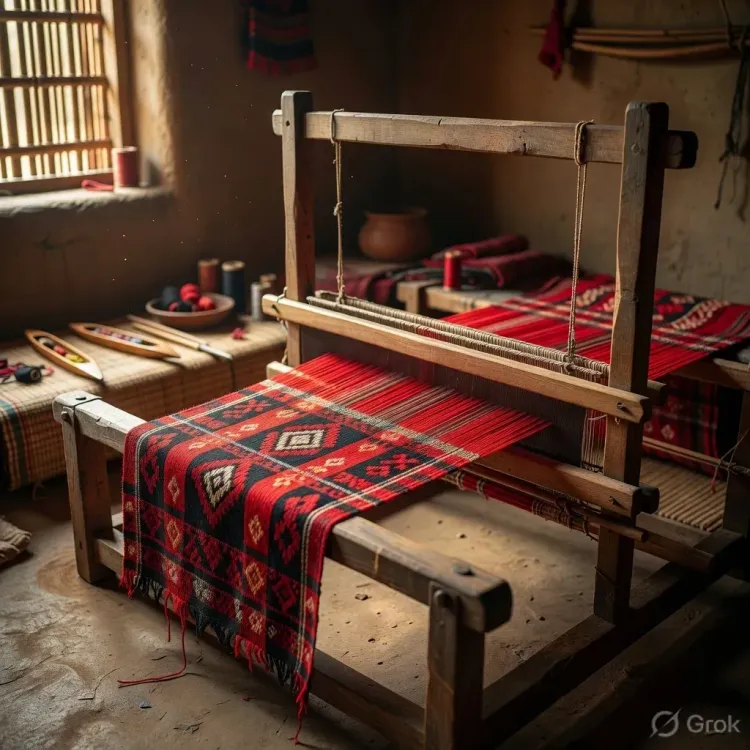
Nagaland's handloom traditions are central to tribal identity and rural livelihoods across the state.
Coordination among multiple institutions is identified as the key to ensuring 'every deserving artisan' benefits.
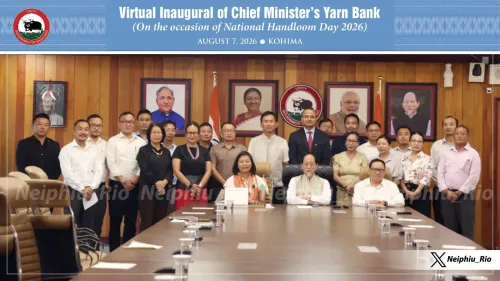
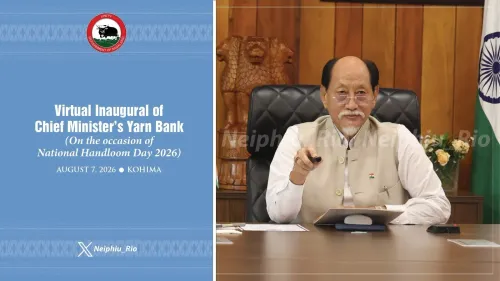
Nagaland Chief Minister Neiphiu Rio has issued a direct appeal to the state's handloom community, urging every eligible weaver to step forward and claim the benefits of a welfare initiative designed to support artisan livelihoods across the state's tribal regions.
In his post, Rio called on 'all eligible weavers to come forward and make full use of this initiative,' while also pressing government departments, cooperative societies, self-help groups, village institutions, and community leaders to coordinate and ensure 'the benefits of this Scheme reach every deserving artisan.'
A call that travels from Kohima to the village loom
The appeal is notable for who it addresses — not just weavers, but the entire chain of delivery: state departments, cooperatives, Self Help Groups (SHGs), and village-level bodies. In Nagaland, where handloom weaving is both a livelihood and a marker of tribal identity, the last-mile gap between a welfare scheme and a rural artisan has historically been wide. Rio's message is essentially a push to close that gap. Nagaland's tribal communities have long practised distinctive weaving traditions, and state administrations have periodically sought to link these crafts with formal welfare outreach. The involvement of SHGs and cooperative societies is a recognised model across Northeast India for reaching artisans in remote villages — but coordination failures often mean enrollment lags behind eligibility.Why the delivery chain matters as much as the scheme itself
By explicitly naming departments, cooperatives, SHGs, and community leaders in a single breath, Rio is signalling that the bottleneck is not funding or policy — it is mobilisation. The Chief Minister's public call creates accountability: each named institution now has a visible mandate to act. The real test will be in enrollment numbers and whether coordination meetings between these bodies translate into weavers actually accessing benefits on the ground.Point of View
Cooperatives, SHGs, village bodies — in a single post, he shifts the burden of proof onto institutions rather than weavers. This fits a broader pattern of state governments in the Northeast using social media to signal intent on tribal welfare, though the gap between signal and enrollment remains the enduring challenge. The unnamed scheme is a notable gap: without public specifics, monitoring uptake will depend entirely on departmental reporting.
NationPress
7 Aug 2026
Frequently Asked Questions
What scheme is Nagaland CM Neiphiu Rio promoting for weavers?
Rio called on eligible weavers to access an artisan welfare initiative, though the specific scheme was not named in his post. It is linked to handloom and artisan livelihood support in Nagaland.
Who are the Self Help Groups Rio mentioned in his appeal?
Self Help Groups (SHGs) are community organisations active across rural India that support artisan and weaving livelihoods, often acting as the last-mile link between government schemes and individual beneficiaries.
Why is last-mile delivery a challenge for weaver welfare schemes in Nagaland?
Nagaland's tribal communities are spread across remote villages, and coordination gaps between government departments, cooperatives, and village bodies have historically meant eligible artisans miss out on scheme benefits.
What role does handloom weaving play in Nagaland's tribal communities?
Handloom weaving is both a significant rural livelihood and a marker of tribal cultural identity in Nagaland, making artisan welfare schemes particularly important for the state's communities.
How can eligible weavers in Nagaland access the scheme?
Rio urged weavers to come forward directly and encouraged cooperative societies, SHGs, and village institutions to guide and support artisans through the enrollment process.