CM Rio Extends Tuluni Greetings to Sumi Community

Synopsis
Nagaland Chief Minister Neiphiu Rio on July 7, 2026, greeted the Sumi Naga community on Tuluni, their annual harvest festival, calling for unity, prosperity, and agricultural abundance — a gesture consistent with the state's long-standing policy of cultural outreach across its 16-plus tribes.
Key Takeaways
Chief Minister Neiphiu Rio posted Tuluni greetings to the Sumi Naga community on July 7, 2026 .
Tuluni is the annual harvest festival of the Sumi tribe , observed in July and centred on agricultural rituals and community bonding.
The Sumi are primarily concentrated in Zunheboto district of Nagaland and are one of the state's major tribal groups.
Nagaland governments have promoted tribal festivals through cultural and tourism departments since the 1980s to foster inter-tribal harmony.
The outreach complements the broader framework of inclusive cultural recognition embedded in the Naga peace process since the 2015 Framework Agreement .
State support for harvest festivals is increasingly linked to agri-tourism and rural development goals, with the Hornbill Festival serving as the flagship model.
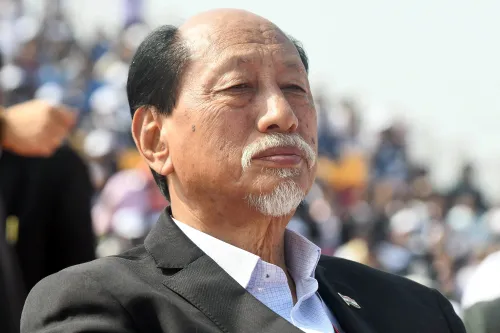
Nagaland Chief Minister Neiphiu Rio on Tuesday, July 7, 2026, extended warm greetings to the Sumi Naga community on the occasion of Tuluni, the tribe's cherished annual harvest festival, invoking blessings of unity, prosperity, and agricultural abundance.
Context
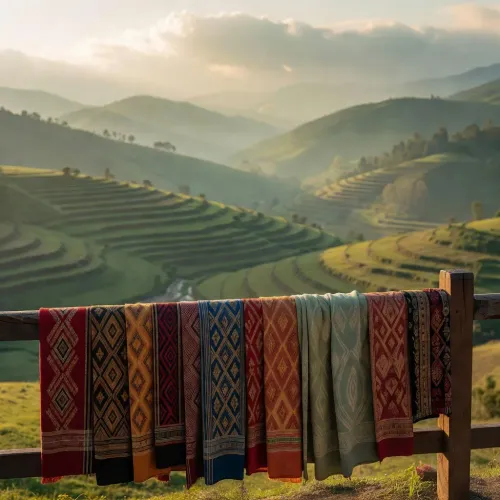
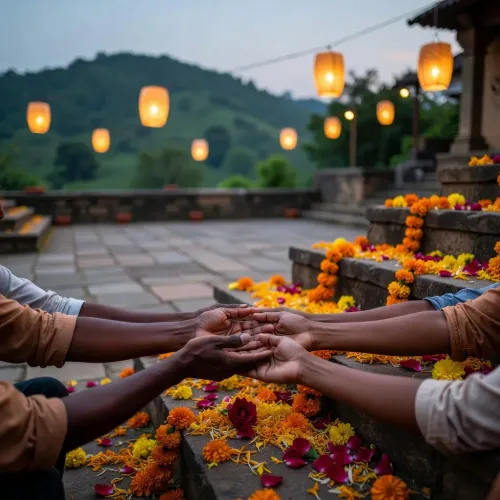
Tuluni is the most significant festival of the Sumi Naga tribe, observed every July and centred on rituals that celebrate the agricultural cycle and reinforce community bonds. The festival is marked by traditional songs, rice-beer offerings, and communal feasts that draw Sumi families across Zunheboto district and beyond. Chief Minister Rio, in his post on X, wrote: 'May this cherished festival strengthen the bonds of unity, usher in prosperity, and may the fields be blessed with abundance and a bountiful harvest.'
The Sumi, also referred to historically as Sema, are one of the major Naga ethnic groups concentrated primarily in Zunheboto district of Nagaland. Their distinct language, customs, and agrarian traditions form a vital thread in the broader tapestry of the state's multi-tribal identity.
Policy Backdrop
Nagaland, formed in 1963 and home to more than 16 recognised Naga tribes, has long used cultural festivals as instruments of inter-tribal cohesion. State governments have promoted tribal festivals, including Tuluni, through cultural and tourism departments since the 1980s, weaving them into agri-tourism and rural development frameworks.
The 2015 Framework Agreement between the Government of India and the NSCN (IM) placed inclusive cultural recognition at the heart of the Naga peace process, and successive state administrations have reinforced this by according official visibility to each tribe's distinct heritage. Festival greetings from the Chief Minister's office carry both symbolic and administrative weight in this context.
Stakeholders and Impact
The Sumi community constitutes one of the numerically significant tribes in Nagaland, with a diaspora spread across the state's urban centres and neighbouring regions. Chief Minister Rio's outreach directly addresses this constituency, reaffirming the state government's commitment to cultural equity among tribes that have at times experienced factional tensions rooted in historical rivalries.
Broader Naga civil society, tribal hohos (apex tribal bodies), and cultural organisations also watch such gestures closely as indicators of the ruling dispensation's sensitivity toward individual tribal identities within a unified Nagaland framework. Harvest festivals like Tuluni additionally feed into the state's growing agri-tourism calendar, attracting visitors and supporting rural livelihoods.
What's Next
Attention will now turn to whether the state government follows symbolic outreach with substantive support — such as infrastructure for festival grounds in Zunheboto, agricultural scheme linkages, or inclusion of Tuluni in the official tourism calendar ahead of the flagship Hornbill Festival later in 2026. The Hornbill Festival, held annually in December at Kisama Heritage Village, has served as a model for blending tribal cultural expression with economic opportunity, and smaller harvest festivals are increasingly being positioned as feeder events to that larger showcase.
As Nagaland continues to navigate the complex terrain of tribal politics and the ongoing peace process, consistent and visible recognition of each community's cultural calendar remains a low-cost, high-visibility governance tool for Chief Minister Rio's administration.
Point of View
Each with distinct cultural calendars, the Chief Minister's public acknowledgement of individual festivals signals parity of esteem — a soft-power complement to harder governance levers. This practice has become more consequential in the context of the unresolved Naga political settlement, where inter-tribal cohesion is both a social good and a political necessity. The consistency of such gestures under Rio's administration reflects an understanding that in Nagaland, cultural diplomacy and electoral arithmetic are rarely separable.
NationPress
7 Jul 2026
Frequently Asked Questions
What is Tuluni festival in Nagaland?
Tuluni is the most important annual festival of the Sumi Naga tribe of Nagaland, celebrated in July to mark the agricultural season with rituals, traditional songs, rice-beer offerings, and communal feasts focused on harvest abundance and community unity.
Who are the Sumi Naga tribe?
The Sumi, historically also called Sema, are one of the major Naga ethnic groups in Nagaland, primarily inhabiting Zunheboto district, with a distinct language, customs, and agrarian traditions.
Why did Nagaland CM Neiphiu Rio wish Tuluni greetings?
Chief Minister Neiphiu Rio extended Tuluni greetings on July 7, 2026, as part of the Nagaland government's consistent practice of publicly recognising each tribe's cultural festivals to promote inter-tribal harmony and social cohesion.
How does Nagaland government support tribal festivals like Tuluni?
Nagaland's cultural and tourism departments have promoted tribal festivals including Tuluni since the 1980s, integrating them into agri-tourism and rural development frameworks and linking smaller harvest festivals to the state's flagship Hornbill Festival calendar.
What is the significance of Tuluni for the Sumi community?
Tuluni is the Sumi community's most cherished festival, reinforcing agricultural traditions, community bonds, and cultural identity — making official recognition by the Chief Minister a gesture of both cultural respect and political outreach.