CM Rio flags NE terrain realities at EAP seminar
Synopsis
Nagaland CM Neiphiu Rio, at a Meghalaya-hosted seminar on Externally Aided Projects, thanked GoI ministries for support and urged that EAP frameworks account for the North East's hilly terrain, dispersed settlements, fragile ecosystems, customary land systems, and limited institutional capacity.
Key Takeaways
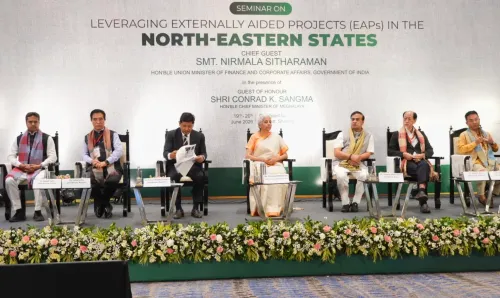
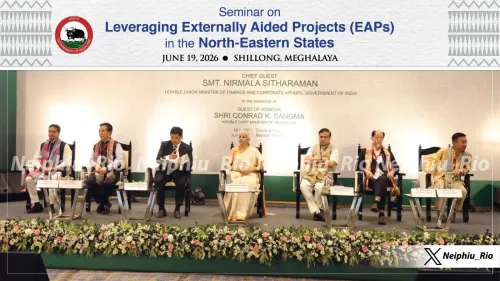
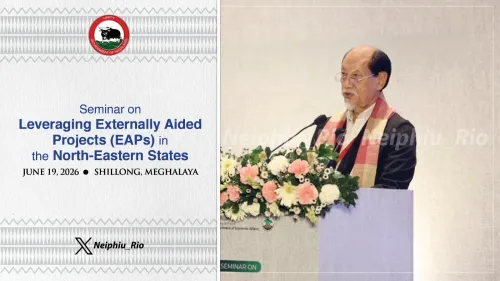
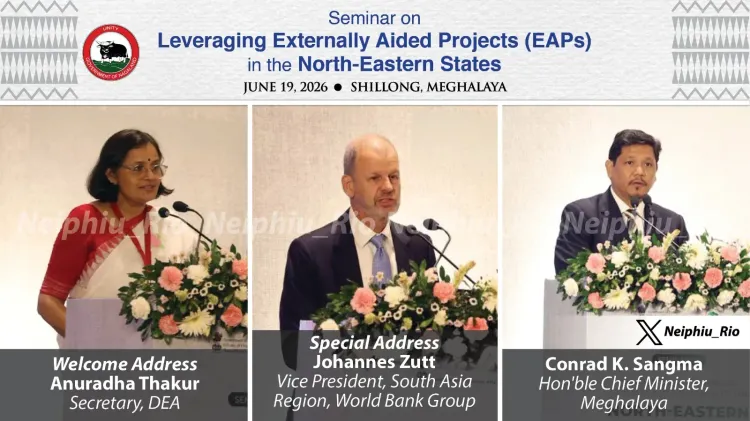
Nagaland CM Neiphiu Rio spoke at a seminar on Externally Aided Projects (EAPs) hosted by the Meghalaya Government on 19 June 2026 .
Rio thanked various Government of India ministries for their support in facilitating EAPs for the North Eastern region .
He highlighted five structural constraints: hilly terrain, dispersed settlements, fragile ecosystems, customary land systems, and limited capacity .
Externally Aided Projects are financed by multilateral bodies such as the World Bank and Asian Development Bank , coordinated through DoNER and the Ministry of Finance .
The Act East Policy (2014) and the North Eastern Council (est.
1971) form the broader policy architecture within which such seminars operate.
Follow-up action to watch: revised DoNER guidelines and fresh state EAP proposals to the Ministry of Finance .
Nagaland Chief Minister Neiphiu Rio on Friday, 19 June 2026, thanked several Union Government ministries for their support and the Meghalaya Government for hosting a seminar on Externally Aided Projects (EAPs), while calling on participants to recognise the structural constraints facing North Eastern states in absorbing and implementing such projects.
Context
Speaking at the seminar hosted by Meghalaya, CM Rio underscored that any discussion on EAPs must account for the ground realities of the region — specifically its hilly terrain, dispersed settlements, fragile ecosystems, customary land systems, and limited institutional capacity. These factors, he noted, distinguish the North East from the rest of the country in ways that standard project frameworks often fail to accommodate.
Rio also extended thanks to the various Government of India (GoI) ministries whose coordination underpins the flow of externally aided funds to the region. The seminar brought together state-level representatives to deliberate on how multilateral financing can be better channelled into the eight North Eastern states.
Policy Backdrop
Externally Aided Projects are development initiatives financed by multilateral agencies such as the World Bank and the Asian Development Bank, routed through the Ministry of Finance and implemented by state governments. The Ministry of Development of North Eastern Region (DoNER) plays a key coordinating role in ensuring these projects align with the region's specific needs.
The Act East Policy, launched in 2014, gave fresh impetus to externally supported infrastructure investment across the North East, emphasising connectivity and economic integration. The North Eastern Council, constituted in 1971, continues to serve as the statutory body for coordinated planning among the region's states. Seminars of this kind represent a routine but important layer of intergovernmental coordination between state governments, DoNER, and central line ministries.
The constraints Rio highlighted — customary land tenure, ecological sensitivity, and thin administrative capacity — have been recurring themes in policy discussions on why EAP utilisation rates in the North East have historically lagged behind other regions.
Stakeholders and Impact
The primary stakeholders are the governments and tribal communities of the eight North Eastern states, who stand to benefit from better-designed and better-funded development projects. Customary land systems in particular pose a legal and logistical challenge: multilateral lenders typically require clear land titles as a precondition for project financing, a requirement that is difficult to fulfil under traditional community ownership norms.
Civil society groups and tribal bodies in Nagaland, Meghalaya, Mizoram, and neighbouring states have long argued that project norms need to be adapted rather than imposed uniformly. CM Rio's remarks lend political weight to this position at a forum that includes central ministry representatives.
What's Next
Attention will now turn to whether the seminar produces actionable recommendations — particularly revised operational guidelines from DoNER for EAP implementation in the North East, or fresh state-level project proposals submitted to the Ministry of Finance. The outcome of such intergovernmental deliberations typically shapes the pipeline of externally aided schemes for the region in the following fiscal cycle.
If Rio's call for region-specific EAP norms gains traction, it could mark a meaningful shift in how multilateral project conditionalities are negotiated for hilly, ecologically sensitive states across Northeast India.
Point of View
Collectively, against one-size-fits-all conditionalities attached to multilateral financing. By publicly thanking central ministries while simultaneously listing structural barriers, Rio is threading a diplomatic needle — acknowledging dependence on GoI coordination while pressing for institutional flexibility. This mirrors a broader pattern in which NE states use intergovernmental forums to build a documented record of region-specific demands, which can then be cited in negotiations with the Ministry of Finance and multilateral lenders. If DoNER responds with revised EAP guidelines, it would validate the utility of this quiet but persistent advocacy strategy.
NationPress
18 Sept 2026
Frequently Asked Questions
What are Externally Aided Projects in India?
Externally Aided Projects (EAPs) are development schemes financed by multilateral agencies such as the World Bank and Asian Development Bank, routed through India's Ministry of Finance and implemented by state governments, often for infrastructure, health, or education.
Why did Nagaland CM Neiphiu Rio speak at the Meghalaya seminar?
CM Rio participated in a seminar on EAPs hosted by the Meghalaya Government, where he thanked GoI ministries for their support and called for EAP frameworks to account for the North East's unique challenges, including hilly terrain and customary land systems.
What is the Act East Policy and how does it relate to the North East?
The Act East Policy, launched in 2014, prioritises connectivity and economic integration for India's North Eastern states, including by increasing the flow of externally aided infrastructure investment into the region.
What challenges do North Eastern states face in implementing EAPs?
The North Eastern states face hilly and difficult terrain, dispersed and remote settlements, ecologically fragile zones, customary community land ownership that complicates title requirements, and limited administrative capacity to design and execute complex externally funded projects.
What is DoNER and what role does it play in NE development?
The Ministry of Development of North Eastern Region (DoNER) coordinates central government support and externally funded schemes for infrastructure and welfare across the eight North Eastern states, acting as a bridge between state governments and central line ministries.