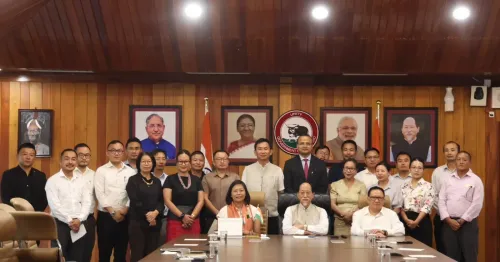
CM Rio spotlights Tele-MANAS mental health helpline for Nagaland
Synopsis
Nagaland Chief Minister Neiphiu Rio highlighted Tele-MANAS Nagaland on 15 October 2026, promoting the national tele-mental health helpline as an accessible, confidential counselling resource for residents — especially vital in a hilly state with limited specialist infrastructure.
Key Takeaways
Tele-MANAS was launched nationally in October 2022 by India's Ministry of Health and Family Welfare as part of the National Mental Health Programme.
The service provides round-the-clock, confidential counselling via helpline and can route callers to further specialist care.
Nagaland's challenging terrain and limited facility density make tele-based mental health delivery especially relevant for remote districts such as Mon, Tuensang, and Phek.
CM Neiphiu Rio framed the helpline under the #KnowYourGovernment initiative, emphasising both awareness and destigmatisation.
Integration with district mental health programmes and local organisations across Nagaland's 12 districts remains the key indicator of programme depth.
In a state where steep hills and sparse roads have long kept specialist care out of reach, Nagaland Chief Minister Neiphiu Rio on Thursday, 15 October 2026 turned his social media platform into a public-health bulletin — drawing attention to Tele-MANAS Nagaland, the state's round-the-clock tele-mental health helpline that links callers directly with trained counsellors.
What Tele-MANAS Nagaland actually offers
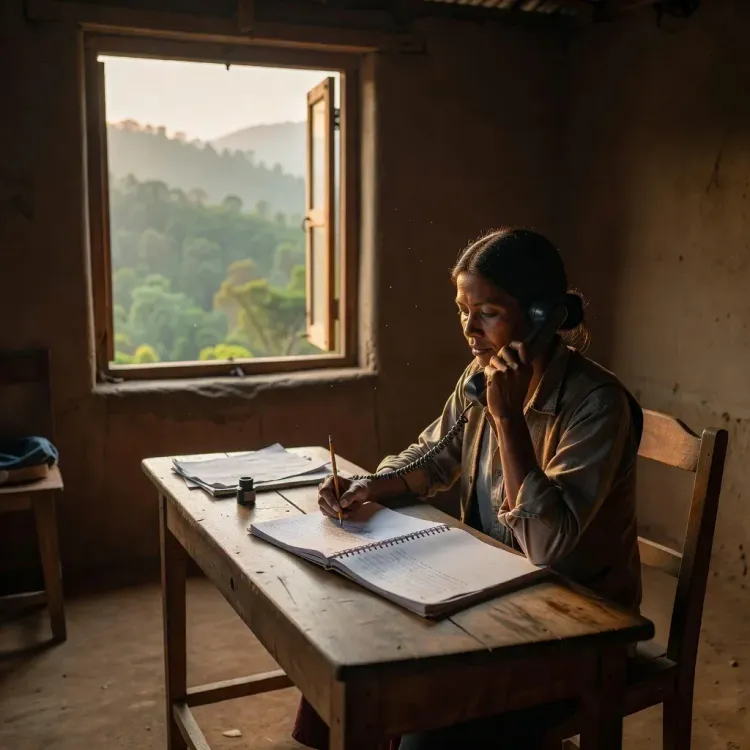
The service is part of Tele-MANAS — the National Tele Mental Health Assistance and Networking Service — launched nationally in October 2022 by India's Ministry of Health and Family Welfare as a flagship expansion of the National Mental Health Programme. It operates on a helpline model: a caller anywhere in the country can reach a counsellor without travelling to a clinic, without a referral, and without disclosing their identity publicly. CM Rio underlined all three of those pillars — accessible, confidential, and capable of routing users toward further specialist care if needed.
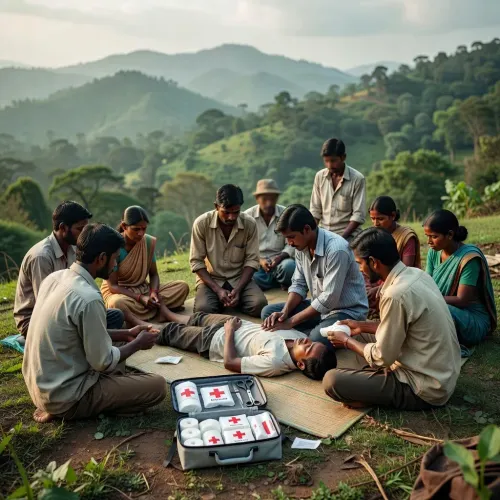
For Nagaland, a landlocked northeastern state of roughly 2.2 million people spread across deeply forested hill districts, those three words carry particular weight. Psychiatrists and clinical psychologists are heavily concentrated in Kohima and Dimapur; for someone in Mon, Tuensang, or Phek, a telephone line is not a convenience — it is often the only realistic first point of contact with mental health support.
Stigma, terrain, and the case for digital-first mental health
India's push into digital health infrastructure accelerated sharply after the COVID-19 pandemic exposed how quickly physical-facility models collapse under stress. Northeastern states were among the early targets for the Tele-MANAS rollout precisely because of a compounding problem: thin specialist density and persistent social stigma around seeking help. CM Rio's post addresses both levers — infrastructure ('connects callers with counsellors') and culture ('raising mental health awareness and encouraging people to seek help').
The chief minister framed the effort inside the #KnowYourGovernment initiative, positioning the helpline not as a crisis measure but as a standing civic resource — something residents should know exists before they need it.
Building the habit of asking for help
Public endorsement from a sitting chief minister matters in tight-knit communities where the lead of a senior figure can move social norms faster than a health-department circular. By naming the service, explaining its confidentiality, and stating plainly that seeking help is 'an important step towards building a more supportive society,' Rio is doing something the programme itself cannot: lending it political legitimacy and normalising the act of calling.
The integration of Tele-MANAS with district mental health programmes and local civil-society organisations across Nagaland's 12 districts will determine how many of those calls translate into sustained care. That is the next benchmark worth watching.
Point of View
His administration positions the helpline as governance delivery rather than welfare charity, which tends to land differently with first-generation users. For the broader Northeast, this signals that digital health infrastructure is now part of the political narrative around development — a significant shift from when such services were treated as urban-centric add-ons. The real test will be district-level uptake data and whether Tele-MANAS Nagaland is woven into frontline ASHA and ANM worker protocols.
NationPress
15 Oct 2026
Frequently Asked Questions
What is Tele-MANAS and how can I call it in Nagaland?
Tele-MANAS is India's national tele-mental health helpline launched in October 2022, offering free, confidential counselling round the clock. Callers in Nagaland can access it through the national helpline number to speak with a trained counsellor without needing a prior appointment or referral.
Is the Tele-MANAS helpline confidential?
Yes. The service is designed to be confidential — callers do not need to reveal their identity publicly, and sessions are handled by trained counsellors following privacy protocols.
Why is tele-mental health especially important for Nagaland?
Nagaland's hilly terrain and sparse road connectivity make it difficult for residents in remote districts to reach physical mental health facilities, which are concentrated mainly in Kohima and Dimapur. A telephone-based service removes the travel barrier entirely.
Who launched Tele-MANAS nationally?
The Union Ministry of Health and Family Welfare launched Tele-MANAS nationally in October 2022 as an expansion of the National Mental Health Programme to extend specialist support to underserved and remote populations.
What did Nagaland CM Neiphiu Rio say about mental health on 15 October 2026?
CM Rio posted on X that Tele-MANAS Nagaland connects callers with counsellors for accessible and confidential support, and called raising mental health awareness and encouraging people to seek help 'important steps towards building a more supportive society.'