CM Sai: 209-Member Bastar Delegation to Meet President Murmu
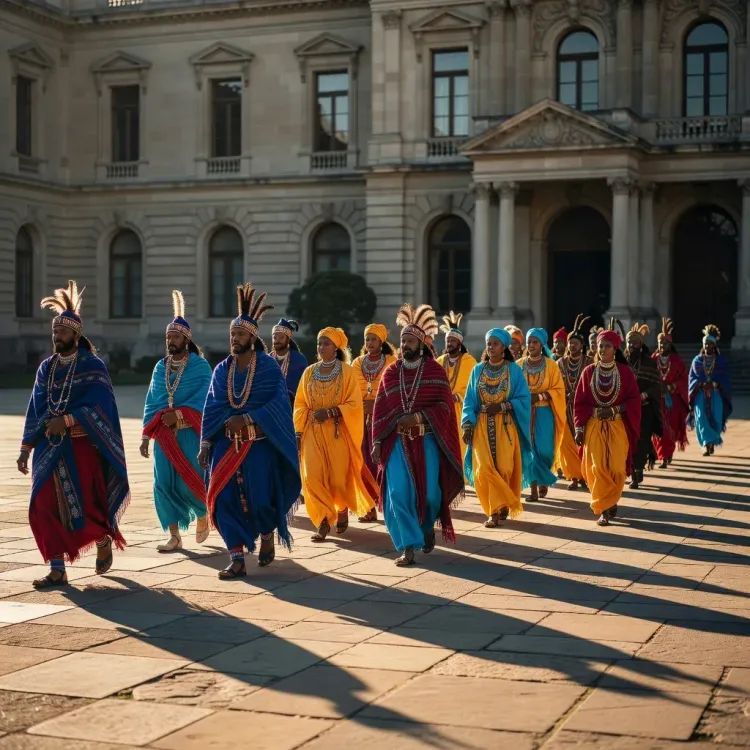
Synopsis
Chhattisgarh CM Vishnu Deo Sai announced that a 209-member Bastar delegation — including Bastar Pandum-2026 winners, Manjhi-Chalki traditional leaders, and Padma Shri awardees — will visit Rashtrapati Bhavan on 30 July 2026 at President Draupadi Murmu's personal invitation.
Key Takeaways
A 209-member delegation from Bastar will visit Rashtrapati Bhavan on 30 July 2026 at President Draupadi Murmu's personal invitation.
The group includes winners of Bastar Pandum-2026 , traditional Manjhi-Chalki leaders, Padma Shri awardees, and elected representatives.
CM Vishnu Deo Sai described the visit as 'a moment of pride' for Chhattisgarh's cultural and social heritage.
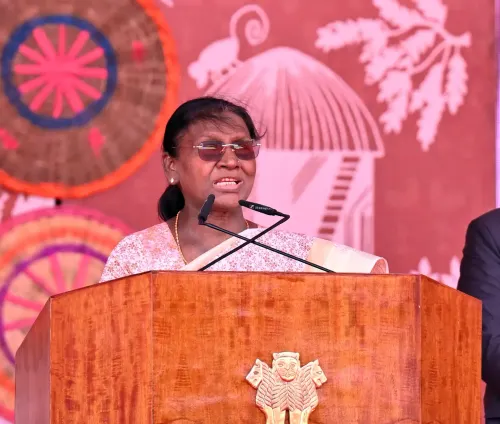
President Murmu , the first person from a tribal community to hold the office, extended the personal invitation — lending the event significant symbolic weight.
Bastar is Chhattisgarh's southern division, known for its majority tribal population and distinct indigenous traditions including the Bastar Pandum festival.
A 209-member delegation from Bastar — winners of Bastar Pandum-2026, traditional Manjhi-Chalki leaders, Padma Shri awardees, and elected representatives — will walk through the gates of Rashtrapati Bhavan on 30 July 2026, at the personal invitation of President Draupadi Murmu. Chhattisgarh Chief Minister Vishnu Deo Sai announced the visit on Wednesday, calling it a moment of pride for the state's cultural and social heritage.
In his post, CM Sai wrote: 'Bastar ki samridh janjaatiya sanskriti, paramparaon aur samajik netritva ko rashtriya star par ek vishisht samman milne ja raha hai' — 'Bastar's rich tribal culture, traditions, and social leadership are about to receive a distinguished honour at the national level.'
Who Is in the 209-Member Group
The delegation is a deliberate cross-section of Bastar's cultural ecosystem. Bastar Pandum-2026 winners represent the competitive, festival dimension of tribal life. The Manjhi-Chalki representatives are traditional village-level custodians of customary governance — a form of indigenous social leadership that predates formal administrative structures in the region. Alongside them travel Padma Shri recipients and elected public representatives, weaving together cultural achievement, hereditary authority, and democratic voice in a single group.
Why President Murmu's Invitation Carries Particular Weight
Draupadi Murmu, who assumed the presidency in 2022, is the first person from a tribal community to hold India's highest constitutional office. Her invitation to a Bastar tribal delegation is not merely ceremonial protocol — it is a signal. Since she took office, national visibility for Adivasi customs, leadership structures, and festivals has measurably increased, and hosting a delegation of this composition at Rashtrapati Bhavan places Bastar's indigenous heritage squarely in the national frame.
Bastar's Cultural Identity on a National Stage
Bastar, the southern division of Chhattisgarh, is home to a majority tribal population and some of India's most distinct indigenous traditions. Successive state governments have promoted Bastar's tribal festivals and cultural events as cornerstones of state identity and tourism. The Bastar Pandum festival — a celebration of tribal arts, music, and community — is among the flagship events in that effort.
The 30 July visit places that local effort on the grandest possible national platform. When Bastar's traditional leaders and cultural champions stand inside Rashtrapati Bhavan, the message travels far beyond the room.
Watch for any state-level announcements on cultural preservation or Bastar heritage tourism in the days following the 30 July programme — a presidential audience of this scale rarely arrives without a policy tailwind.
Point of View
Who took office in December 2023, the visit offers a high-visibility validation of the state's tribal outreach agenda ahead of continued efforts to consolidate Adivasi support. More broadly, the episode reflects a deliberate national pattern: using the presidency's ceremonial reach to elevate indigenous cultural identity in ways that carry both cultural weight and electoral resonance.
NationPress
29 Jul 2026
Frequently Asked Questions
Who is visiting Rashtrapati Bhavan on 30 July 2026?
A 209-member delegation from Bastar, including winners of Bastar Pandum-2026, traditional Manjhi-Chalki leaders, Padma Shri awardees, and elected representatives, will visit Rashtrapati Bhavan on 30 July 2026 at President Draupadi Murmu's personal invitation.
What is Bastar Pandum?
Bastar Pandum is a tribal cultural festival celebrated in the Bastar region of Chhattisgarh, showcasing indigenous arts, music, and community traditions. The 2026 edition's winners are among the delegates invited to Rashtrapati Bhavan.
Who are Manjhi-Chalki representatives?
Manjhi-Chalki are traditional village-level custodians of customary governance in the Bastar region — a form of indigenous social leadership that predates formal administrative structures and plays a key role in tribal community life.
Why is President Murmu's invitation significant for Bastar's tribal communities?
President Draupadi Murmu is the first person from a tribal community to hold India's highest constitutional office. Her personal invitation to a Bastar tribal delegation places indigenous culture and leadership at the national level in a historically meaningful way.
What did CM Vishnu Deo Sai say about the Rashtrapati Bhavan visit?
CM Vishnu Deo Sai called the visit 'a moment of pride' for Chhattisgarh and Bastar's cultural and social heritage, announcing that the delegation would travel to Rashtrapati Bhavan on 30 July 2026 at President Murmu's special invitation.