CM Sai at IITF: Chhattisgarh Rewrites Its Own Story
Synopsis
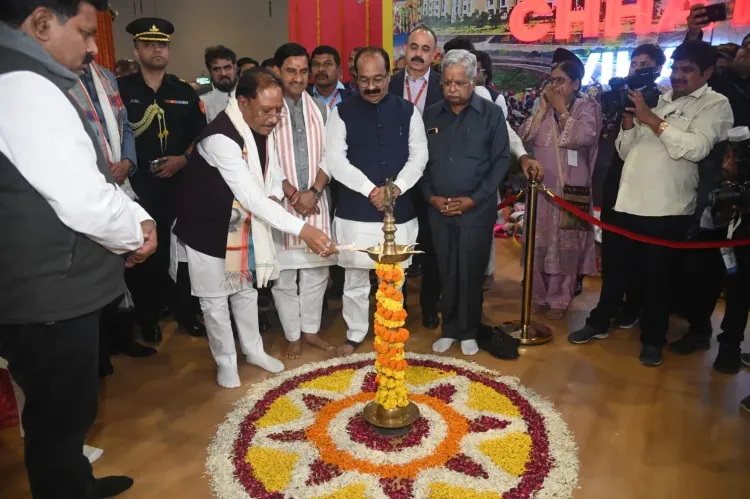
Chief Minister Vishnu Deo Sai chaired Chhattisgarh State Day at the 45th India International Trade Fair at Bharat Mandapam, New Delhi, declaring the state is building a new identity rooted in tribal heritage, folk culture, and economic opportunity — moving decisively beyond its Naxal-conflict image.
Key Takeaways
Chhattisgarh State Day was celebrated at the 45th India International Trade Fair at Bharat Mandapam, New Delhi on 20 November 2026 .
Governor Ramen Deka was the chief guest; CM Vishnu Deo Sai chaired and addressed the event.
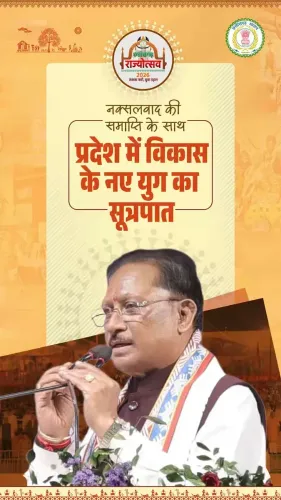
CM Sai declared that Chhattisgarh's identity is changing — from a Naxal-conflict narrative to one of tribal heritage, folk culture, and development opportunity.
The Chief Minister toured the Chhattisgarh Pavilion , reviewing stalls by state departments, entrepreneurs, handicraft artisans, and local industries.
Chhattisgarh was formed on 1 November 2000 from Madhya Pradesh; the current BJP government under Sai, in power since December 2023 , has made economic and cultural rebranding a central priority.
The event reflects a broader national pattern of Naxal-affected states using trade fairs to pivot toward cultural and investment promotion.
A state once synonymous with Naxal conflict stepped into the national spotlight on Friday, 20 November 2026, as Chhattisgarh marked its State Day at the 45th India International Trade Fair in New Delhi's Bharat Mandapam — with Chief Minister Vishnu Deo Sai declaring that the state's identity is now being rewritten on its own terms.
From Bastar's Shadow to the National Stage
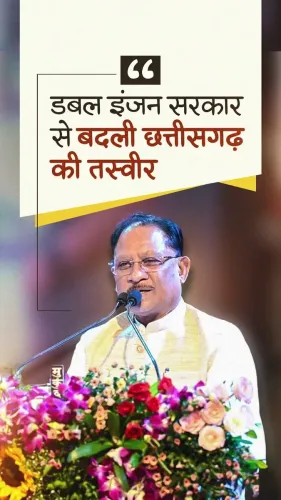
Governor Ramen Deka presided as chief guest while CM Vishnu Deo Sai chaired the State Day ceremony and addressed delegates directly. His message was pointed: 'Chhattisgarh ki pehchaan ab badal rahi hai' — 'Chhattisgarh's identity is now changing.' The region of Bastar, he noted, was once discussed almost exclusively in the context of Naxalism and security challenges. Today, Sai argued, the same state commands attention for its rich tribal heritage, vibrant folk culture, natural beauty, and fresh economic possibilities.
That pivot from security narrative to cultural and economic promise is not rhetorical window-dressing. It is a deliberate, sustained repositioning — and the trade fair stage gave it maximum visibility.
The Chhattisgarh Pavilion: Handicrafts, Entrepreneurs, and Living Culture
CM Sai toured the Chhattisgarh Pavilion at the fair, moving through stalls set up by multiple state departments and local entrepreneurs. He examined products ranging from handcrafted artefacts to goods that reflect the state's distinct tribal traditions — a showcase designed to signal both cultural pride and commercial readiness to a national and international audience.
The pavilion format matters: at India's most prominent annual trade exhibition, organised by the India Trade Promotion Organisation, floor space is competitive and footfall is high. Putting Chhattisgarh's tribal artisans and businesses in that arena is an investment pitch and a cultural statement rolled into one.
A Rebranding Two Decades in the Making
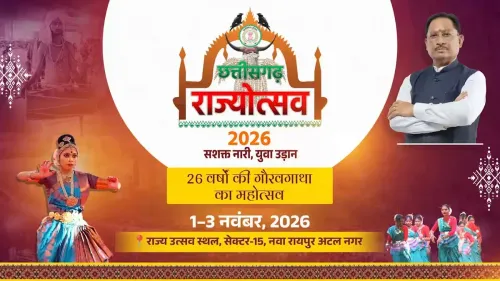
Chhattisgarh was carved out of Madhya Pradesh on 1 November 2000 specifically to give voice to its mineral-rich, heavily forested, and largely tribal geography. For much of the two decades that followed, Bastar's left-wing extremism defined how the rest of India — and the world — perceived the state. That framing suppressed tourism, deterred investment, and overshadowed the region's exceptional cultural assets.
The current BJP government under CM Sai, who took office in December 2023, has made image rebranding a visible policy priority, echoing similar moves by other states that faced Naxal-era stigma. Trade fairs, cultural festivals, and investment summits are the instruments — and each State Day appearance at the IITF is another incremental step in that longer arc.
The question now is whether the pavilion buzz at Bharat Mandapam translates into sustained investment interest and tangible uplift for the tribal artisans and entrepreneurs on display — because a rebranded story only holds if the numbers eventually back it up.
Point of View
Now given a high-visibility national platform, signals that the state is actively competing for the tourism and investment attention that neighbouring resource-rich states have already captured. Whether this narrative shift meaningfully reaches tribal artisans and local entrepreneurs on the ground, or remains a trade-fair showcase, will be the real measure of the rebranding's depth. For now, the optics are deliberate and the messaging is disciplined.
NationPress
20 Nov 2026
Frequently Asked Questions
What is the India International Trade Fair and where is it held?
The India International Trade Fair is an annual exhibition organised by the India Trade Promotion Organisation to showcase products from Indian states and participating countries. The 45th edition was held at Bharat Mandapam in New Delhi .
What did CM Vishnu Deo Sai say at Chhattisgarh State Day at IITF 2026?
CM Sai said that Chhattisgarh's identity is now changing — the region of Bastar and the state at large, once discussed mainly in the context of Naxalism, is now building a new image based on its tribal heritage, folk culture, natural beauty, and development potential.
Who is Vishnu Deo Sai?
Vishnu Deo Sai is the Chief Minister of Chhattisgarh, representing the BJP. He assumed office in December 2023 and has focused on economic development and rebranding the state's image.
What is Chhattisgarh's connection to Naxalism?
The Bastar region of Chhattisgarh has historically been a stronghold of left-wing Naxal extremism, which shaped national and international perceptions of the state for decades. The current government is actively working to shift this narrative toward cultural and economic opportunity.
When was Chhattisgarh formed as a state?
Chhattisgarh was carved out of Madhya Pradesh on 1 November 2000 to address the aspirations of its tribal and mineral-rich population.