CM Sai Pushes Nano Urea, Nano DAP via Chhattisgarh Co-ops
Synopsis
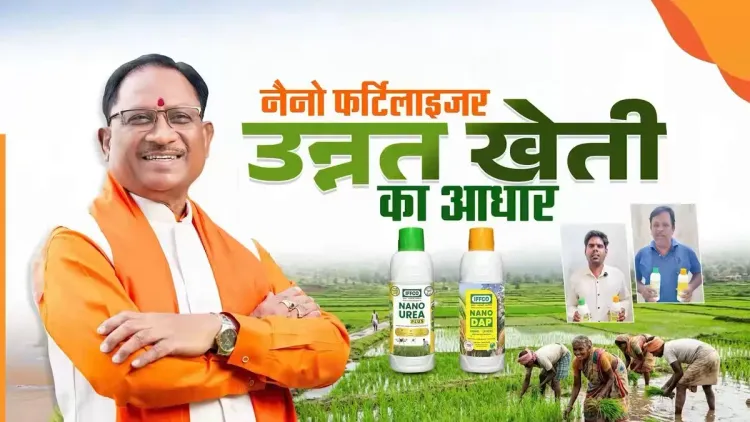
Chhattisgarh CM Vishnu Deo Sai announced on 11 July 2026 that nano urea and nano DAP are being distributed through agricultural cooperatives and service centres, aiming to cut input costs, boost crop yields, and raise farmer incomes across the state.
Key Takeaways
CM Vishnu Deo Sai announced on 11 July 2026 that nano urea and nano DAP are being distributed through Chhattisgarh's agricultural cooperatives and service centres.
The initiative aims to reduce farming input costs, increase crop productivity, and raise farmer incomes across the state.
IFFCO developed nano urea, launched nationally in June 2021 , which can reduce conventional urea use by up to 50 per cent .
The move aligns with the central government's Atmanirbhar Bharat agricultural framework and post-2021 advisories to states on nano fertilizer distribution.
Actual impact will hinge on farmer adoption rates and supply consistency during the 2026-27 crop seasons.
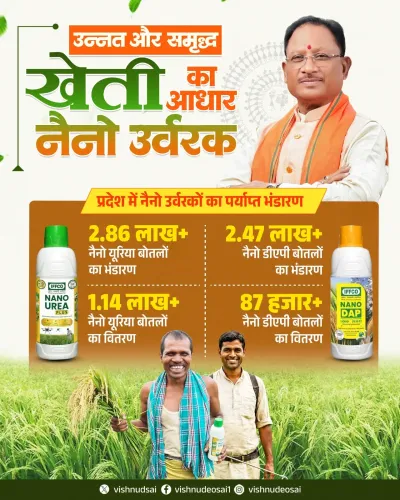
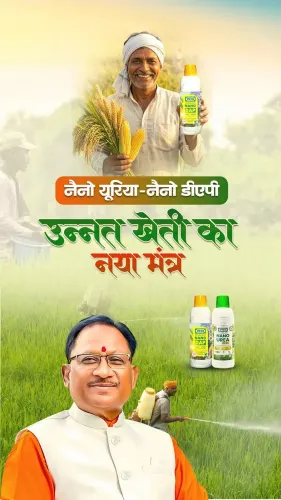
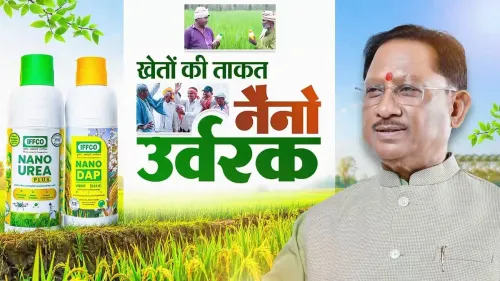
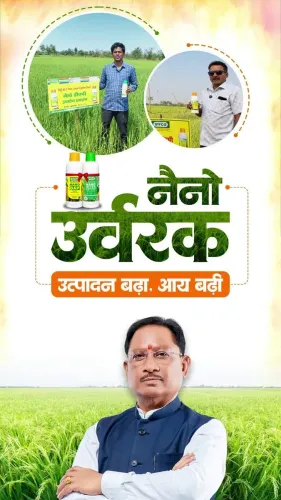
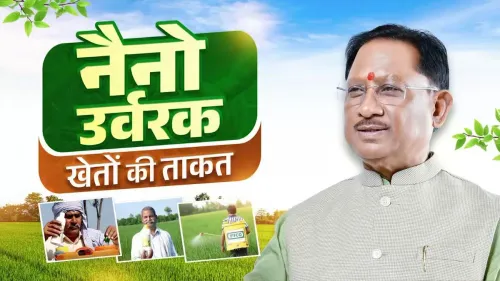
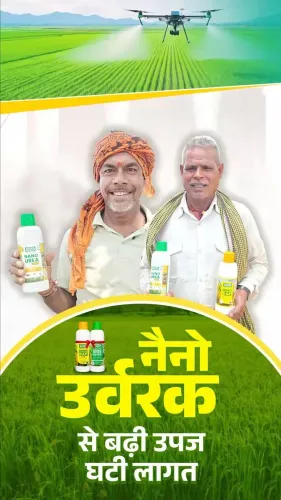
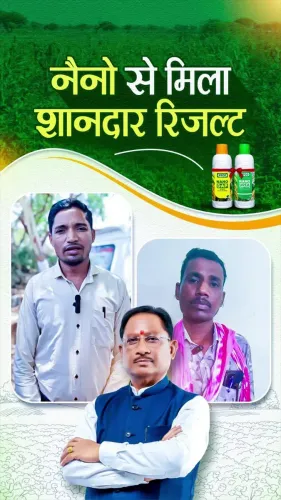
Chhattisgarh Chief Minister Vishnu Deo Sai on Saturday, 11 July 2026 announced that his government is ensuring the availability of nano urea and nano DAP through agricultural cooperatives and service centres across the state, framing the move as central to modernising farming and raising farmer incomes.
Context
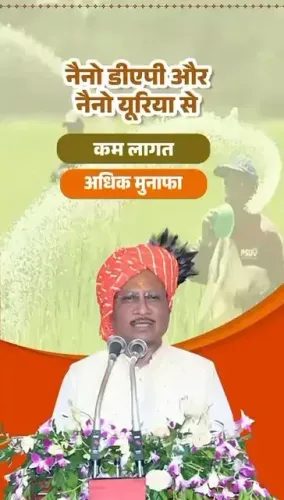
In a post on X, CM Sai said the 'good governance government' (suशासन सरकार) is 'continuously opening new possibilities in the agriculture sector through modern and scientific farming.' He specifically highlighted that availability of nano urea and nano DAP is being ensured through agricultural committees and service centres for the convenience of farmers. He added that these modern fertilizers 'play an important role in reducing the cost of farming, increasing crop productivity, and raising farmers' incomes.'
The post also carried a resolve: 'Our commitment is that every annadata [food provider/farmer] of the state connects with modern agricultural technologies and becomes more prosperous, self-reliant, and happy.'
Policy Backdrop
IFFCO (Indian Farmers Fertiliser Cooperative Limited) launched nano urea liquid nationally in June 2021, with the technology formally introduced as part of a broader push toward precision and sustainable farming. The Union Ministry of Chemicals and Fertilizers subsequently amended the Fertilizer Control Order to include nano formulations and advised states to distribute them through cooperative networks.
Nano urea is designed to improve nutrient use efficiency and can reduce conventional urea application by up to 50 per cent. Nano DAP similarly targets phosphatic nutrient delivery at the root level. Together, they are positioned to lower India's subsidy outgo and reduce dependence on imported phosphatic fertilizers — objectives that align with the Atmanirbhar Bharat framework for agriculture.
Chhattisgarh, a central Indian state with a large agricultural base centred on paddy cultivation, has been among the states implementing central fertilizer initiatives through its cooperative infrastructure. CM Sai, who took office in December 2023 after the BJP's assembly election victory, has positioned agricultural modernisation as a governance priority.
Stakeholders and Impact
The primary beneficiaries are Chhattisgarh's farming households, who currently rely heavily on conventional subsidised urea and DAP. Routing nano fertilizers through agricultural cooperatives and service centres is intended to make them accessible in rural areas without requiring farmers to navigate private retail markets.
Multiple BJP-governed states have incorporated nano fertilizers into their agricultural extension networks following the 2021 central advisories. The Chhattisgarh government's push follows this broader pattern, with the cooperative channel serving as the primary last-mile delivery mechanism. Reduced input costs, if realised, could improve net farm income — a persistent policy challenge in a state where a large share of the population depends on agriculture.
What's Next
The practical test will be the actual uptake of nano urea and nano DAP during the 2026-27 crop seasons in Chhattisgarh. State-level data on distribution volumes, farmer adoption rates, and yield or income outcomes are expected to be tracked through the agricultural cooperative network and could be presented before the state assembly.
Broader success will depend on farmer awareness, the readiness of service centre staff to demonstrate application methods, and consistent supply from IFFCO to meet rural demand — factors that will determine whether the policy intent translates into measurable field outcomes.
Point of View
Giving it political as well as policy resonance. However, the real measure of success will be field-level uptake data during the 2026-27 kharif and rabi seasons — numbers that have not yet been established. Until adoption metrics and yield outcomes are documented, the announcement remains a policy intent rather than a demonstrated outcome.
NationPress
10 Oct 2026
Frequently Asked Questions
What are nano urea and nano DAP?
Nano urea and nano DAP are liquid nano-fertilizers developed by IFFCO that deliver nitrogen and phosphorus nutrients at the plant level with greater efficiency than conventional granular fertilizers, potentially reducing the quantity of fertilizer needed per acre.
How will Chhattisgarh farmers get nano urea and nano DAP?
According to CM Vishnu Deo Sai's 11 July 2026 announcement, nano urea and nano DAP will be made available through agricultural cooperatives and service centres across Chhattisgarh.
What is the benefit of nano fertilizers for farmers?
Nano fertilizers are designed to reduce farming input costs, increase crop productivity, and ultimately raise farmers' net income by improving nutrient use efficiency compared to conventional urea and DAP.
Who is Vishnu Deo Sai?
Vishnu Deo Sai is the Chief Minister of Chhattisgarh and a BJP leader who assumed office in December 2023 following the party's victory in the state assembly elections.
When did India launch nano urea nationally?
IFFCO launched nano urea liquid nationally in June 2021, after which the Union government amended the Fertilizer Control Order to include nano formulations and advised states to distribute them through cooperative networks.