CM Sai engages Chhattisgarh youth at innovation conclave in Raipur
Synopsis
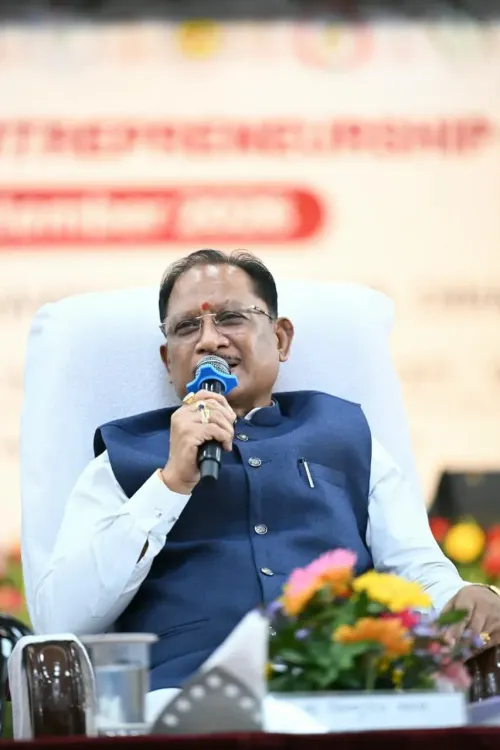
Chief Minister Vishnu Deo Sai held an intimate dialogue with young innovators and startup aspirants at the Chhattisgarh Youth Innovation & Entrepreneurship Conclave 2026 at IGKV Raipur, deliberating on ways to channel youth talent toward a stronger startup ecosystem in the state.
Key Takeaways
CM Vishnu Deo Sai engaged directly with young entrepreneurs at the Chhattisgarh Youth Innovation & Entrepreneurship Conclave 2026 on 29 September 2026 .
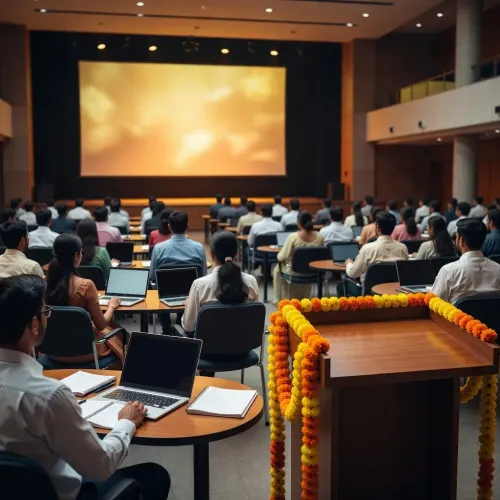
The conclave was held at Krishi Sabhagar, IGKV, Raipur — Indira Gandhi Krishi Vishwavidyalaya, the state's premier agricultural university.
Discussions focused on understanding youth aspirations and charting a path for innovation, talent, and entrepreneurship in the state.
The event supports the Startup Chhattisgarh initiative and aligns with national goals under Startup India and Viksit Bharat .
The Sai government has prioritised youth entrepreneurship since December 2023 to diversify Chhattisgarh's economy beyond mining and agriculture.
Concrete policy outcomes — incubation centres, budget allocations, new schemes — are awaited as follow-up to the conclave.
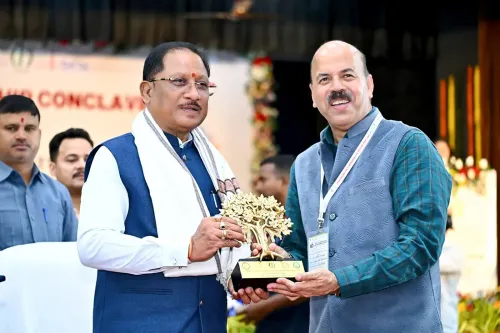
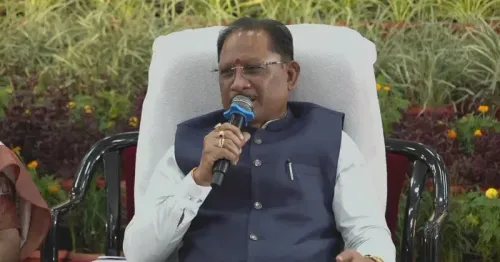
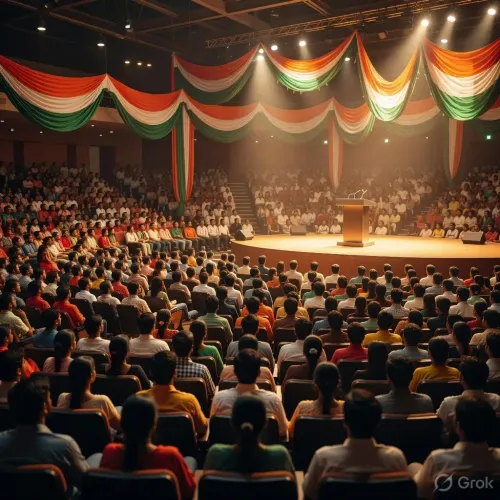
At the sprawling Krishi Sabhagar of Indira Gandhi Krishi Vishwavidyalaya (IGKV), Raipur, Chief Minister Vishnu Deo Sai sat down with the state's young innovators and aspiring entrepreneurs on Tuesday, 29 September 2026 — listening, not lecturing. The occasion was the Chhattisgarh Youth Innovation & Entrepreneurship Conclave 2026, a state-level platform designed to put the next generation of startup founders front and centre.
The Chief Minister's Office described the session as an 'aatmiya samvaad' — an intimate, heartfelt dialogue — in which CM Sai sought to understand the 'dreams, hopes, and talents' of young Chhattisgarh, and deliberated on giving 'a new flight towards a golden future' to their ideas, innovations, and entrepreneurial spirit. The venue itself carried symbolic weight: an agricultural university hosting a conversation about the state's pivot away from its traditional economic base.
From mining belt to startup map: Chhattisgarh's entrepreneurship push
Chhattisgarh's economy has long been anchored in mining and agriculture — two sectors that generate wealth but not necessarily mass employment for a tech-educated generation. Since CM Sai took office in December 2023 following the BJP's state assembly victory, the government has made youth-focused entrepreneurship a visible policy priority, explicitly seeking to diversify the state's economic identity.
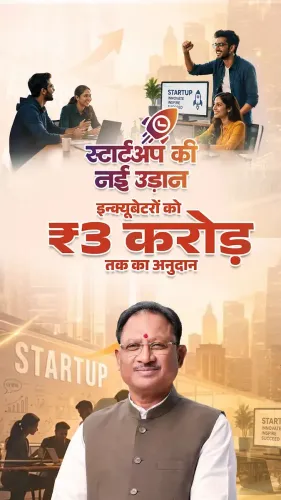
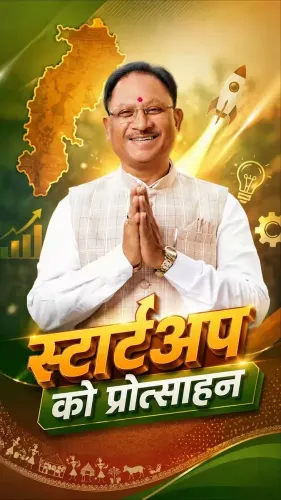
The conclave feeds directly into the Startup Chhattisgarh initiative — the state's flagship scheme to nurture startup culture — and aligns with national frameworks like Startup India and the broader Viksit Bharat vision. Several BJP-governed states have pursued identical strategies: building local innovation ecosystems so that employment flows from enterprise creation rather than government recruitment drives alone.
Why IGKV and why now
Choosing an agricultural university as the conclave's venue is not incidental. IGKV Raipur represents the state's deep-rooted connection to its agrarian identity — hosting the event there signals an intent to bridge that legacy with a forward-looking startup culture, including agri-tech and rural innovation. With the conclave now concluded, attention will shift to whether the dialogue translates into concrete follow-ups: incubation centre announcements, budget allocations, or new schemes targeting young founders in semi-urban and rural Chhattisgarh.
The deliberations today may be the opening note, but the score will be written in policy decisions that follow.
Point of View
Not a peripheral programme. Chhattisgarh's resource-heavy economy has historically struggled to absorb an aspirational, educated youth workforce — making startup ecosystem-building both a policy necessity and an electoral calculation ahead of future cycles. The choice of an agricultural university as the venue suggests an intent to bridge rural identity with modern enterprise, potentially targeting agri-tech as a growth corridor. How quickly the state translates today's dialogue into funded incubators and measurable startup outcomes will determine whether this conclave is remembered as a turning point or a photo opportunity.
NationPress
29 Sept 2026
Frequently Asked Questions
What is the Chhattisgarh Youth Innovation and Entrepreneurship Conclave 2026?
It is a state-level event held at IGKV Raipur on 29 September 2026, where Chief Minister Vishnu Deo Sai engaged young innovators and startup aspirants to discuss ways to support entrepreneurship and innovation in Chhattisgarh.
Who is Vishnu Deo Sai?
Vishnu Deo Sai is the Chief Minister of Chhattisgarh, who assumed office in December 2023 after the BJP won the state assembly elections.
What is Startup Chhattisgarh?
Startup Chhattisgarh is a state government initiative to promote startup culture and entrepreneurial activity among the youth of Chhattisgarh, aligning with the national Startup India framework.
Where was the Youth Innovation Conclave 2026 held?
The conclave was held at Krishi Sabhagar, Indira Gandhi Krishi Vishwavidyalaya (IGKV), Raipur, Chhattisgarh.
What can we expect after the Chhattisgarh Youth Conclave 2026?
Observers are watching for follow-up policy announcements including incubation centre launches, budget allocations for startups, and new schemes targeting young entrepreneurs in Chhattisgarh.