CM Sai Hails Sirpur's Entry on UNESCO Tentative List
Synopsis
Sirpur, Chhattisgarh's ancient Hindu-Buddhist archaeological complex, has been included on UNESCO's tentative World Heritage list. Chief Minister Vishnu Deo Sai hailed the development as a landmark step in earning global recognition for the state's civilisational legacy, linking it to PM Modi's 'Virasat bhi, Vikas bhi' policy vision.
Key Takeaways
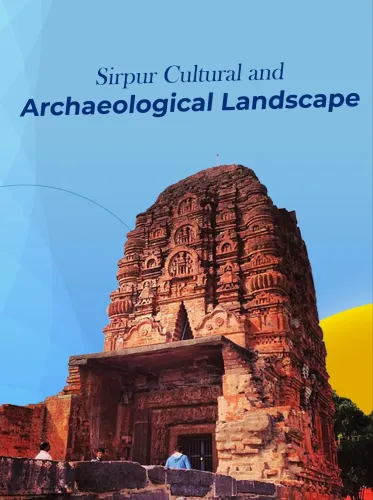
Sirpur , an archaeological site in Chhattisgarh with temples and viharas dating from the 6th to 11th centuries CE , has been included on UNESCO's tentative World Heritage list .
Chief Minister Vishnu Deo Sai described the listing as a crucial step toward placing Chhattisgarh's art, spirituality, and knowledge traditions on the world stage.
The development is framed within PM Narendra Modi's 'Virasat bhi, Vikas bhi' philosophy, which positions heritage preservation as integral to development.
UNESCO's tentative list is a mandatory prerequisite before a formal World Heritage nomination can be filed; a full inscription requires a detailed dossier and site management plan.
India has been systematically expanding its UNESCO tentative list entries, with Chhattisgarh's move reflecting a broader national strategy of promoting lesser-known regional heritage sites internationally.
An ancient city that once drew Buddhist pilgrims from across Asia is now on a path toward global recognition. The Chief Minister's Office of Chhattisgarh announced on Thursday, October 22, 2026, that Sirpur — a sprawling archaeological complex in central Chhattisgarh — has been included on UNESCO's tentative list, a milestone that Chief Minister Vishnu Deo Sai described as a pivotal step in placing the state's civilisational legacy on the world stage.
Sirpur: A Thousand-Year Legacy Seeking Global Validation
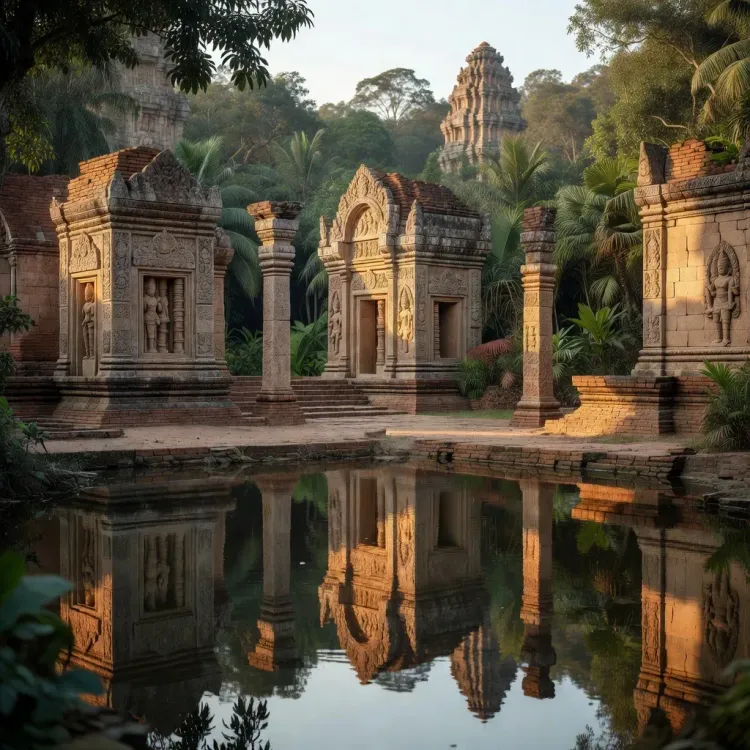
Sirpur, located in Mahasamund district of Chhattisgarh, is home to temples, viharas, and monasteries dating from the 6th to the 11th centuries CE — a period when it flourished as a major centre of Hindu and Buddhist learning on the Mahanadi basin. The site contains some of the finest early brick-temple architecture in central India, including the celebrated Lakshmana Temple, a Vaishnavite shrine that predates many of the region's more widely known monuments. Its dual Hindu and Buddhist heritage makes it exceptional even by South Asian archaeological standards.
Despite its significance, Sirpur has remained relatively obscure on the international heritage circuit. Inclusion on the UNESCO tentative list — the mandatory prerequisite before a formal World Heritage nomination can be submitted — changes that calculus. It signals that the site meets the threshold of Outstanding Universal Value, the bar UNESCO uses to evaluate all candidates.
Sai Frames It as Part of 'Virasat bhi, Vikas bhi'
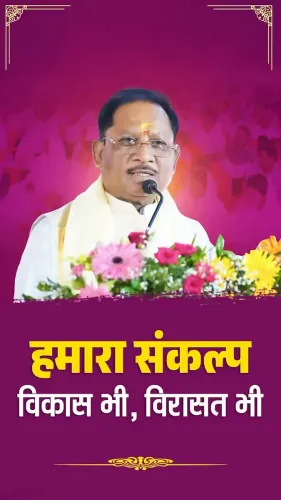
The Chief Minister's Office linked the development directly to Prime Minister Narendra Modi's governing philosophy of 'Virasat bhi, Vikas bhi' — 'Heritage too, Development too' — a framework that the central government has used to argue that ancient monuments and economic progress are not competing priorities but complementary ones. CM Vishnu Deo Sai called the listing 'an important achievement in the direction of bringing global recognition to Chhattisgarh's ancient civilisation and rich cultural heritage.'
He further described it as a step toward preserving the state's traditions of art, spirituality, and knowledge for future generations — framing heritage conservation explicitly as an intergenerational obligation, not merely a tourism proposition.
India's Expanding UNESCO Footprint and What Comes Next
India has been systematically expanding its UNESCO tentative list since the mid-2010s, targeting lesser-known regional sites that carry strong cultural or archaeological significance but lack the international visibility of monuments like the Taj Mahal or Hampi. Chhattisgarh's move fits a broader pattern of state governments championing Buddhist and Shaivite archaeological remains to attract both cultural tourism and conservation funding.
The tentative list entry is, however, only the first gate. A full World Heritage nomination requires a detailed dossier, a site management plan, and an assessment by UNESCO's advisory bodies — a process that typically spans several years and demands close coordination between the state government, the Archaeological Survey of India (ASI), and local communities around Sirpur. The quality of that follow-through will determine whether this milestone becomes a inscription or remains an aspiration.
For a state that has long sat outside India's main heritage tourism belt, the recognition lands with real weight. Sirpur's next chapter is being written — and the world is, for the first time, paying attention.
Point of View
Vikas bhi' slogan, the state government is consciously weaving a local archaeological achievement into a national narrative — signalling to voters that the state's ancient civilisation receives the same attention as its economic development. The real test, however, is institutional: past tentative listings by Indian states have stalled at the nomination stage due to inadequate site management plans and coordination failures between the ASI and state bodies. If Chhattisgarh can convert this milestone into a credible World Heritage dossier, it would represent a genuine break from that pattern and give the state a durable, apolitical legacy.
NationPress
22 Oct 2026
Frequently Asked Questions
What is the UNESCO tentative list and why does it matter for Sirpur?
The UNESCO tentative list is a mandatory first step for any site seeking World Heritage inscription — a country must place a site on this list before it can formally nominate it. For Sirpur, inclusion signals that the site is considered to meet the threshold of Outstanding Universal Value, opening the path to a full nomination and eventual inscription.
Where is Sirpur located and what makes it historically significant?
Sirpur is located in Mahasamund district of Chhattisgarh, on the Mahanadi basin. It contains temples, monasteries, and viharas dating from the 6th to 11th centuries CE , and was once a major centre of both Hindu and Buddhist learning — making its dual religious heritage exceptionally rare in central India.
What does 'Virasat bhi, Vikas bhi' mean?
' Virasat bhi, Vikas bhi ' translates to 'Heritage too, Development too.' It is a policy philosophy associated with Prime Minister Narendra Modi's government, arguing that cultural heritage preservation and economic development are complementary, not competing, national priorities.
What happens after a site is placed on UNESCO's tentative list?
After tentative listing, a country must prepare a detailed nomination dossier — including conservation plans, site management frameworks, and an assessment of Outstanding Universal Value — before UNESCO's advisory bodies evaluate it for full World Heritage inscription. This process typically takes several years.
Who is Vishnu Deo Sai?
Vishnu Deo Sai is the Chief Minister of Chhattisgarh. He welcomed Sirpur's UNESCO tentative listing as a landmark achievement for the state's ancient civilisation and called it a step toward preserving the region's spiritual, artistic, and intellectual traditions for future generations.