CM Sai Inaugurates Nursing Skill College in Jashpur's Ara
Synopsis
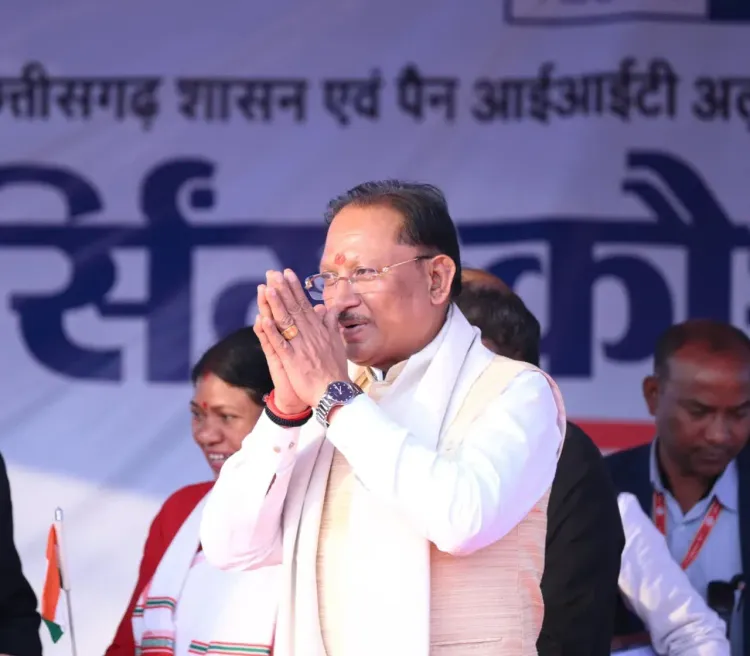
Chhattisgarh Chief Minister Vishnu Deo Sai inaugurated a Nursing Skill College at Ara in Jashpur on 15 November 2026, reviewing classrooms and labs before wishing the first all-women batch a bright future, framing the institution as a step toward both female self-reliance and stronger rural healthcare.
Key Takeaways
CM Vishnu Deo Sai inaugurated the Nursing Skill College at Ara, Jashpur district on 15 November 2026 .
The college aims to provide skills and employment opportunities specifically for young women from the tribal district.
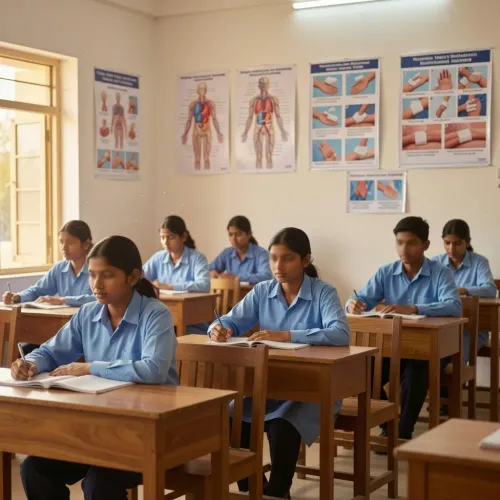
CM Sai toured the institution's modern classrooms and laboratory facilities during the inauguration.
The first batch is an all-women cohort, reflecting state policy linking female skill development with health-sector workforce planning.
The opening connects to the national Skill India Mission (2015) and demand generated by Ayushman Bharat (2018) for trained rural health workers.
Potential linkage of the college with the Chhattisgarh health department's recruitment pipeline will determine its long-term impact.
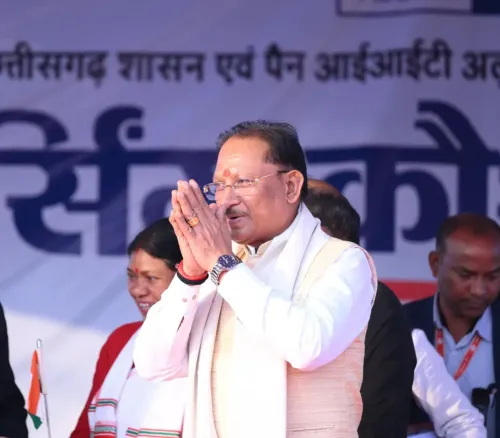
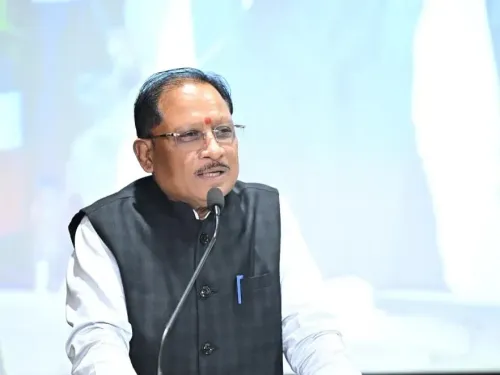
A new institution opened its doors in the tribal heartland of northern Chhattisgarh on Sunday, 15 November 2026 — and for the first batch of young women walking through them, it carries a promise of both a career and a calling. Chhattisgarh Chief Minister Vishnu Deo Sai inaugurated a Nursing Skill College at Ara in Jashpur district, personally touring its modern classrooms and laboratories before wishing the first batch of students a bright future.
Posting on X in Hindi, CM Sai said the institution would give daughters 'kaushal aur rojgar ka avsar' ('skills and employment opportunity') while giving healthcare services 'new strength'. He expressed confidence that the college would make girls aatmanirbhar — self-reliant — while producing skilled health workers who contribute to 'a healthy and prosperous Chhattisgarh'.
Why Jashpur, and Why Now
Jashpur is one of Chhattisgarh's predominantly tribal districts, where access to quality healthcare and formal vocational training for women has historically lagged behind urban centres. District-level nursing and paramedical training facilities have been incrementally added across central India's tribal blocks precisely to close two gaps simultaneously: female employment and the acute shortage of trained health personnel at the grassroots level.
The opening at Ara fits into a wider national architecture. The Skill India Mission, launched in 2015, specifically targeted nursing and allied health skills as priority sectors for vocational expansion. The Ayushman Bharat programme, announced in 2018, simultaneously created surging demand for trained frontline health workers — demand that rural colleges like this one are now designed to supply.
Girls-Only Batch: Skill Policy Meets Women's Empowerment
The emphasis on an all-women first batch is deliberate policy, not ceremony. State governments across central India have increasingly structured skill programmes around women's participation rates, recognising that nursing and paramedical training offers one of the clearest pathways from rural unemployment to formal sector employment for young women from tribal communities.
CM Sai's visit — which included an on-site review of training arrangements and laboratory infrastructure — signals that the state intends this to be an operational institution, not a ribbon-cutting exercise. The question that will follow is whether the college finds formal linkage with the Chhattisgarh health department's own recruitment pipeline, turning trained graduates directly into state health workers rather than leaving them to navigate the open market alone.
The opening of one college in one village is a small step. But in a district like Jashpur, it may be precisely the kind of small step that compounds.
Point of View
Employable skilling rather than welfare transfers alone. The college's real test will be whether its graduates enter public healthcare roles or fall through the gap between training and recruitment. If formal departmental linkage follows, this model could be replicated across other tribal districts.
NationPress
15 Nov 2026
Frequently Asked Questions
Where is the new Nursing Skill College inaugurated by CM Sai located?
The college is located at Ara village in Jashpur district , in northern Chhattisgarh, a predominantly tribal region.
Who inaugurated the Nursing Skill College in Jashpur?
Chhattisgarh Chief Minister Vishnu Deo Sai inaugurated the college on 15 November 2026 , personally reviewing its classrooms and laboratory infrastructure.
What is the aim of the Nursing Skill College at Ara?
The college aims to provide nursing and healthcare skill training to young women from the tribal district, making them self-reliant and supplying skilled health workers to strengthen rural healthcare in Chhattisgarh.
How does this nursing college connect to central government schemes?
The college aligns with the national Skill India Mission (2015) , which prioritised nursing and allied health training, and addresses workforce demand created by the Ayushman Bharat programme (2018) .
Will the nursing college graduates get government jobs in Chhattisgarh?
That depends on whether the state formally links the college to the Chhattisgarh health department's recruitment pipeline — a development to watch in upcoming state budget and policy announcements.