CM Sai Leads Chhattisgarh's Cleanliness Drive via Seva Mera Yogdaan
Synopsis
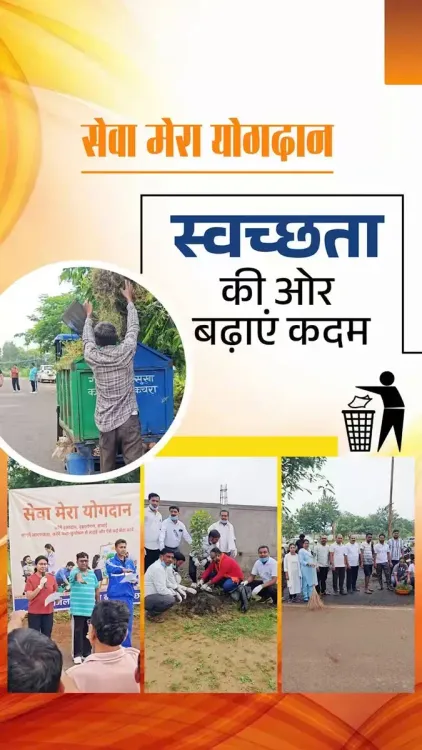
The Chhattisgarh CMO has called on citizens statewide to join the 'Seva Mera Yogdaan' initiative under the Seva Sankalp Abhiyan, framing neighbourhood cleanliness as a personal civic pledge under CM Vishnu Dev Sai's Sushasan Sarkar governance brand.
Key Takeaways
The Chief Minister's Office of Chhattisgarh promoted the 'Seva Mera Yogdaan' initiative on September 29, 2026 .
Chief Minister Vishnu Dev Sai , in office since December 2023 , is leading the statewide Seva Sankalp Abhiyan campaign.
The initiative frames cleanliness as a citizen-led pledge, building on the Swachh Bharat Mission model launched nationally in 2014 .
The campaign is branded under the Sushasan Sarkar (Good Governance Government) identity of the BJP-led state government.
Exact participation figures and measurable sanitation targets for the campaign have not been officially disclosed.
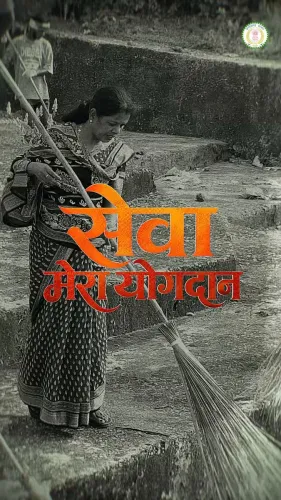
Across Chhattisgarh, brooms are out and communities are moving — not by government order, but by public pledge. The Chief Minister's Office of Chhattisgarh announced on Tuesday, September 29, 2026 that the Seva Sankalp Abhiyan (Service Resolve Campaign) is mobilising citizens statewide through its 'Seva Mera Yogdaan' initiative, turning neighbourhood cleanliness into a mass civic commitment under Chief Minister Vishnu Dev Sai.
The CMO's post, shared in Hindi, frames the effort plainly: 'Swachhata ko jan bhagidari ka sankalp banaya ja raha hai' — 'cleanliness is being made a people's resolve.' Citizens across the state are being urged to join the drive and contribute to making their surroundings clean and beautiful. The call-to-action is direct: 'You too must join the Seva Mera Yogdaan initiative.'
What Seva Sankalp Abhiyan Actually Asks of Citizens
The campaign operates on a straightforward premise — that sustained cleanliness cannot be delivered by administration alone. The 'Seva Mera Yogdaan' pillar specifically invites individuals to take personal ownership of their immediate environment, echoing the jan bhagidari (people's participation) model that has defined sanitation policy nationally since the Swachh Bharat Mission launched in 2014. That national campaign built toilets and infrastructure; what followed was the harder task of embedding habits. State-level drives like this one attempt exactly that follow-through.
Sai Government's 'Sushasan Sarkar' Branding at Work
Vishnu Dev Sai took charge as Chief Minister in December 2023, leading the BJP government in Chhattisgarh under the banner of Sushasan Sarkar — 'Good Governance Government.' Cleanliness campaigns fit neatly into that messaging architecture: visible, participatory, and photographable. The hashtags on this post — #SevaSankalpAbhiyan, #SevaMeraYogdaan, #Sushasansarkar — signal a coordinated communications push, not a one-off announcement. Statewide rollout suggests district-level machinery is involved, though specific participation numbers and measurable sanitation targets have not been officially released.
The broader pattern is well-established across Indian states: governments amplify citizen-led cleanliness moments, particularly around key civic dates, to sustain momentum beyond infrastructure investments. Whether Chhattisgarh's campaign translates into verifiable sanitation improvements will depend on the district-level data that follows in the coming months.
For now, the message from Raipur is simple and pointed — pick up, clean up, show up. The government is watching the numbers; the citizens are being asked to make them move.
Point of View
The campaign serves a dual function: it advances a genuine public-health objective while reinforcing the 'Sushasan Sarkar' brand ahead of any future electoral or administrative review cycles. The reliance on citizen participation framing also allows the administration to distribute accountability — if cleanliness metrics improve, the government claims credit; if they stall, the narrative shifts to community responsibility. The real test will be whether district-level data surfaces to validate the campaign's reach.
NationPress
29 Sept 2026
Frequently Asked Questions
What is the Seva Mera Yogdaan initiative in Chhattisgarh?
'Seva Mera Yogdaan' is a citizen participation pillar of the Seva Sankalp Abhiyan campaign in Chhattisgarh, urging residents to personally contribute to cleanliness and beautification of their neighbourhoods under CM Vishnu Dev Sai's leadership.
What is the Seva Sankalp Abhiyan?
Seva Sankalp Abhiyan is a state-level governance campaign in Chhattisgarh promoting public service and cleanliness activities, aligned with the BJP government's Sushasan Sarkar branding.
Who is leading the Seva Sankalp Abhiyan in Chhattisgarh?
Chief Minister Vishnu Dev Sai, who has led Chhattisgarh's BJP government since December 2023, is heading the Seva Sankalp Abhiyan initiative.
How does Seva Mera Yogdaan relate to Swachh Bharat Mission?
Seva Mera Yogdaan follows the jan bhagidari (people's participation) model of the national Swachh Bharat Mission launched in 2014, extending its community-led cleanliness approach at the state level in Chhattisgarh.
How can citizens join the Seva Mera Yogdaan initiative?
The Chhattisgarh CMO has called on all citizens to participate in cleanliness activities in their local areas as part of the Seva Mera Yogdaan initiative under the Seva Sankalp Abhiyan campaign, though specific registration details were not specified in the announcement.