CM Sai Orders Non-Stop Flood Relief in Bilaspur, Janjgir-Champa
Synopsis
Chhattisgarh CM Vishnu Deo Sai on 18 July 2026 directed district administrations in Bilaspur and Janjgir-Champa to ensure zero laxity in flood relief operations, covering food, drinking water, medical aid, road restoration, and drainage clearance for all affected residents.
Key Takeaways
CM Vishnu Deo Sai issued a public directive on 18 July 2026 ordering immediate flood relief in Bilaspur and Janjgir-Champa districts.
District administrations were told to ensure zero laxity in rescue and relief operations and deliver food, drinking water, medical aid, and essential supplies without delay.
The CM ordered effective deployment of all resources for drainage clearance, road restoration , and normalisation of public utilities.
Both districts are chronically flood-prone during the June–September monsoon and have historically required state-level intervention.
Relief and restoration activities are governed under the National Disaster Management Act, 2005 , with funding channelled through the State Disaster Response Fund (SDRF) .
Progress on road repairs, drainage works, and SDRF disbursements will be the key indicators of the administration's follow-through.
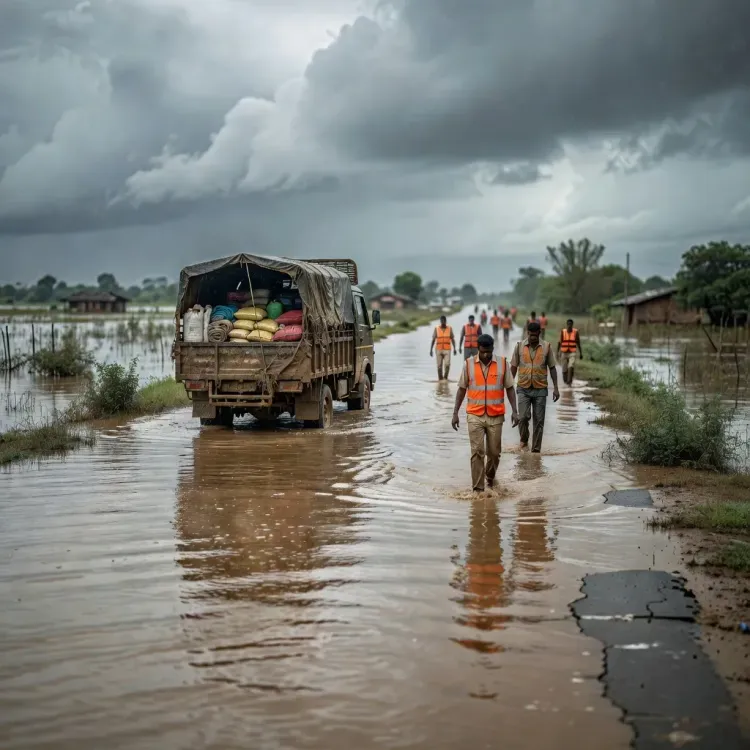
Chhattisgarh Chief Minister Vishnu Deo Sai on Saturday, 18 July 2026, directed district administrations in Bilaspur and Janjgir-Champa to maintain uninterrupted relief and rescue operations following severe waterlogging caused by heavy monsoon rainfall in both districts.
Context
Posting in Hindi on X, CM Sai stated that the state government is monitoring the situation 'with complete seriousness' (पूरी गंभीरता के साथ). He issued explicit instructions that 'no laxity of any kind be shown in relief and rescue operations' and that aid must reach every affected and needy person 'without delay' — covering food, drinking water, medical assistance, and other essential supplies.
The two districts — Bilaspur in central Chhattisgarh and Janjgir-Champa to its south-east — are among the state's most flood-prone zones during the June–September southwest monsoon season, frequently experiencing waterlogging that disrupts roads, drainage, and public utilities.
Policy Backdrop
State governments in central and eastern India are empowered under the National Disaster Management Act, 2005, to coordinate relief, rescue, and restoration through district machinery, drawing on the State Disaster Response Fund (SDRF). Chhattisgarh has periodically issued similar high-level directives for the Bilaspur and Janjgir-Champa divisions when monsoon flooding disrupts local infrastructure.
CM Sai, who took office in December 2023 following the BJP's victory in the state assembly elections, directed that all necessary resources be deployed effectively for drainage clearance, restoration of damaged roads, and normalisation of public amenities at the earliest.
Stakeholders and Impact
Flood-affected residents across both districts are the primary stakeholders, with the district administrations of Bilaspur and Janjgir-Champa serving as the frontline executing agencies. The Chief Minister's public directive places direct accountability on local officials to ensure no gaps in service delivery.
Agricultural communities in Janjgir-Champa — a district known for its farming activity — are particularly vulnerable to monsoon inundation, while urban waterlogging in Bilaspur tends to disrupt commerce and daily commutes. The CM's post asserted that the government will extend 'every possible assistance as needed' with 'full sensitivity, promptness, and commitment.'
What's Next
Authorities will be expected to submit progress reports on road restoration, drainage works, and the disbursement of relief assistance under SDRF norms in both districts. The pace of infrastructure normalisation and the reach of relief distribution to the last affected household will be the key measures by which the administration's response is judged.
With the monsoon season running through September, both districts remain on alert for further spells of heavy rainfall, making sustained administrative vigilance critical in the weeks ahead.
Point of View
Creating a traceable public commitment. Coming during an active monsoon season in two chronically flood-prone districts, the post fits a broader pattern of state governments using high-visibility announcements to front-run criticism over disaster response. The real test will be whether SDRF disbursements and infrastructure restoration follow at the pace the directive implies.
NationPress
18 Jul 2026
Frequently Asked Questions
Which districts in Chhattisgarh are affected by flooding in July 2026?
Bilaspur and Janjgir-Champa districts have been hit by heavy rainfall and waterlogging, prompting CM Vishnu Deo Sai to issue emergency relief directives to both district administrations on 18 July 2026.
What instructions did CM Vishnu Deo Sai give for flood relief?
CM Sai directed that no laxity be shown in relief and rescue operations, and that food, drinking water, medical assistance, and other essential supplies reach every affected person without delay. He also ordered drainage clearance and road restoration.
What fund does Chhattisgarh use for flood relief?
Chhattisgarh, like other states, draws on the State Disaster Response Fund (SDRF) — established under the National Disaster Management Act, 2005 — to finance relief, rescue, and restoration during flood events.
Who is Vishnu Deo Sai and when did he become Chhattisgarh CM?
Vishnu Deo Sai is a BJP leader who became Chief Minister of Chhattisgarh in December 2023 after the party won the state assembly elections.
Why are Bilaspur and Janjgir-Champa prone to flooding?
Both districts lie in central-eastern Chhattisgarh and experience recurrent waterlogging and inundation during the June–September southwest monsoon, disrupting roads, drainage, and agricultural activity.