CM Sai Reaffirms Tribal Development as Chhattisgarh's Core Mission
Synopsis
Chief Minister Vishnu Deo Sai publicly reaffirmed on November 17, 2026 that Chhattisgarh's 'good governance' administration will expand education, health, housing, roads, and employment in tribal areas while preserving the state's rich tribal cultural heritage.
Key Takeaways
CM Vishnu Deo Sai posted on November 17, 2026 reaffirming tribal development as a central governance priority.
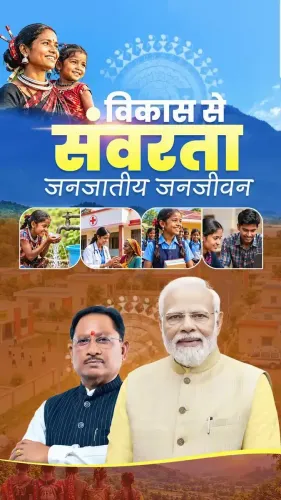
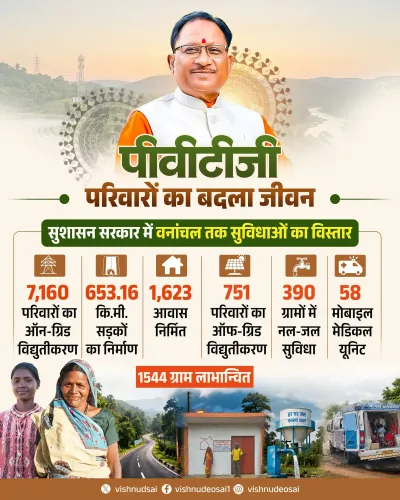
The pledge covers six pillars: education, health, housing, roads, drinking water, and employment in tribal areas.
Chhattisgarh's Scheduled Tribe population is approximately 30 percent of the state's total, among the highest in central India.
Sai has led the state since December 2023 , framing his administration as a sushasan sarkar (good governance government).
The post explicitly links cultural heritage preservation with infrastructure expansion, presenting them as complementary goals.
The coming state budget and scheme implementation in tribal districts will be the key test of these commitments.
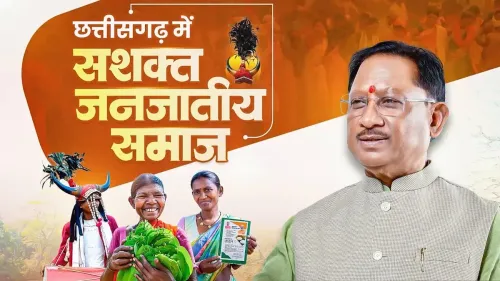
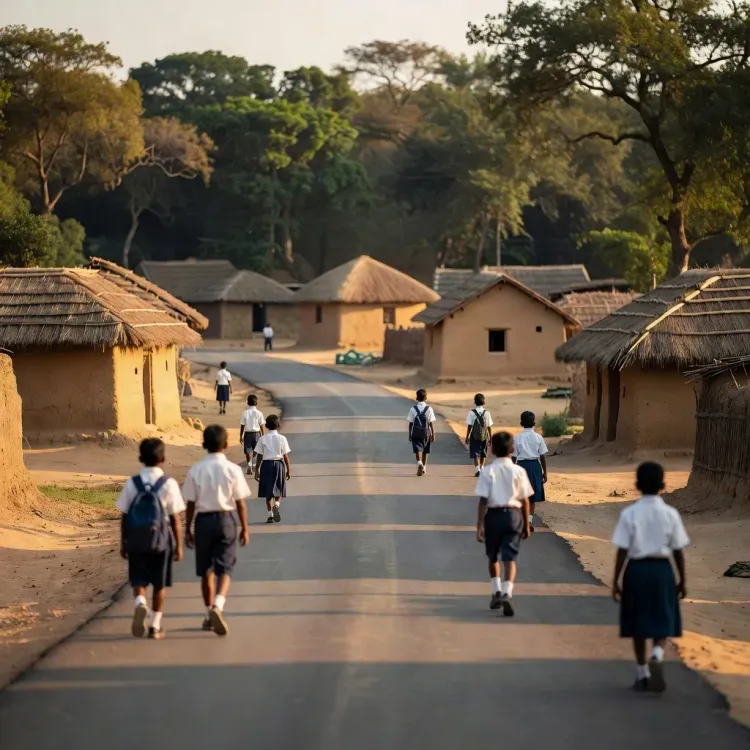
Chhattisgarh's tribal heartland — home to nearly a third of the state's population — sits at the centre of a governance promise renewed publicly on Tuesday, November 17, 2026, as Chief Minister Vishnu Deo Sai declared that his administration will expand education, healthcare, housing, roads, drinking water, and employment in tribal areas while actively protecting their cultural heritage.
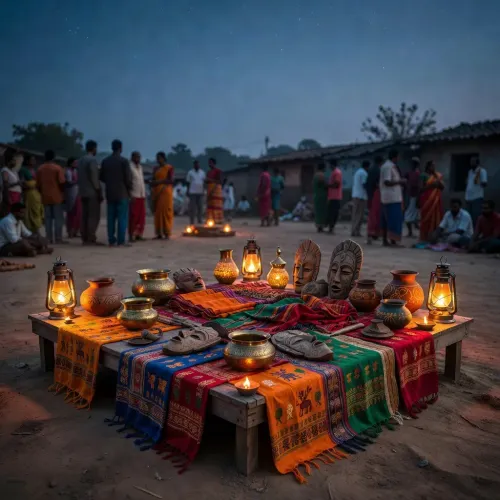
Posting in Hindi, CM Sai wrote: 'Chhattisgarh ki pehchaan uski samridh janjatiya sanskriti, parampraon aur gauravshali itihas se hai' — 'Chhattisgarh's identity is rooted in its rich tribal culture, traditions, and glorious history.' The message was direct and unambiguous: welfare delivery and cultural preservation are not competing goals but a single, unified commitment.
A State Built Around Its Tribal Identity
Chhattisgarh was carved out of Madhya Pradesh in November 2000 precisely to give a political and administrative voice to its tribal-dominant regions. Scheduled Tribes make up roughly 30 percent of the state's population, concentrated in vast forested belts that have historically lagged on basic infrastructure. That founding rationale — faster, more targeted development for communities long underserved — is the lens through which every tribal-welfare announcement from Raipur is read.
Sai, who has led the state since December 2023 following the BJP's assembly victory, has positioned his government around the phrase 'sushasan sarkar' — 'good governance government.' Tuesday's post explicitly invoked that framing, pledging that the administration is simultaneously expanding services and safeguarding heritage, not trading one for the other.
Youth, Talent, and the Promise of Equal Opportunity
The sharpest line in the post was a three-part pledge aimed squarely at the next generation: quality education for tribal youth, proper platforms for talent, and equal development opportunities for every family. This signals an intent to move beyond basic infrastructure into human-capital investment — the harder, slower work of turning connectivity and classrooms into careers.
Across central India, states with large tribal populations — Jharkhand, Odisha, and Chhattisgarh among them — have wrestled with the same challenge: building roads and schools is measurable; ensuring those schools produce competitive graduates is not. The question now is whether the state's coming budget allocations and scheme rollouts in tribal districts will give that pledge concrete weight.
The road from a governance resolve to a verifiable outcome runs through assembly budget sessions and district-level implementation reports — and those will be the real scorecard.
Point of View
The administration signals it wants to hold both the heritage vote and the development vote. The harder test will come in budget season: central India's tribal-welfare programmes have a long history of strong announcements and uneven district-level delivery. Nationally, the BJP's tribal outreach — amplified after the appointment of President Droupadi Murmu — makes Chhattisgarh a showcase state, raising the political stakes for visible, measurable outcomes.
NationPress
17 Nov 2026
Frequently Asked Questions
Who is Vishnu Deo Sai and what is his role in Chhattisgarh?
Vishnu Deo Sai is the Chief Minister of Chhattisgarh, serving since December 2023 after the BJP won the state assembly elections. He is a senior BJP leader from the state's tribal community.
What did CM Vishnu Deo Sai say about tribal development in Chhattisgarh?
He reaffirmed that his 'good governance government' is expanding education, health, housing, roads, drinking water, and employment in tribal areas while preserving Chhattisgarh's rich tribal cultural heritage.
What percentage of Chhattisgarh's population is tribal?
Scheduled Tribes make up approximately 30 percent of Chhattisgarh's total population, one of the highest proportions in central India, concentrated mainly in forested belts.
Why was Chhattisgarh formed as a separate state?
Chhattisgarh was carved out of Madhya Pradesh in November 2000 to give a focused administrative voice to its tribal-dominant regions and accelerate development in areas that had long lagged on basic infrastructure.
What is the BJP's tribal welfare strategy in central India?
BJP-ruled states with large tribal populations, including Chhattisgarh, Jharkhand, and Odisha, have pursued parallel tracks of cultural preservation and expansion of basic services, aligned with the national party's broader tribal outreach agenda.