CM Sai Promotes Ramgarh Heritage at Mahotsav 2026
Synopsis
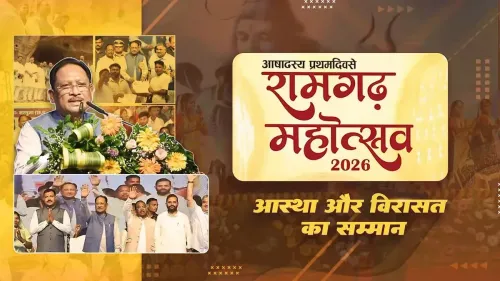
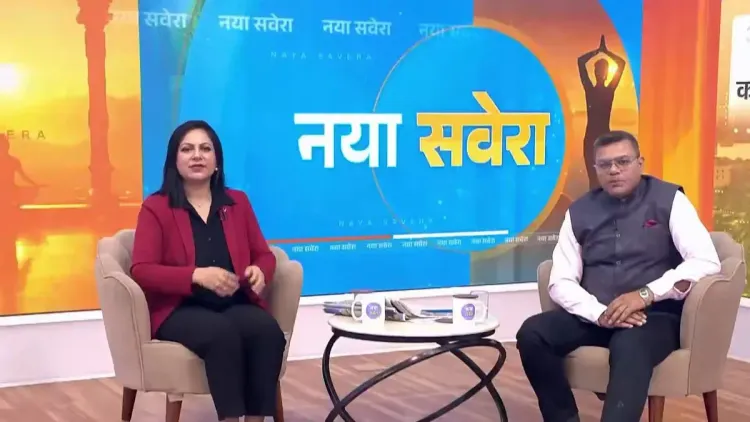
The Chhattisgarh CMO on 1 July 2026 shared a DD National special video on Ramgarh Mahotsav-2026, highlighting the site's Ramayana associations, Kalidasa's literary legacy, and the Sitabenga and Jogimara caves as India-recognised heritage landmarks.
Key Takeaways
The Chhattisgarh CMO shared a DD National special video on 1 July 2026 promoting Ramgarh Mahotsav-2026 .
Ramgarh is associated with Lord Ram's forest exile and is the traditional site of Kalidasa's composition of the Meghaduta .
The Sitabenga and Jogimara caves in Ramgarh carry Brahmi inscriptions and are regarded as among India's earliest known theatre sites.
The state has linked the festival to ambitions for national and international recognition of Ramgarh's heritage.
Chhattisgarh's promotion aligns with the central government's Swadesh Darshan Ramayana circuit, launched in 2014-15 .
Future focus areas include formal inclusion in Ministry of Tourism Ramayana circuit marketing and infrastructure investment at the site.
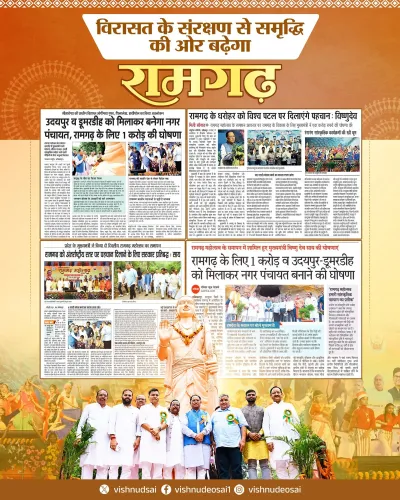
The Chief Minister's Office of Chhattisgarh on Wednesday, 1 July 2026, spotlighted Ramgarh as a living symbol of the state's cultural legacy, sharing a special DD National video tied to Ramgarh Mahotsav-2026 and calling for greater national and international recognition of the site.
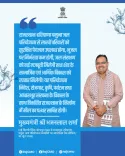
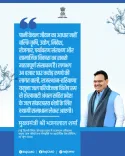
The post, attributed to the office of Chief Minister Vishnu Deo Sai, described Ramgarh as enriched by memories of Bhagwan Shriram ke vangaman (Lord Ram's forest exile), the literary legacy of Mahakavi Kalidasa, and world-renowned heritage sites such as Sitabenga and Jogimara. The CMO stated that Ramgarh Mahotsav-2026 has served as a vehicle to give this historical heritage 'a new identity at the national and international level.'
Context
Ramgarh, located in northern Chhattisgarh, is home to ancient rock shelters and caves associated with episodes from the Ramayana. The site holds particular significance because classical Sanskrit poet Kalidasa is traditionally linked to literary activity here — specifically, the composition of the Meghaduta. The Sitabenga and Jogimara caves carry Brahmi inscriptions and are cited by scholars as among the earliest known theatre sites in India, lending the region a rare dual identity as both an epic and a literary landmark.Policy Backdrop
Chhattisgarh, formed as a separate state in November 2000, has run successive heritage festivals to showcase sites connected to the Ramayana. At the national level, the Ministry of Tourism's Swadesh Darshan scheme, launched in 2014-15, identified Ramayana circuit sites across central India, including locations in Chhattisgarh, as priority tourism corridors. The CMO's amplification of a DD National special broadcast — the public broadcaster's platform for state heritage features — reflects a pattern of coordinated state-centre messaging on cultural tourism.Stakeholders and Impact
The immediate beneficiaries of sustained Ramgarh promotion are cultural tourists and local communities in and around the Ramgarh region, who stand to gain from increased footfall and the economic activity it generates. Indian states have increasingly branded heritage locations connected to the Ramayana and Mahabharata as tourism products to drive employment and regional development. Chhattisgarh's approach — linking ancient literary and epic associations to contemporary state branding through festivals and public media — mirrors the broader central government emphasis on cultural diplomacy and domestic tourism circuits since 2014.What's Next
Attention will now turn to whether Chhattisgarh secures a formal inclusion of Ramgarh in national Ramayana circuit marketing by the Ministry of Tourism, and what state budget allocations follow for tourism infrastructure at the site. The Mahotsav-2026 moment, amplified by a national public broadcaster, positions the state government to press for that recognition in upcoming policy cycles. A successful push could set a template for other Ramayana-linked heritage sites across central India seeking similar national visibility.Point of View
The government is broadening the site's appeal beyond pilgrimage tourism toward literary and archaeological audiences. This dual branding — sacred geography plus classical literature — gives Chhattisgarh a differentiated pitch as it competes with better-known Ramayana circuit destinations in Uttar Pradesh and Andhra Pradesh. The move also signals that Chief Minister Vishnu Deo Sai's administration is treating cultural heritage as an economic development lever, not merely a ceremonial talking point.
NationPress
1 Jul 2026
Frequently Asked Questions
What is Ramgarh Mahotsav 2026?
Ramgarh Mahotsav-2026 is a cultural festival organised by the Chhattisgarh government to promote the heritage of Ramgarh, a site associated with Lord Ram's forest exile and the literary legacy of Sanskrit poet Kalidasa.
Why is Ramgarh important in Chhattisgarh?
Ramgarh in northern Chhattisgarh contains ancient rock shelters linked to the Ramayana, the Sitabenga and Jogimara caves with Brahmi inscriptions considered among India's earliest theatre sites, and a traditional association with Kalidasa's composition of the Meghaduta.
What are the Sitabenga and Jogimara caves?
Sitabenga and Jogimara are protected ancient caves in Ramgarh, Chhattisgarh, featuring Brahmi inscriptions. They are cited by scholars as among the earliest known theatre sites in India.
What is the Swadesh Darshan scheme and does it cover Chhattisgarh?
Swadesh Darshan is a Ministry of Tourism scheme launched in 2014-15 to develop thematic tourism circuits across India, including a Ramayana circuit that covers sites in Chhattisgarh such as those linked to Lord Ram's forest exile.
Who is Vishnu Deo Sai?
Vishnu Deo Sai is the Chief Minister of Chhattisgarh and is leading the state government's push to promote cultural and heritage tourism, including the Ramgarh Mahotsav-2026 initiative.