Rajasthan CMO backs Rs 34,102 cr Yamuna water project for Shekhawati
Synopsis
The Rajasthan CMO has announced the Rs 34,102 crore Rajasthan-Haryana Yamuna Water Project, promising a permanent end to water scarcity in the Shekhawati region and other drought-hit districts of the state. The project builds on a 1994 interstate MOU and marks a major bilateral infrastructure push under CM Bhajanlal Sharma.
Key Takeaways
The Chief Minister's Office of Rajasthan announced the Rajasthan-Haryana Yamuna Water Project on 1 July 2026 .
The project is estimated to cost approximately Rs 34,102 crore .
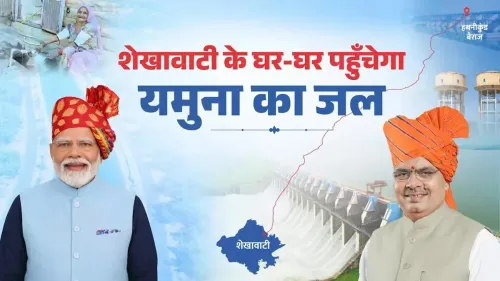
It specifically targets water-scarce areas including the Shekhawati region — covering Sikar, Jhunjhunu and Churu districts.
The announcement was made under the leadership of Chief Minister Bhajanlal Sharma , who has headed the BJP government in Rajasthan since December 2023 .
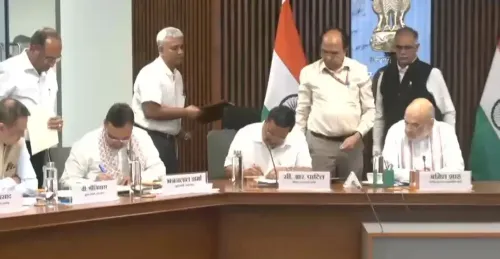
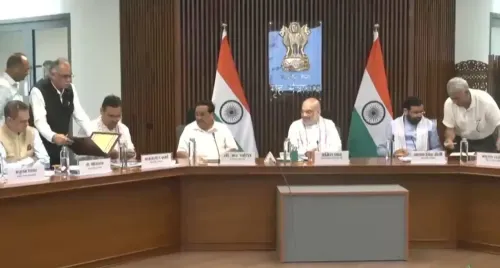
The project builds on a 1994 MOU among Yamuna basin states allocating water shares for irrigation and drinking purposes.
Key next steps include finalising DPRs , a cost-sharing formula between the two states, and securing environmental and interstate clearances.
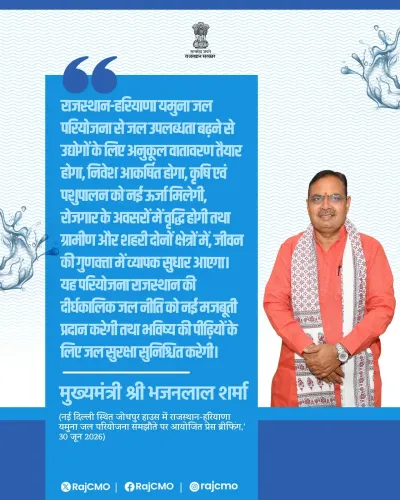
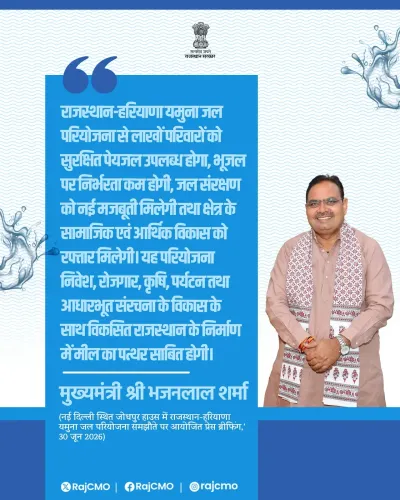
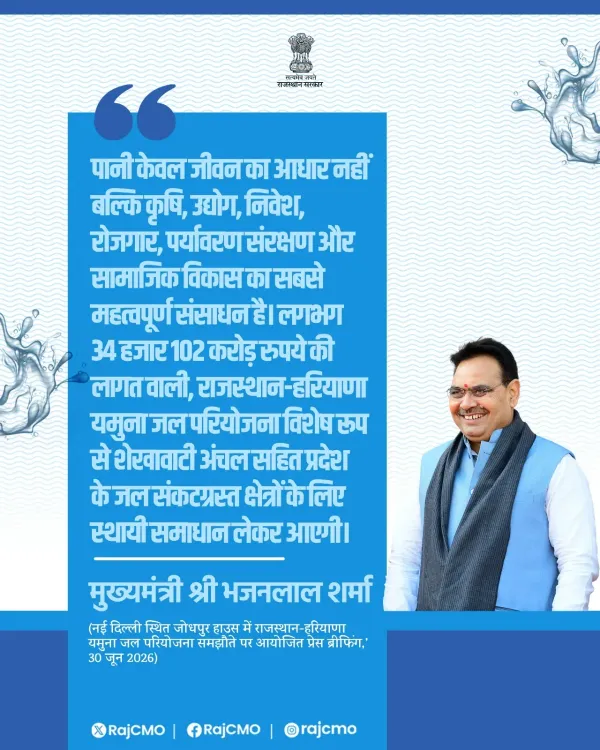
The Chief Minister's Office of Rajasthan announced on Wednesday, 1 July 2026 that the Rajasthan-Haryana Yamuna Water Project, estimated at a cost of approximately Rs 34,102 crore, will deliver a permanent solution to water scarcity in the state's most drought-affected regions, with special focus on the Shekhawati belt.
Context
The CMO's post, tagging Chief Minister Bhajanlal Sharma and carrying the hashtag #आपणो_अग्रणी_राजस्थान ('Our Leading Rajasthan'), described the project as bringing 'स्थायी समाधान' — a permanent solution — to water-crisis-hit areas of the state. The announcement frames the project as a centrepiece of the BJP government's development agenda in Rajasthan, which has been in power since December 2023.
The Shekhawati region, encompassing the districts of Sikar, Jhunjhunu and Churu in northern Rajasthan, has historically suffered from acute groundwater depletion and erratic rainfall, severely impacting both agriculture and daily water needs of residents.
Policy Backdrop
The project builds on a long lineage of interstate water-sharing agreements. A 1994 Memorandum of Understanding among Yamuna basin states, including Rajasthan and Haryana, had allocated river water shares for irrigation and drinking purposes, laying the legal groundwork for bilateral cooperation of this kind.
Indian states in the arid and semi-arid west have increasingly pursued joint canal and lift-irrigation schemes to address structural water deficits. The Rajasthan-Haryana collaboration on Yamuna flows represents a continuation of this national pattern of addressing regional water imbalances through interstate infrastructure partnerships.
Stakeholders and Impact
The primary beneficiaries identified are farmers and residents across water-stressed districts of Rajasthan, with the Shekhawati belt receiving explicit mention. For communities in Sikar, Jhunjhunu and Churu, where agriculture depends heavily on depleting groundwater, a surface-water supply project of this scale could transform both livelihoods and domestic water security.
The scale of investment — approximately Rs 34,102 crore — signals a significant fiscal commitment. The cost-sharing arrangement between Rajasthan and Haryana, along with required environmental and interstate regulatory clearances, will be critical determinants of the project's pace and execution.
What's Next
Key milestones to watch include the release of detailed Detailed Project Reports (DPRs), finalisation of the cost-sharing formula between the two state governments, and clearances from relevant environmental and inter-state river water authorities. Progress on these fronts will determine whether the project's ambition translates into ground-level infrastructure within a defined timeline.
If executed as envisioned, the Rajasthan-Haryana Yamuna Water Project could set a template for large-scale bilateral water infrastructure in India's water-stressed western states, with implications well beyond Rajasthan's borders.
Point of View
Positioning CM Bhajanlal Sharma's government as a deliverer of large-scale infrastructure to chronically under-served, arid constituencies ahead of future electoral cycles. Shekhawati's water crisis has been a persistent grievance in northern Rajasthan, making it a high-visibility target for the BJP government. The Rs 34,102 crore price tag and the bilateral framing with Haryana — also a BJP-governed state — suggest a coordinated political and administrative push. However, the project's credibility will ultimately rest on the speed of DPR finalisation, inter-state cost-sharing negotiations, and environmental approvals, all of which have historically been bottlenecks for similar schemes in India.
NationPress
1 Jul 2026
Frequently Asked Questions
What is the Rajasthan-Haryana Yamuna Water Project?
The Rajasthan-Haryana Yamuna Water Project is a proposed bilateral infrastructure scheme estimated at approximately Rs 34,102 crore, aimed at supplying Yamuna river water to drought-prone and water-scarce districts of Rajasthan, particularly the Shekhawati region covering Sikar, Jhunjhunu and Churu.
Which areas will benefit from the Yamuna water project in Rajasthan?
The project is specifically designed to benefit water-stressed areas of Rajasthan, with special emphasis on the Shekhawati region — comprising Sikar, Jhunjhunu and Churu districts — which has historically faced severe groundwater depletion and unreliable rainfall.
What is the cost of the Rajasthan-Haryana Yamuna Water Project?
The project is estimated to cost approximately Rs 34,102 crore, as announced by the Chief Minister's Office of Rajasthan on 1 July 2026.
Who is the Chief Minister of Rajasthan in 2026?
Bhajanlal Sharma is the Chief Minister of Rajasthan, heading the BJP government in the state since December 2023.
What is the legal basis for Rajasthan receiving Yamuna water?
A 1994 Memorandum of Understanding among Yamuna basin states, including Rajasthan and Haryana, allocated river water shares for irrigation and drinking purposes, providing the foundational interstate agreement for bilateral water projects like this one.