CM Sai Views Rare Manuscripts at Kondagaon Village
Synopsis
Chhattisgarh Chief Minister Vishnu Deo Sai visited Gram Panchayat Badekanera in Kondagaon on 1 June 2026 under Sushasan Tihar to view rare 150-year-old Odia-language manuscripts, linking their conservation to PM Modi's Gyan Bharatam national manuscript survey and digitisation campaign.
Key Takeaways
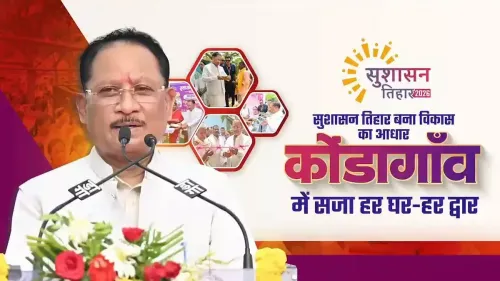
CM Vishnu Deo Sai visited Gram Panchayat Badekanera, Kondagaon on 1 June 2026 as part of the Sushasan Tihar outreach programme.
Manuscripts viewed are estimated to be approximately 150 years old and include Panji, Puranas and Panchang texts written in the Odia language .
Conservation and digitisation of these texts is being undertaken under the Gyan Bharatam Rashtriya Pandulip Survey Abhiyan , a central government initiative.
The campaign builds on the National Mission for Manuscripts launched in February 2003 , aimed at preserving India's estimated 40 million manuscripts .
Kondagaon district has documented manuscript traditions linked to its significant tribal population and Odia cultural heritage.
District-level survey reports and integration into the national digital library portal are the expected next steps for the Badekanera manuscripts.
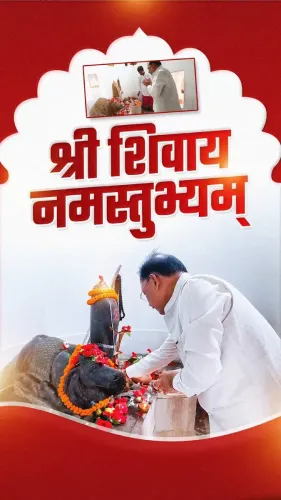
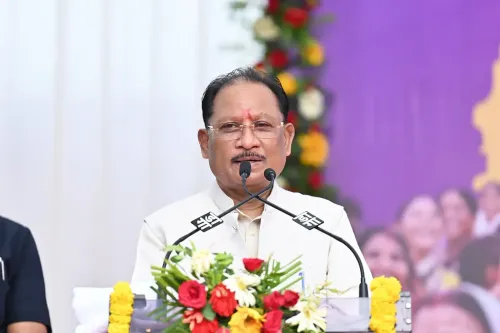
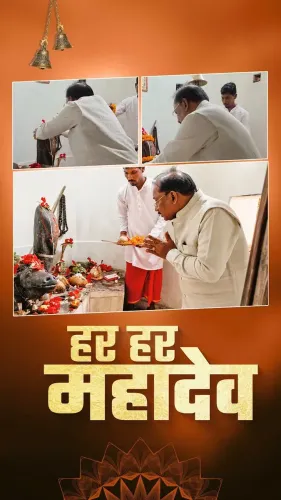
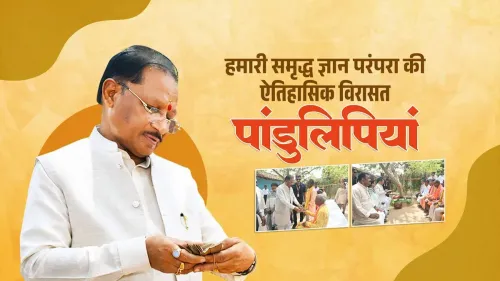
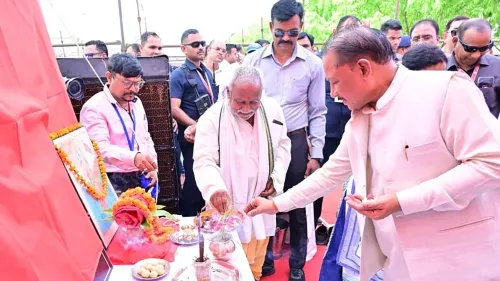
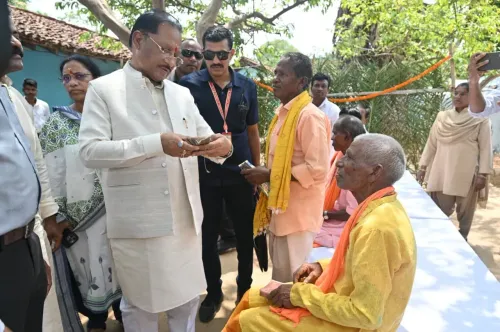
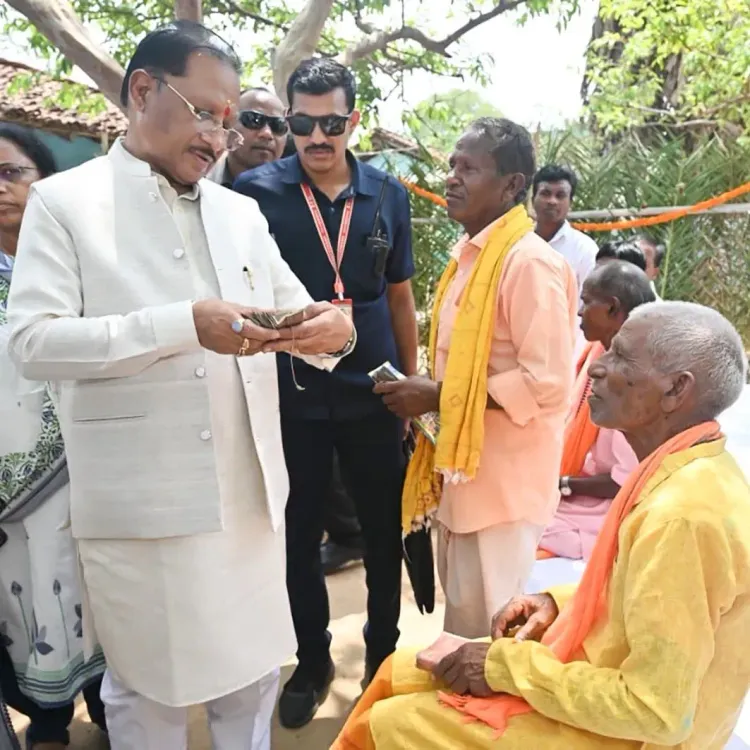
Chhattisgarh Chief Minister Vishnu Deo Sai on Monday, 1 June 2026, viewed rare manuscripts estimated to be around 150 years old at Gram Panchayat Badekanera in Kondagaon district during the state's ongoing Sushasan Tihar outreach programme, highlighting the region's deep-rooted manuscript traditions written in the Odia language.
Context
Sharing the visit on social media, CM Sai wrote that the occasion gave him a chance to connect with the state's rich knowledge tradition and cultural heritage. 'पंजी, पुराण, पंचांग सहित उड़िया भाषा में लिखित ये अमूल्य पांडुलिपियां' ['These priceless manuscripts — including Panji, Puranas and Panchang — written in the Odia language'], he noted, are a living heritage of the wisdom, cultural consciousness and life-philosophy of ancestors.
Kondagaon, a district in northern Chhattisgarh with significant tribal populations, has documented manuscript traditions in Odia and local languages, making the Badekanera find consistent with the area's known cultural heritage. The manuscripts include religious and almanac texts that reflect centuries of local scholarly activity.
Policy Backdrop
CM Sai linked the conservation of these texts to the 'Gyan Bharatam Rashtriya Pandulip Survey Abhiyan', a central government initiative promoted under Prime Minister Narendra Modi, under which rare manuscripts across India are being surveyed, conserved and digitised. The Chief Minister described it as 'an important and far-sighted effort to safeguard our glorious heritage and pass it on to the new generation.'
This national campaign builds on the National Mission for Manuscripts, a Ministry of Culture programme launched in February 2003 to locate, catalogue and preserve India's estimated 40 million manuscripts. Digitisation guidelines issued subsequently aimed at building a national database of rare texts. The Gyan Bharatam campaign represents the current phase of that broader archival effort.
Stakeholders and Impact
The manuscripts at Badekanera are of direct significance to heritage researchers, custodians of Odia manuscript traditions, and Chhattisgarh's tribal communities, who retain oral and written knowledge systems that are not widely documented. Digitisation under the national survey would make these texts accessible to scholars and the general public through a central digital archive.
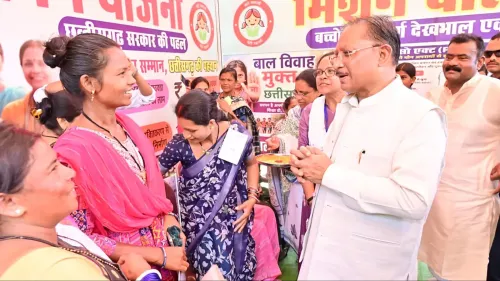
Sushasan Tihar — the state's governance outreach programme — has increasingly served as a platform to surface such local cultural assets and connect them with central government schemes. The Badekanera visit is illustrative of how field-level discovery and national policy frameworks are being aligned to prevent further physical deterioration of irreplaceable texts.
What's Next
The immediate step would be formal documentation and inclusion of the Badekanera manuscripts in the district-level survey reports under the Gyan Bharatam campaign. Once catalogued, the texts are expected to undergo digitisation and potential integration into the national digital library portal, making them accessible beyond Chhattisgarh.
The visit signals that the state government intends to use future Sushasan Tihar rounds to identify further undocumented manuscript repositories across Chhattisgarh's culturally diverse districts, potentially expanding the scope of the national survey in the region.
Point of View
Using Sushasan Tihar as a discovery mechanism for assets that feed directly into the Modi government's manuscript digitisation agenda. For the BJP-led Chhattisgarh government, surfacing Odia-language manuscripts in a tribal district also carries symbolic weight — it affirms a civilisational continuity narrative that both state and central leadership have consistently deployed. The broader pattern is clear: field outreach programmes are no longer just administrative review exercises but active cultural inventory drives. Whether the manuscripts actually move swiftly through the digitisation pipeline will be the real test of whether this visit produces archival outcomes or remains a well-documented photo opportunity.
NationPress
16 Oct 2026
Frequently Asked Questions
What is Sushasan Tihar in Chhattisgarh?
Sushasan Tihar is a Chhattisgarh state outreach programme under which ministers and officials visit villages to review governance delivery and engage with local cultural and developmental sites.
What is the Gyan Bharatam Rashtriya Pandulip Survey Abhiyan?
It is a central government campaign to survey, conserve and digitise ancient Indian manuscripts across states, promoted under Prime Minister Narendra Modi's administration as part of India's broader cultural heritage preservation effort.
What manuscripts were found at Badekanera in Kondagaon?
The manuscripts found at Gram Panchayat Badekanera include Panji, Puranas and Panchang texts written in the Odia language, estimated to be around 150 years old.
What is the National Mission for Manuscripts?
The National Mission for Manuscripts is a Ministry of Culture programme launched in February 2003 to locate, catalogue and preserve India's estimated 40 million manuscripts, providing the policy foundation for current digitisation drives.
Why does Kondagaon have Odia-language manuscripts?
Kondagaon district in northern Chhattisgarh has significant tribal populations with documented manuscript traditions in Odia and local languages, reflecting historical cultural and linguistic connections with the Odia-speaking world.