CM Sai Reviews Welfare Schemes in Kondagaon Village
Synopsis
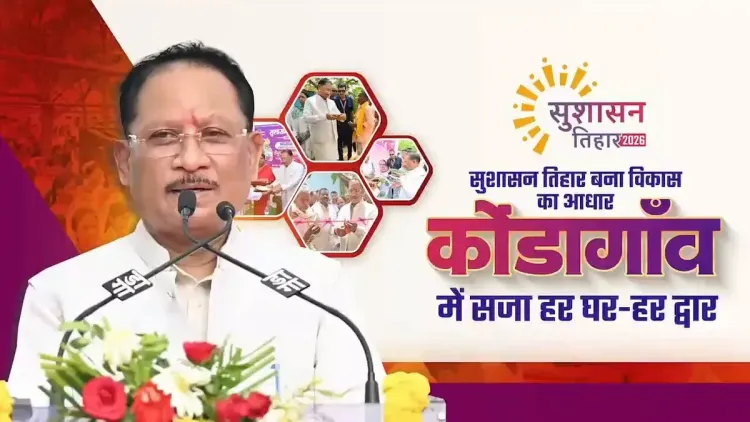
Chief Minister Vishnu Deo Sai visited Badekaner village in Kondagaon on 2 June 2026 during Sushasan Tihar 2026, reviewing Anganwadi services, Lakhpati Didi progress and pucca housing, calling public trust the foundation of his government's governance agenda.
Key Takeaways
CM Vishnu Deo Sai visited village Badekaner, Kondagaon on 2 June 2026 as part of Sushasan Tihar 2026 .
He reviewed Anganwadi child-care services, the Lakhpati Didi women's livelihood scheme, and pucca housing beneficiaries during the visit.
The CM highlighted preservation of palm-leaf cultural heritage as part of a development model that retains tribal identity.
The Lakhpati Didi initiative targets women's self-help groups to cross an annual household income of one lakh rupees .
Kondagaon is a tribal-majority district in the Bastar region, a key constituency in the BJP's December 2023 election win.
Further district-level phases of Sushasan Tihar 2026 are expected across Chhattisgarh.
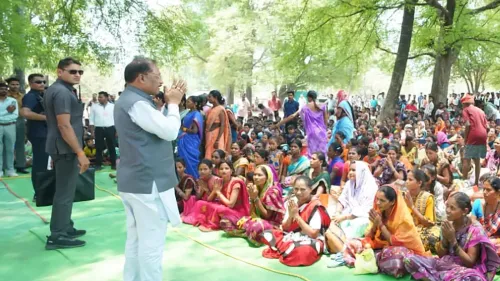
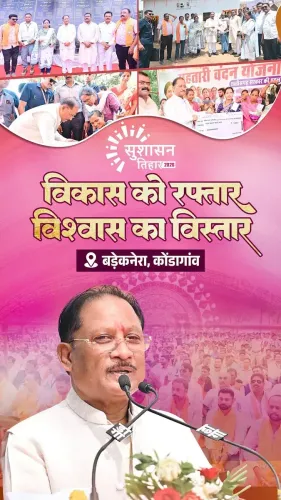
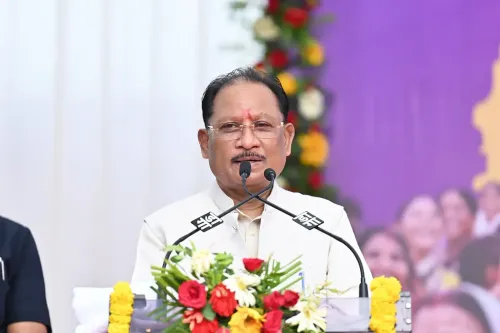
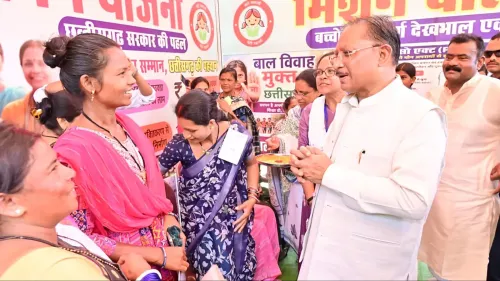
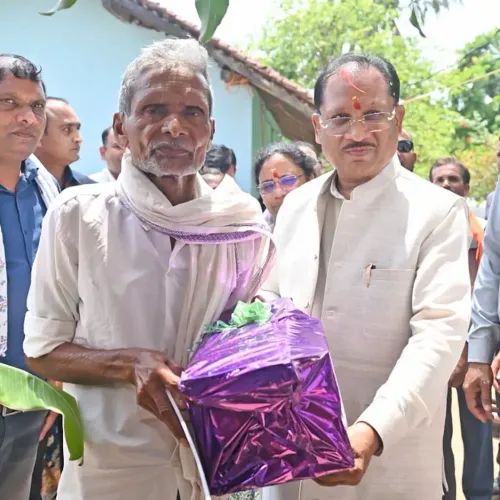
Chhattisgarh Chief Minister Vishnu Deo Sai on Tuesday, 2 June 2026, visited village Badekaner in Kondagaon district as part of the ongoing Sushasan Tihar 2026, reviewing welfare scheme implementation and meeting residents in a direct public-outreach exercise.
Context
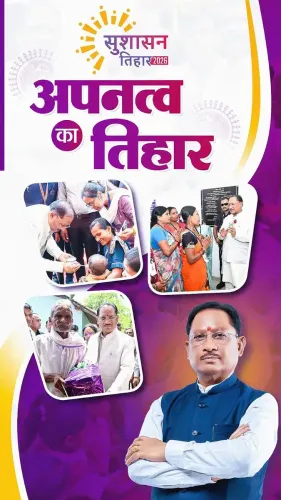
Posting on X, CM Sai described the visit as a moment of close interaction with ordinary citizens — 'aatmiya mulakat' (heartfelt meeting) — during which he observed the progress of various government programmes. He noted the smiles of children at the Anganwadi centre, the confidence of Lakhpati Didis, the joy of families moving into newly built pucca homes, and the preservation of local cultural heritage recorded on palm leaves as visible signs of a 'developed and self-reliant Chhattisgarh.'
The Chief Minister said that 'the growing trust of the public from the positive changes in their lives is the foundation of our good-governance government,' directly linking citizen welfare outcomes to political accountability.
Policy Backdrop
The Sushasan Tihar — literally 'Good Governance Festival' — is an annual field-review programme in which senior state officials and elected representatives visit villages to assess on-ground delivery of welfare schemes and hear public grievances directly. The BJP government in Chhattisgarh, which came to power in December 2023 after winning the state assembly elections, has positioned the festival as a signature accountability exercise.
The Lakhpati Didi initiative targets women in self-help groups, supporting livelihood activities to help households cross an annual income threshold of one lakh rupees. The Anganwadi network, part of India's Integrated Child Development Services, provides nutrition and early childhood education to young children in rural areas. Housing for the visit's beneficiaries aligns with the Pradhan Mantri Awas Yojana, which has run saturation drives in Chhattisgarh's tribal districts.
Kondagaon is a tribal-majority district in the Bastar region, historically associated with both cultural richness and developmental challenges, making it a significant location for demonstrating welfare reach.
Stakeholders and Impact
The primary beneficiaries highlighted in the CM's post are rural women enrolled under Lakhpati Didi, tribal families who have received pucca housing, and young children enrolled in Anganwadi centres. The reference to palm-leaf manuscripts as cultural heritage signals an effort to frame development as complementary to, rather than displacing, local tribal identity.
The broader pattern reflects the state government's strategy of conducting high-visibility grassroots outreach in tribal districts — a constituency that was central to the BJP's 2023 electoral gains in Chhattisgarh — and using documented welfare outcomes to build a governance narrative ahead of future political cycles.
What's Next
The Sushasan Tihar 2026 is expected to continue across other districts of Chhattisgarh, with further field reviews of scheme delivery at the village level. Observers will watch for state budget announcements on scaling the Lakhpati Didi programme and expanding housing targets in tribal districts, as the government seeks to translate grassroots visibility into measurable policy outcomes.
Point of View
Lakhpati Didis and pucca home recipients in the same frame as palm-leaf cultural heritage, the government is crafting a dual narrative: material progress and cultural continuity, the two pillars of BJP's tribal outreach. This mirrors governance-festival models run in other BJP states, where field visits serve simultaneously as accountability audits and campaign groundwork. The emphasis on 'growing public trust' as the government's foundation signals that welfare optics will remain central to the party's Chhattisgarh strategy well ahead of the next electoral cycle.
NationPress
16 Sept 2026
Frequently Asked Questions
What is Sushasan Tihar in Chhattisgarh?
Sushasan Tihar, meaning 'Good Governance Festival,' is an annual Chhattisgarh government programme in which senior officials and leaders visit villages to review welfare scheme delivery and interact directly with citizens.
What is the Lakhpati Didi scheme?
Lakhpati Didi is a state initiative that supports women enrolled in self-help groups through livelihood activities, with the goal of helping their households earn at least one lakh rupees annually.
Why did CM Vishnu Deo Sai visit Kondagaon?
CM Vishnu Deo Sai visited village Badekaner in Kondagaon on 2 June 2026 as part of Sushasan Tihar 2026 to review the on-ground implementation of welfare schemes including Anganwadi, Lakhpati Didi and pucca housing.
What is Kondagaon known for?
Kondagaon is a tribal-majority district in Chhattisgarh's Bastar region, known for its indigenous cultural traditions, including palm-leaf manuscript heritage, and for being a focus area of rural welfare programmes.
When did the BJP form the government in Chhattisgarh?
The BJP formed the government in Chhattisgarh in December 2023 after winning the state assembly elections, with Vishnu Deo Sai sworn in as Chief Minister.