CM Sai Govt Backs Jashpur Tea Farming for Tribal Women
Synopsis
The Chhattisgarh CMO on 28 May 2026 spotlighted Jashpur district's tea cultivation programme as a model of rural transformation, crediting CM Vishnu Deo Sai's horticulture push with generating jobs for tribal women and diversifying farmer incomes in one of the state's remotest regions.
Key Takeaways
The Chhattisgarh CMO on 28 May 2026 promoted Jashpur district's tea cultivation as a symbol of rural transformation and new opportunities for tribal communities.
The initiative began as a pilot project around 2015–2016 under the state horticulture department to test tea's viability in Jashpur's upland climate.
Tribal women are identified as the primary employment beneficiaries of the tea cultivation programme.
CM Vishnu Deo Sai , in office since December 2023 , has made agricultural diversification into high-value horticulture a central plank of his rural-development agenda.
Chhattisgarh's approach mirrors similar state-led crop-diversification pilots in Odisha and Jharkhand targeting tribal smallholders.
Future milestones to watch include area expansion, local tea-processing units, and integration with the Mission for Integrated Development of Horticulture .
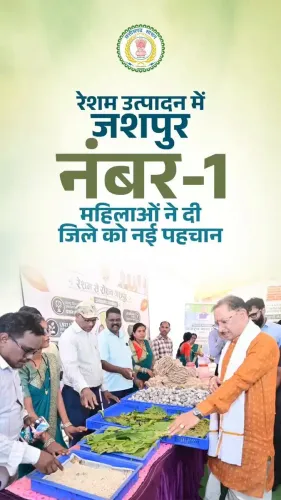
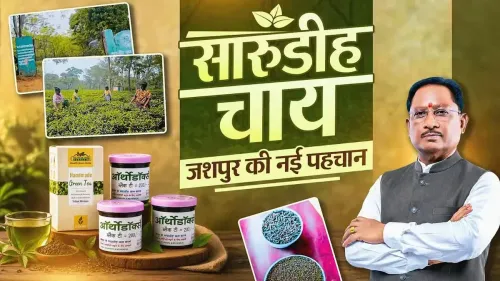
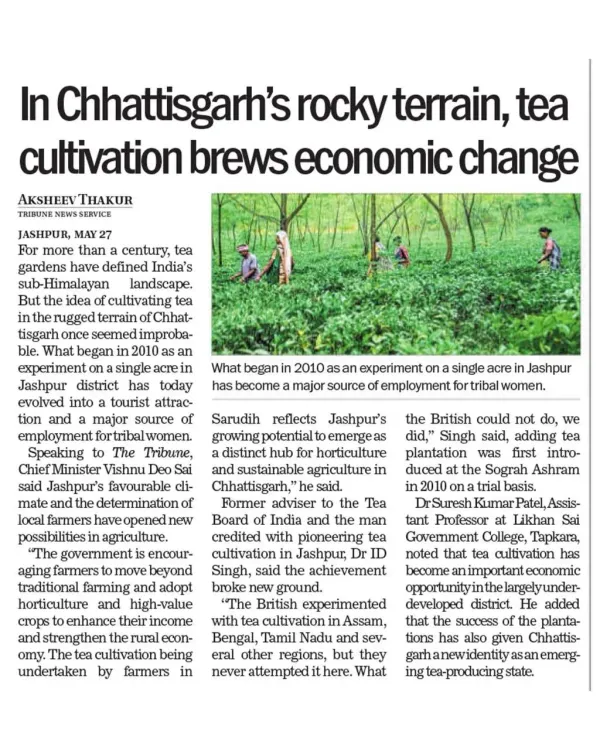
The Chief Minister's Office of Chhattisgarh on Thursday, 28 May 2026, highlighted how tea cultivation in Jashpur district has grown from a small pilot into a driver of rural transformation, generating employment for tribal women and diversifying farmer incomes across one of the state's most remote northern districts.
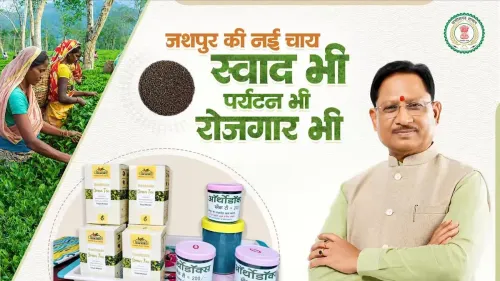
The official post described Jashpur's tea cultivation story as 'a symbol of new opportunities and rural transformation in Chhattisgarh,' crediting the initiative with creating jobs for tribal women, strengthening farmers' incomes, and giving the region 'a new identity.' The post attributed the push to the 'visionary leadership' of Chief Minister Vishnu Deo Sai, under whom the government has been encouraging farmers toward horticulture and high-value crops to ensure growth reaches the remotest corners of the state.
Context
Tea is not a crop traditionally associated with Chhattisgarh, a state formed in 2000 whose agrarian economy has long depended on rice cultivation, forest produce, and mineral extraction. Jashpur, a northern district with a predominantly tribal population, was identified by the state horticulture department as a candidate for tea pilot plantations around 2015–2016, when officials began testing whether the region's upland climate could support the crop commercially. What began as an experimental programme has since evolved into a model the government is now actively promoting as proof that high-value horticulture can take root in tribal belts.Policy Backdrop
Chief Minister Vishnu Deo Sai, who took office in December 2023 as the BJP government's choice to lead the state, has placed agricultural diversification at the centre of his rural-development agenda. The broader policy logic mirrors efforts in neighbouring states: central Indian governments in Odisha and parts of Jharkhand have similarly run state-led pilots linking smallholders — particularly women — to organised value chains for specialty crops such as tea, coffee, and spices. These programmes aim to reduce dependence on subsistence paddy farming and on forest resources, offering tribal households a route into commercially viable agriculture. Chhattisgarh's Jashpur initiative fits squarely within this regional pattern, with the state horticulture department acting as the primary facilitating agency.Stakeholders and Impact
The most direct beneficiaries highlighted by the government are tribal women in Jashpur, who have found employment across the tea cultivation cycle — from plantation maintenance to leaf plucking. For farming households more broadly, high-value horticulture crops like tea offer the prospect of income that paddy alone cannot provide, especially on upland terrain less suited to wetland rice. The CMO's framing — that the experiment has given the region 'a new identity' — signals that the government views Jashpur's tea story as a replicable template for other tribal districts rather than an isolated local success.What's Next
The immediate questions for the programme's future involve scale and infrastructure. Analysts tracking Chhattisgarh's horticulture push will watch for announcements on area-expansion targets for tea in Jashpur and potentially other upland districts, the establishment of local tea-processing units to add value before the crop reaches market, and the integration of these efforts with central government schemes such as the Mission for Integrated Development of Horticulture. How prominently tea cultivation features in upcoming state budgets will be a key indicator of whether the government intends to move from pilot to mainstream policy. If processing infrastructure follows, Jashpur's tea could eventually find a place in premium domestic and export markets, giving tribal farmers a durable stake in a growing sector.Point of View
The BJP-led government is weaving a social-equity narrative into what is fundamentally an agrarian-economy story, a framing that resonates with both development funders and voters in scheduled-tribe constituencies. The post also fits a wider pattern among central Indian states competing to showcase specialty-crop breakthroughs as proof of governance effectiveness. The real test will come when the government moves from communication to capital — announcing processing infrastructure and budget allocations that can sustain Jashpur's tea economy beyond the pilot phase.
NationPress
24 Sept 2026
Frequently Asked Questions
What is the Jashpur tea cultivation project in Chhattisgarh?
The Jashpur tea cultivation project is a state horticulture initiative that began as a pilot around 2015–2016 to test whether tea could be grown commercially in Jashpur district's upland terrain. It has since expanded to generate employment for tribal women and diversify farmer incomes in the region.
How has tea farming helped tribal women in Jashpur?
Tribal women in Jashpur have found employment across the tea cultivation cycle, including plantation maintenance and leaf plucking, giving them a source of income beyond subsistence farming and forest-based livelihoods.
What is CM Vishnu Deo Sai's agriculture policy for Chhattisgarh?
Chief Minister Vishnu Deo Sai, in office since December 2023, has prioritised agricultural diversification into high-value horticulture and specialty crops to raise rural incomes and ensure development reaches the state's remotest tribal areas.
Is tea traditionally grown in Chhattisgarh?
No, tea is not a traditional crop in Chhattisgarh, which has historically relied on rice, forest produce, and minerals. The Jashpur pilot was launched to test whether the district's upland climate could support tea cultivation commercially.
What are the next steps for Chhattisgarh's tea cultivation programme?
Key developments to watch include expansion of the cultivation area, establishment of local tea-processing units in Jashpur, and integration of the programme with central schemes such as the Mission for Integrated Development of Horticulture in upcoming state budgets.