CM Sai Quotes PM Modi, Slams Congress on Reforms
Synopsis
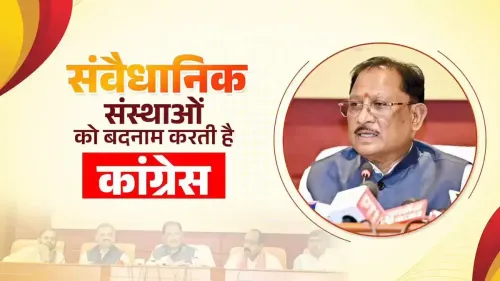
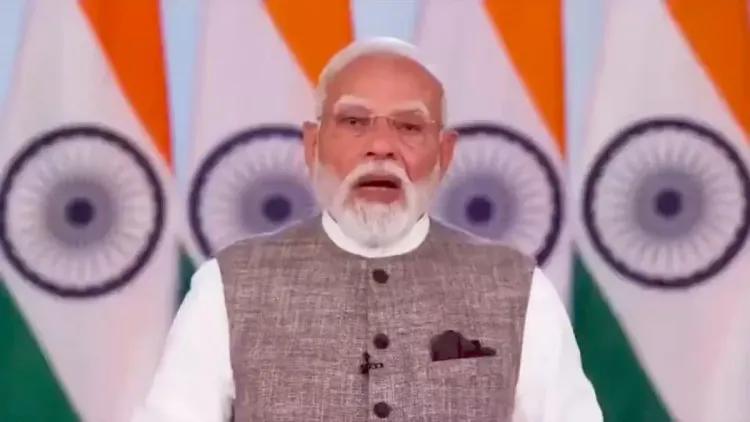
Chhattisgarh CM Vishnu Deo Sai amplified a quote from PM Narendra Modi on October 6, 2026, accusing Congress of systematically opposing key reforms including One Nation One Election, infiltrator removal, and SIR, calling it a pattern of 'lies and confusion.'
Key Takeaways
CM Vishnu Deo Sai posted a quote attributed to PM Narendra Modi on October 6, 2026 , attacking Congress's stance on reforms.
The BJP accuses Congress of opposing One Nation, One Election , the removal of illegal infiltrators, and SIR .
PM Modi is quoted saying Congress's approach is to 'lie and spread confusion' whenever a reform is introduced.
The post frames Congress's opposition not as isolated decisions but as a consistent, deliberate pattern of obstruction .
CM Sai sharing the quote from his own account signals a coordinated state-level push to amplify the national BJP message in Chhattisgarh .
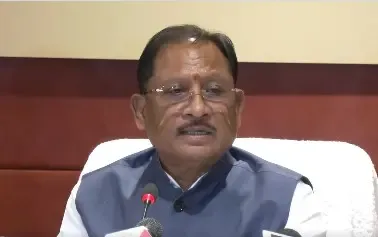
Every time a reform lands on India's political table, Chhattisgarh Chief Minister Vishnu Deo Sai says, the Congress party reaches for its protest banner — not its policy brief. On Tuesday, October 6, 2026, CM Sai shared a pointed quote attributed to Prime Minister Narendra Modi that crystallises the BJP's core charge against the opposition: that Congress reflexively obstructs every measure designed to strengthen the nation.
The Three-Reform Charge Sheet
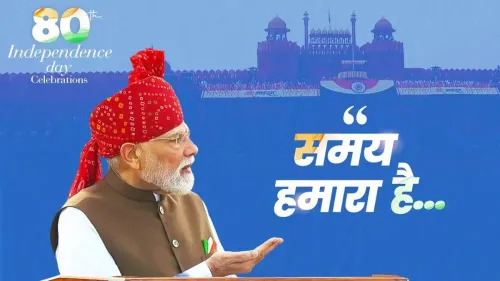
The quote, attributed to PM Modi, names three specific fronts. According to CM Sai's post, the Prime Minister said: 'Koi bhi kaam, jisse desh mazboot hota hai, Congress usmein badhaen khadi karne ke liye poori shakti laga deti hai' — 'Any work that strengthens the country, Congress throws its full weight into obstructing it.'
The post identifies three specific reforms where this alleged pattern plays out. First, One Nation, One Election — the BJP's flagship proposal to synchronise Lok Sabha and state assembly polls into a single electoral cycle, which the Congress has opposed on constitutional and federal grounds. Second, the push to expel illegal infiltrators — a charged policy debate that has sharply divided political opinion across the country. Third, SIR — an acronym cited in the post whose full form is not specified in the source material.
BJP's 'Lie and Create Confusion' Accusation
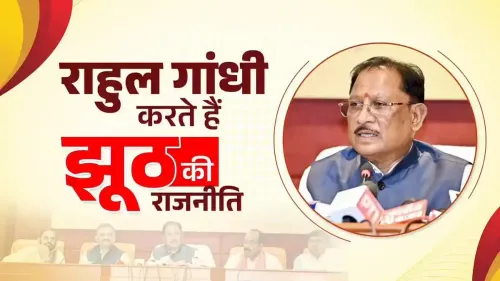
The sharpest line in the attributed quote is the one that frames Congress's entire reform-era conduct as a method, not just a stance. 'Koi bhi reform aaye, jhooth bolo, bhram failao' — 'Whenever any reform comes, lie about it, spread confusion.' The BJP has deployed this framing repeatedly to pre-empt opposition criticism of its legislative agenda, casting dissent as deliberate disinformation rather than legitimate political contestation.
CM Sai's decision to amplify the quote via his own handle — rather than simply retweeting the Prime Minister — signals a coordinated messaging effort from the BJP's state leadership to drive the national narrative down to the grassroots level in Chhattisgarh.
A Pattern the BJP Wants Voters to See
The post's political architecture is deliberate: it does not attack a single Congress decision in isolation but argues for a systemic 'pattern' — a word used explicitly in the quote. For the BJP, packaging opposition resistance as an unbroken historical habit is far more potent than relitigating any one policy. It asks voters not just to assess the present dispute but to recognise a recurring character.
Congress has not yet responded to this specific post. But the party's broader counter-argument on reforms like One Nation, One Election has centred on federal autonomy, constitutional validity, and the logistical burden on election machinery — objections it frames as principled, not obstructionist.
Whether the voter ultimately agrees with the BJP's 'pattern' charge or the Congress's 'principled opposition' defence may be the defining frame of the next electoral cycle — and both parties know it.
Point of View
The party ensures the message percolates through regional media ecosystems beyond Delhi. The explicit naming of three distinct reform domains — electoral, immigration, and the SIR — suggests a coordinated attempt to consolidate multiple BJP narratives into one unified anti-Congress charge. For Congress, the risk is that repeated association with the word 'obstruction' sticks, regardless of the substantive merits of its positions.
NationPress
7 Oct 2026
Frequently Asked Questions
What did CM Vishnu Deo Sai post on October 6 2026?
CM Vishnu Deo Sai shared a quote attributed to PM Narendra Modi accusing Congress of systematically opposing national reforms including One Nation One Election, expulsion of illegal infiltrators, and SIR, calling it a pattern of spreading lies and confusion.
What is One Nation One Election and why does Congress oppose it?
One Nation One Election is the BJP's proposal to hold Lok Sabha and all state assembly elections simultaneously. Congress has opposed it citing concerns over federal autonomy, constitutional validity, and logistical challenges for the election commission.
What is SIR that Congress is accused of opposing?
The post attributes opposition to 'SIR' to Congress, but the full form of the acronym is not specified in CM Sai's October 6 post. The specific policy it refers to has not been elaborated in the source material.
Why did Chhattisgarh CM share a PM Modi quote about Congress?
By amplifying PM Modi's quote from his own official handle, CM Sai signals a coordinated BJP effort to push the party's national anti-Congress reform narrative at the state level in Chhattisgarh.
What is BJP's main charge against Congress on reforms?
The BJP's core charge, as quoted by CM Sai, is that Congress follows a fixed pattern whenever any reform is introduced: spread lies, create confusion, and obstruct any measure that strengthens the country.