CM Sai backs Modi's Sabka Saath mantra on Garib Kalyan anniversary
Synopsis
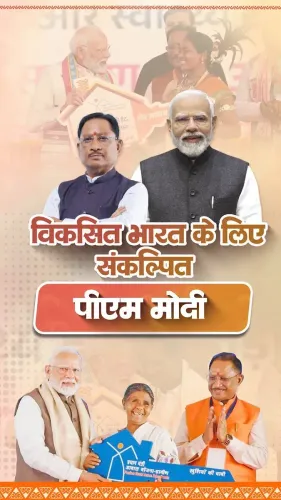
Chhattisgarh Chief Minister Vishnu Deo Sai publicly endorsed PM Modi's 'Sabka Saath, Sabka Vikas, Sabka Vishwas aur Sabka Prayas' mantra on 8 June 2026, marking 12 years of the Garib Kalyan welfare agenda and reaffirming the state's alignment with the Viksit Bharat vision.
Key Takeaways
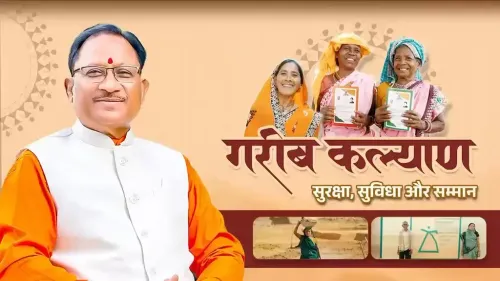
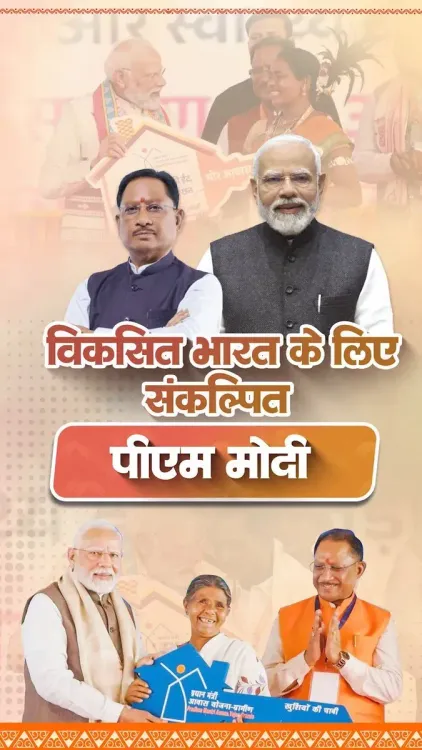
CM Vishnu Deo Sai posted a tribute to PM Narendra Modi on 8 June 2026 under the hashtag #12YearsOfGaribKalyan .
The post invoked Modi's four-part governance mantra: Sabka Saath, Sabka Vikas, Sabka Vishwas aur Sabka Prayas .
Sai described Modi as treating 140 crore Indians as his family and working continuously for their welfare.
The Pradhan Mantri Garib Kalyan Anna Yojana , a key scheme under this agenda, was first launched in March 2020 and has been extended multiple times.
The Viksit Bharat vision — India as a developed nation by 2047 — underpins the broader policy narrative Sai echoed.
Sai has served as Chhattisgarh Chief Minister since December 2023 following the BJP's state assembly victory.
Chhattisgarh Chief Minister Vishnu Deo Sai on Monday, 8 June 2026, took to X to publicly endorse Prime Minister Narendra Modi's governance philosophy, invoking the 'Sabka Saath, Sabka Vikas, Sabka Vishwas aur Sabka Prayas' (Together with all, development for all, trust of all, and effort of all) mantra as a guiding principle for national welfare.
The post, shared under the hashtag #12YearsOfGaribKalyan, praised the Prime Minister for treating 140 crore citizens as his own family and working continuously for their well-being. Sai described Modi's leadership as a symbol of 'unwavering commitment to public service, good governance, and inclusive development.'
Context
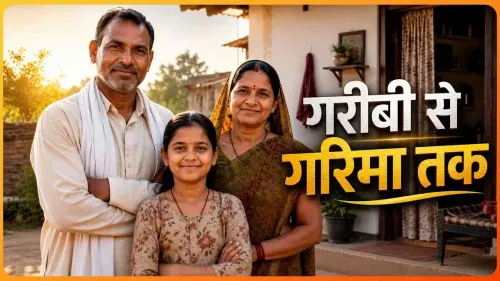
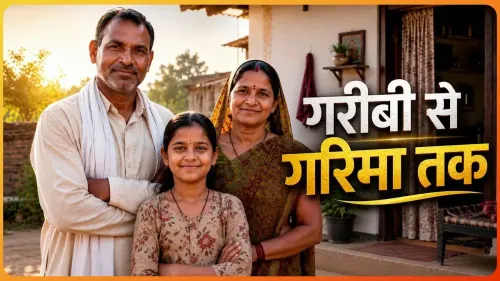
The tribute comes on the occasion being marked as 12 years of Garib Kalyan — a broad reference to the welfare-oriented governance agenda that has defined the Modi administration since 2014. The Pradhan Mantri Garib Kalyan Anna Yojana (PMGKAY), one of the flagship schemes under this umbrella, was first launched in March 2020 to provide free foodgrains to priority households during the COVID-19 pandemic and has been extended in multiple phases since.
The phrase 'Sabka Saath, Sabka Vikas' was first introduced by Modi during the 2014 general election campaign. It was subsequently expanded with 'Sabka Vishwas' and 'Sabka Prayas' to reflect a broader coalition-building and participatory development approach across successive terms.
Policy Backdrop
Central to the Garib Kalyan narrative is the Viksit Bharat vision — the government's stated goal of transforming India into a developed nation by 2047, the centenary of independence. This vision has been a recurring reference in official statements and policy documents since 2022, and state governments in BJP-ruled states have been vocal in aligning their local governance priorities with it.
In Chhattisgarh, where Sai took charge as Chief Minister in December 2023 following the party's assembly election victory, the state administration has positioned itself as an active implementer of centrally sponsored welfare schemes targeting economically weaker sections and priority households.
Stakeholders and Impact
The primary beneficiaries of the Garib Kalyan agenda are priority household beneficiaries and economically weaker sections across India, who have received subsidised or free foodgrains under PMGKAY and allied programmes. In a state like Chhattisgarh, with a significant tribal and rural population, such schemes carry substantial on-ground reach.
Sai's post also reflects the broader political dynamic within the BJP, where chief ministers of party-ruled states routinely amplify central government welfare messaging — particularly around scheme anniversaries or leadership milestones — to reinforce the link between state and national governance.
What's Next
Attention will now turn to how Chhattisgarh articulates its own contribution to the Viksit Bharat framework, especially in the context of the 2026-27 budget cycle and upcoming review meetings on centrally sponsored schemes. Any state-level announcements expanding the reach of welfare programmes would be consistent with the political messaging Sai has amplified through this post.
Point of View
Alongside the Viksit Bharat frame, signals that Chhattisgarh intends to position itself as a model implementer of central schemes. The '#12YearsOfGaribKalyan' framing is also a reminder that the BJP increasingly treats welfare delivery as a long-arc political asset, not just a policy tool. For a relatively new chief minister like Sai, such public endorsements also serve the function of consolidating his standing within the national party hierarchy.
NationPress
26 Oct 2026
Frequently Asked Questions
What is the Sabka Saath Sabka Vikas mantra?
'Sabka Saath, Sabka Vikas' is a governance slogan introduced by PM Narendra Modi during the 2014 general election campaign, meaning 'Together with all, development for all.' It was later expanded to include 'Sabka Vishwas' (trust of all) and 'Sabka Prayas' (effort of all) to reflect a participatory development approach.
What is the Pradhan Mantri Garib Kalyan Anna Yojana?
The Pradhan Mantri Garib Kalyan Anna Yojana (PMGKAY) is a central government scheme that provides free foodgrains to priority households. It was first launched in March 2020 during the COVID-19 pandemic and has been extended in multiple phases since then.
Who is Vishnu Deo Sai?
Vishnu Deo Sai is a BJP leader who has served as the Chief Minister of Chhattisgarh since December 2023, following the party's victory in the state assembly elections.
What is Viksit Bharat?
Viksit Bharat is the Indian government's vision to transform India into a fully developed nation by 2047, the centenary of independence. It has been a central theme in official policy statements and government communications since 2022.
Why are BJP chief ministers posting about Garib Kalyan?
BJP-ruled state governments routinely amplify central welfare messaging, especially around scheme anniversaries or leadership milestones, to reinforce alignment between state governance and national policy priorities set by the Modi administration.