CM Sai shares President Murmu's roots speech at Bastar Dussehra
Synopsis
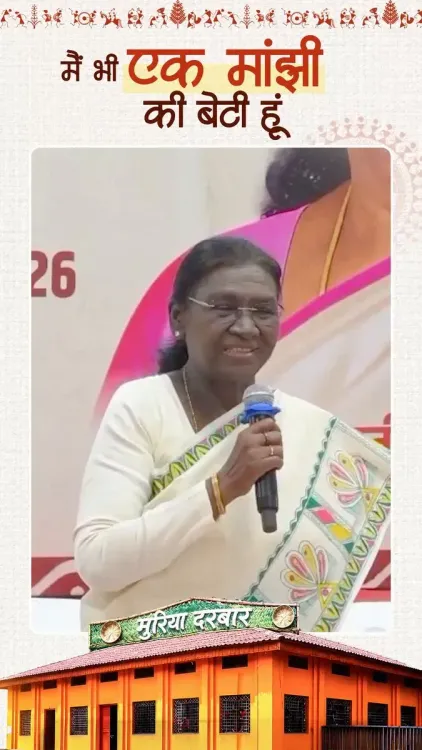
President Draupadi Murmu addressed the Muria Darbar at Bastar Dussehra 2026 in Jagdalpur, calling herself a 'daughter of a Manjhi,' invoking her Santhal village headman lineage before the tribal assembly. CM Vishnu Deo Sai shared the moment on X.
Key Takeaways
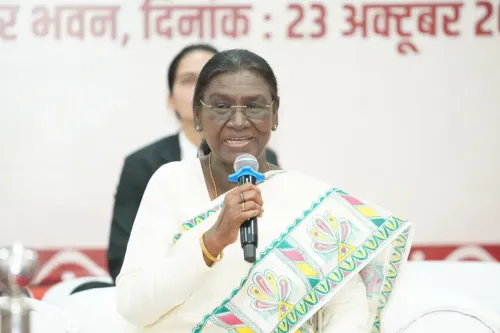
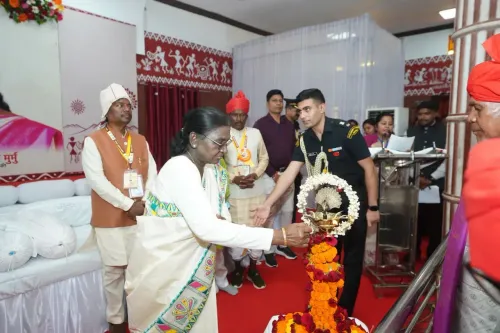
President Draupadi Murmu addressed the Muria Darbar at Sirhasar Bhawan, Jagdalpur on October 23, 2026 .
She stated her grandfather, father, and brothers were all Manjhi — the elected village headman in Santhal tribal tradition.
The Muria Darbar is a traditional assembly forming a central part of the 75-day Bastar Dussehra festival.
Bastar Dussehra is rooted in worship of Goddess Danteshwari and does not follow the pan-Indian Ramayana narrative.
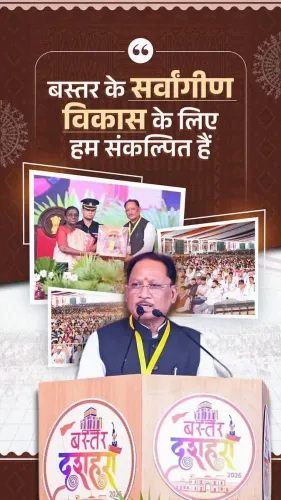
CM Vishnu Deo Sai , himself of tribal origin, amplified the President's remarks on X, signalling state-level endorsement of the event.
The President's remarks represent a recurring pattern of constitutional office-holders engaging with indigenous festivals in central India.
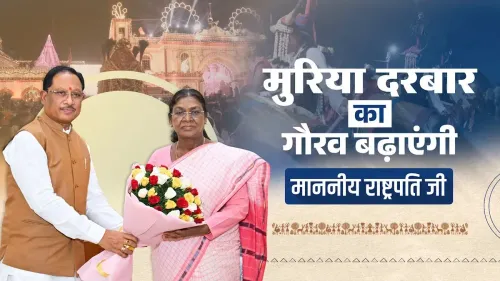
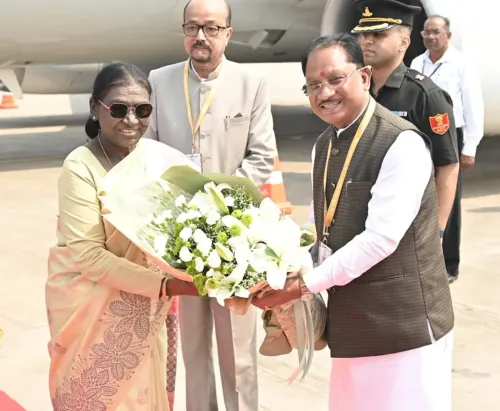
At the Muria Darbar in Jagdalpur's Sirhasar Bhawan on Friday, October 23, 2026, President Draupadi Murmu reached back to her origins to address one of India's most distinctive tribal assemblies — and her words landed with rare personal weight. Chhattisgarh Chief Minister Vishnu Deo Sai shared the moment on X, amplifying a statement that went far beyond protocol.
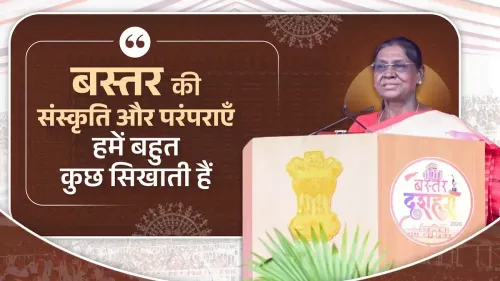
Speaking at the ceremonial Muria Darbar — a traditional assembly woven into the fabric of Bastar Dussehra — President Murmu said: 'My grandfather was a Manjhi, my father was also a Manjhi, and my brothers were Manjhi too. I am also a daughter of a Manjhi, a daughter of the village headman.' The line was not a biographical footnote. It was a declaration of shared identity addressed to a community that has held its own governance traditions for centuries.
What a 'Manjhi' means in this moment
In the Santhal tribal tradition of eastern India, a Manjhi is the elected headman of a village — the first authority in matters of land, dispute, and ritual. For President Murmu, who comes from the Santhal community in Odisha, the lineage is not ceremonial. It is the lived infrastructure of the society she grew up inside. Invoking it before the Muria tribal assembly of Bastar was a gesture of solidarity across distinct but kindred indigenous worlds.
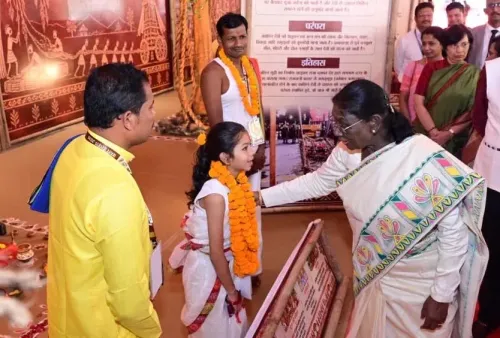
The Muria are a Gond-affiliated tribal community whose annual Darbar is a centrepiece of Bastar Dussehra — itself one of the longest-running indigenous festivals in the country, lasting 75 days by tradition. The gathering at Sirhasar Bhawan brings together community leaders, elders, and representatives in a format that predates the modern state. A sitting President's presence — and her choice to speak in the register of village headmanship — was not routine.
Bastar Dussehra's place in India's tribal calendar
Bastar Dussehra diverges sharply from the pan-Indian festival it shares a name with. Rooted in the worship of Goddess Danteshwari, it does not narrate the Ramayana or end with the burning of Ravana. Instead, it is an assertion of the region's own cosmology — a calendar of processions, assemblies, and rituals that the Muria, Gond, Halba and other communities of southern Chhattisgarh have maintained across generations. Constitutional recognition at this scale matters to communities that have long navigated the tension between state modernity and indigenous custom.
CM Vishnu Deo Sai, himself from a tribal background in Chhattisgarh, has made participation in and promotion of these events a visible part of his administration's identity. By amplifying President Murmu's remarks from the Darbar, he frames the state government's engagement with Bastar's cultural calendar as something endorsed at the highest constitutional level.
A President who traces her authority not just to Raisina Hill but to a Manjhi's courtyard — that is the image Bastar carries home from this Dussehra.
Point of View
The President's presence at Bastar Dussehra provides a powerful symbolic frame. CM Sai's decision to amplify the quote on X reflects a broader pattern of using cultural visibility to reinforce the party's outreach among tribal communities ahead of ongoing political cycles. The convergence of India's first tribal President with one of its oldest tribal festivals marks a moment where identity politics and cultural preservation policy are, at least for one evening, indistinguishable.
NationPress
23 Oct 2026
Frequently Asked Questions
What is Muria Darbar at Bastar Dussehra?
The Muria Darbar is a traditional tribal assembly held at Sirhasar Bhawan in Jagdalpur as part of the annual Bastar Dussehra festival. It brings together elders, community leaders, and representatives from the Muria and other tribal communities of the Bastar region in a format rooted in indigenous governance traditions.
What did President Draupadi Murmu say at Bastar Dussehra 2026?
President Murmu said her grandfather, father, and brothers were all 'Manjhi' — the elected village headman in Santhal tribal tradition — and described herself as 'a daughter of a Manjhi.' She spoke at the Muria Darbar in Jagdalpur on October 23, 2026.
What does 'Manjhi' mean in tribal tradition?
In the Santhal tribal tradition of eastern India, a Manjhi is the elected headman of a village, serving as the primary authority on matters of land, community dispute, and ritual. President Murmu, who comes from the Santhal community in Odisha, has roots in this tradition.
How is Bastar Dussehra different from the rest of India?
Bastar Dussehra is rooted in the worship of Goddess Danteshwari and does not follow the pan-Indian Ramayana narrative or end with the burning of Ravana. Lasting 75 days by tradition, it features distinct processions, assemblies, and rituals unique to the Muria, Gond, Halba and other communities of southern Chhattisgarh.
Why did CM Vishnu Deo Sai post about President Murmu at Bastar Dussehra?
Chief Minister Vishnu Deo Sai shared President Murmu's remarks from the Muria Darbar on X to highlight national-level recognition of Bastar's tribal cultural traditions. Sai, himself of tribal heritage, has made engagement with Chhattisgarh's indigenous festivals a visible part of his administration's identity.