CM Sai Highlights SVAMITVA Gains in Kosarangi Under Sushasan Tihar
Synopsis
Chhattisgarh CM Vishnu Deo Sai highlighted the distribution of SVAMITVA property cards to rural beneficiaries in village Kosarangi as part of the state's Sushasan Tihar 2026 governance outreach, continuing the push to deliver drone-mapped land titles to rural households across the state.
Key Takeaways
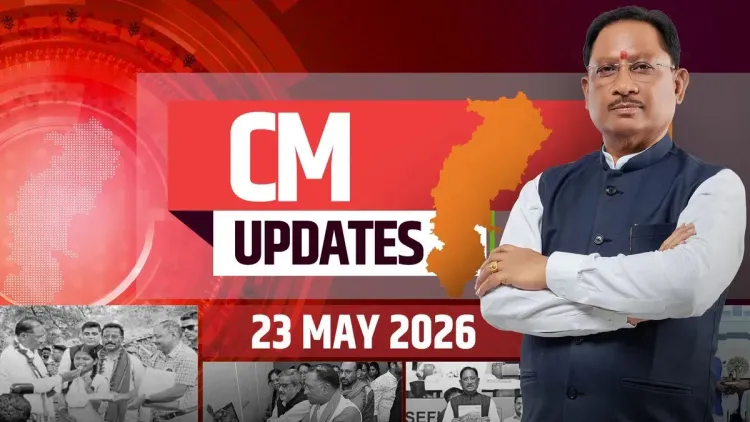
Chhattisgarh CM Vishnu Deo Sai posted on 23 May 2026 about Sushasan Tihar 2026 updates, including SVAMITVA scheme benefits in village Kosarangi .
The SVAMITVA scheme , launched by the Union government in 2020 , uses drone surveys to map rural land parcels and issue legally recognised property cards.
Sushasan Tihar is a Chhattisgarh state programme for direct, village-level delivery of government schemes and grievance redressal.
Rural beneficiaries receiving SVAMITVA property cards gain documented ownership that can be used as collateral for formal bank loans.
The initiative reflects a broader national push to digitise rural land records and support rural financial inclusion through secure land tenure.
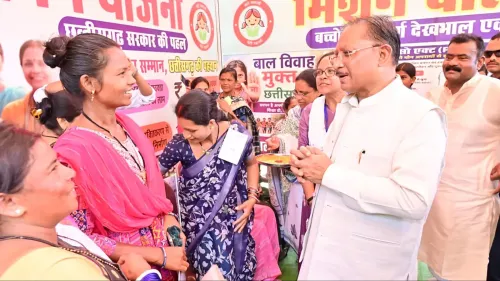
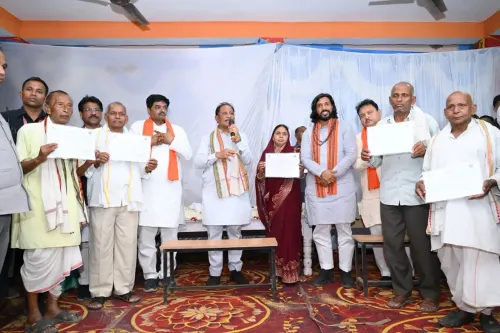
Chhattisgarh Chief Minister Vishnu Deo Sai on Saturday, 23 May 2026 shared a round-up of key developments under the ongoing Sushasan Tihar 2026 governance outreach programme, spotlighting the distribution of property rights documents to beneficiaries of the SVAMITVA scheme in village Kosarangi.
In his post on X, the Chief Minister wrote: 'सुशासन तिहार के अंतर्गत ग्राम कोसरंगी में स्वामित्व योजना के हितग्राही हुए लाभान्वित' — ('Beneficiaries of the SVAMITVA scheme in village Kosarangi were benefited under Sushasan Tihar') — along with references to other important updates from the day's events.
Context
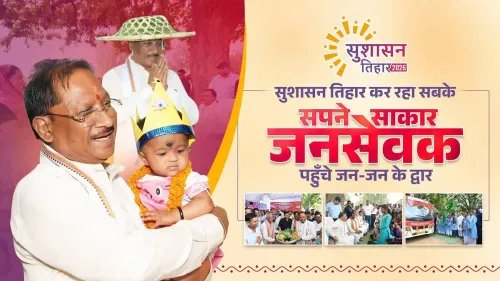
Sushasan Tihar — literally 'Festival of Good Governance' — is a Chhattisgarh state initiative designed to take scheme delivery and grievance redressal directly to the village level. The programme creates structured occasions for district and block administrations to conduct on-the-spot distribution of entitlements, hear public complaints, and report outcomes to the state government. The 2026 edition, tagged #SushasanTihar2026, has been running across multiple villages and districts in the state.
The inclusion of village Kosarangi in the latest update signals that the programme's reach extends to smaller habitations in the state, consistent with its stated objective of last-mile delivery.
Policy Backdrop
The SVAMITVA scheme — Survey of Villages and Mapping with Improvised Technology in Village Areas — was launched by the Union Ministry of Panchayati Raj in 2020 as a nationwide initiative to use drone surveys for mapping rural land parcels and issuing legally recognised property cards to rural households. The scheme aims to reduce land disputes, provide rural residents with documented ownership, and improve access to institutional credit by enabling property-backed loans.
Chhattisgarh, like several other BJP-governed states, has integrated SVAMITVA implementation into its state-level governance events, using occasions such as Sushasan Tihar to publicly hand over property cards to beneficiaries. This approach links a central scheme's deliverables to visible, community-level ceremonies that underscore scheme penetration at the grassroots.
Stakeholders and Impact
The primary beneficiaries are rural landowners in Kosarangi and other villages covered under the programme, who receive legally documented proof of property ownership — often for the first time. Gram panchayats also benefit from cleaner land records, which streamline local planning and reduce the administrative burden of resolving boundary disputes.
For rural households, a SVAMITVA property card can serve as collateral for formal bank loans, potentially widening access to credit beyond informal moneylenders. The broader policy goal is rural financial inclusion anchored in secure land tenure.
What's Next
Further village-level property card distributions are expected as Sushasan Tihar 2026 continues across Chhattisgarh. Observers will watch whether the state government announces measurable targets — such as total property cards issued or villages covered — in the remaining legs of the programme. Any state budget or administrative order on expanding land-record digitisation would be a further signal of the government's commitment to this agenda.
As SVAMITVA implementation deepens, the quality and legal enforceability of the property cards issued — and whether beneficiaries can successfully leverage them for credit — will be the real test of the scheme's on-ground impact in Chhattisgarh.
Point of View
A pattern that BJP-led state governments have used to make central welfare delivery visible and attributable at the local level. The SVAMITVA scheme has been a flagship instrument in the broader project of digitising rural land records — a reform with real consequences for rural credit access and dispute reduction. Chhattisgarh's use of Sushasan Tihar as a distribution vehicle suggests the state is treating scheme saturation as a political as well as administrative priority. The durability of this approach will depend on whether the property cards issued translate into tangible financial and legal benefits for recipients, or remain largely ceremonial documents.
NationPress
12 Oct 2026
Frequently Asked Questions
What is the SVAMITVA scheme and how does it help villagers?
The SVAMITVA scheme is a central government initiative launched in 2020 that uses drone surveys to map rural land and issue legally recognised property cards to rural households, helping them prove ownership, reduce land disputes, and access formal bank loans using their property as collateral.
What is Sushasan Tihar in Chhattisgarh?
Sushasan Tihar, meaning 'Festival of Good Governance,' is a Chhattisgarh state programme that brings government scheme delivery and grievance redressal directly to the village level, with officials conducting on-the-spot distribution of entitlements and hearing public complaints.
Who is Vishnu Deo Sai?
Vishnu Deo Sai is a BJP leader who has served as Chief Minister of Chhattisgarh since December 2023, following the BJP's victory in the state assembly elections.
What happened in village Kosarangi under Sushasan Tihar 2026?
According to CM Vishnu Deo Sai's post on 23 May 2026, beneficiaries of the SVAMITVA scheme in village Kosarangi, Chhattisgarh, received property rights documents as part of the Sushasan Tihar 2026 governance outreach programme.
Can SVAMITVA property cards be used to get a bank loan?
Yes, one of the key objectives of the SVAMITVA scheme is to enable rural property owners to use their officially documented property cards as collateral for institutional loans, improving access to formal credit and reducing dependence on informal moneylenders.