CM Sai Walks Raipur Streets for Drug-Free Chhattisgarh
Synopsis
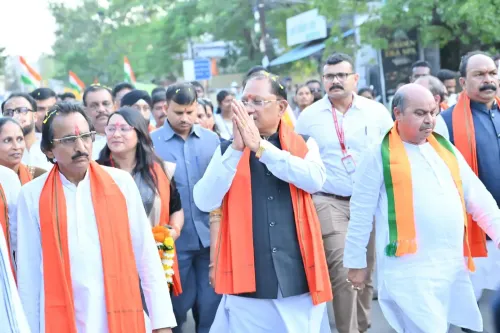
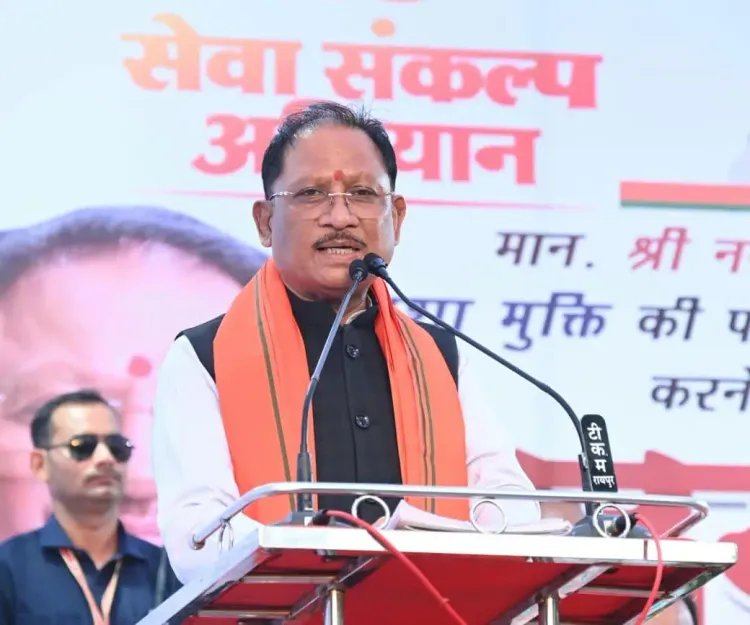
Chief Minister Vishnu Dev Sai joined the Nasha Mukti Padyatra in Raipur on 30 September, walking from Devendra Nagar Chowk to Lal Chowk as part of the Seva Sankalp Abhiyan week running 25 September to 2 October, urging youth to embrace education, skills, and entrepreneurship over substance abuse.
Key Takeaways
CM Vishnu Dev Sai personally participated in the Nasha Mukti Padyatra in Raipur on 30 September 2026 .
The march ran from Devendra Nagar Chowk to Lal Chowk , a prominent urban route in the state capital.
The padyatra is part of Seva Sankalp Abhiyan 's dedicated anti-drug march week from 25 September to 2 October .
CM Sai emphasised connecting youth to education, skill development, employment, sports, and entrepreneurship as alternatives to drug use.
The state campaign aligns with the national Nasha Mukt Bharat Abhiyan launched in 2020 by the Ministry of Social Justice and Empowerment.
The campaign hashtag #NashaMuktChhattisgarh and #ViksitChhattisgarh link anti-drug messaging to the state's broader development narrative.
From Devendra Nagar Chowk to Lal Chowk, the streets of Raipur carried a clear message on Wednesday, 30 September 2026 — and Chief Minister Vishnu Dev Sai delivered it on foot. The Chief Minister's Office of Chhattisgarh announced that CM Sai personally participated in the Nasha Mukti Padyatra (anti-drug march) organised as part of the ongoing Seva Sankalp Abhiyan week, putting the weight of his office behind a campaign to steer young people away from substance abuse.
What CM Sai Said on the Streets of Raipur
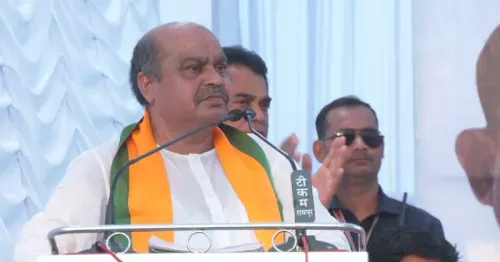
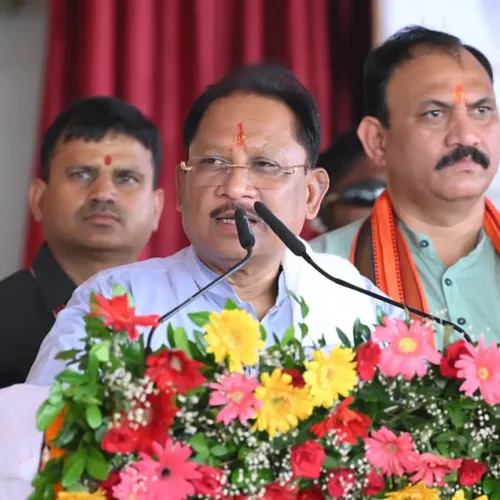
Addressing participants during the march, CM Sai made the stakes plain: 'The harmful effects of addiction are not limited to one individual — they devastate entire families and society.' His government's stated priority, he said, is to connect youth to education, skill development, employment, sports, and entrepreneurship as deliberate alternatives to substance use. He closed with a direct appeal — stay away from drugs yourself, and inspire others to do the same.
The route — a visible arterial stretch of Raipur — was chosen for maximum public visibility. A march through a busy urban corridor, rather than a closed auditorium event, signals that this campaign is aimed squarely at community ownership, not just institutional tick-boxing.
Seva Sankalp Abhiyan and the Padyatra Week
The march falls within a dedicated Nasha Mukti Padyatra Saptah (anti-drug march week) running from 25 September to 2 October under the Seva Sankalp Abhiyan — a broader state government initiative that bundles public service, awareness drives, and social welfare outreach. The week-long format, structured around mass participation, is designed to build momentum before it closes on 2 October, a date that carries symbolic resonance as Gandhi Jayanti.
The Nasha Mukt Chhattisgarh campaign sits in a wider national frame: the Union government's Nasha Mukt Bharat Abhiyan, launched in 2020 by the Ministry of Social Justice and Empowerment, established the template of combining awareness events with structured youth outreach. Chhattisgarh's state-level iteration builds on that architecture, adding the state government's own emphasis on skills and entrepreneurship as durable off-ramps from drug dependency.
Why Youth Are the Target — and Why It Matters Now
Indian states have periodically run anti-substance campaigns, but the framing here is notably economic: CM Sai's language links nasha mukti (freedom from addiction) directly to employment and entrepreneurship, not just moral appeals. That pivot matters. A state with a young demographic profile, as Chhattisgarh has, risks forfeiting its demographic dividend if substance abuse erodes workforce participation. Putting the CM on the street alongside ordinary residents rather than behind a podium is a deliberate choice to normalise participation and reduce stigma around the conversation.
With the Seva Sankalp Abhiyan week closing on 2 October, the real test will be whether the symbolic energy of this padyatra translates into sustained programme funding and community follow-through — something that march participation numbers alone cannot answer.
Point of View
One that ties anti-drug messaging to the state's broader jobs-and-skills agenda. The Seva Sankalp Abhiyan week ending on Gandhi Jayanti is unlikely accidental; the optics of public service around 2 October carry deep symbolic capital in Indian political culture. Whether the padyatra energy converts into measurable programme commitments will determine if this is a campaign milestone or a ceremonial marker.
NationPress
1 Oct 2026
Frequently Asked Questions
What is the Nasha Mukti Padyatra in Chhattisgarh?
It is an anti-drug awareness march organised under the Seva Sankalp Abhiyan, with a dedicated week running from 25 September to 2 October, aimed at promoting a drug-free society through public participation.
Who is CM Vishnu Dev Sai?
Vishnu Dev Sai is the Chief Minister of Chhattisgarh, serving since December 2023, and is a senior BJP leader focused on state development, welfare, and social campaigns.
What is Seva Sankalp Abhiyan?
Seva Sankalp Abhiyan is a Chhattisgarh government initiative that encompasses public service and awareness drives, including the Nasha Mukti (anti-drug) campaign targeting youth across the state.
What route did the Raipur Nasha Mukti Padyatra follow?
The march was held in Raipur, the state capital, running from Devendra Nagar Chowk to Lal Chowk on 30 September 2026.
How does Chhattisgarh's anti-drug campaign connect to national policy?
The state campaign aligns with the national Nasha Mukt Bharat Abhiyan launched in 2020 by the Union Ministry of Social Justice and Empowerment, which established a template of combining awareness events with structured youth outreach.