CM Sai Welcomes President Murmu's Two-Day Chhattisgarh Visit
Synopsis
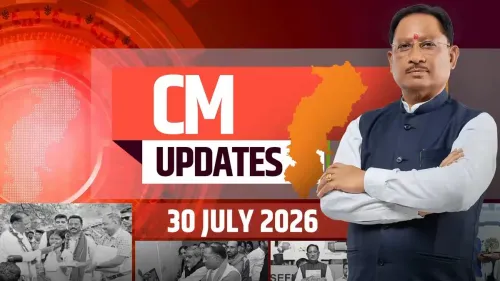
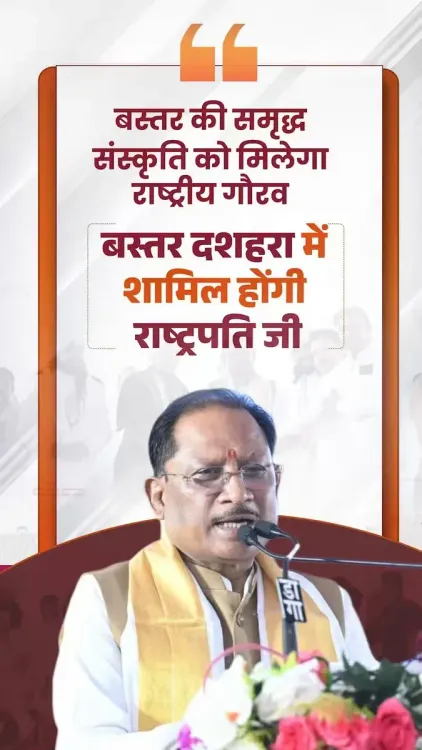
President Droupadi Murmu will attend the Muria Darbar during Bastar Dussehra on a two-day Chhattisgarh visit. CM Vishnu Deo Sai says her arrival will reinforce peace, trust, and development in a region emerging from decades of Naxal conflict.
Key Takeaways
President Droupadi Murmu is visiting Chhattisgarh for two days , with the trip announced on 21 October 2026 .
She will attend the Muria Darbar , a traditional tribal court convened as part of the 75-day Bastar Dussehra festival.
CM Vishnu Deo Sai linked the visit to progress in freeing Chhattisgarh from Naxalism , framing it as a symbol of peace and development.
Bastar spans seven districts in southern Chhattisgarh and has been the epicentre of left-wing extremism for decades.
Murmu, India's first tribal President, carries particular symbolic resonance for Bastar's indigenous communities at this platform.
High-level constitutional visits to Bastar have historically been used to signal state confidence in security gains and rebuild local trust.
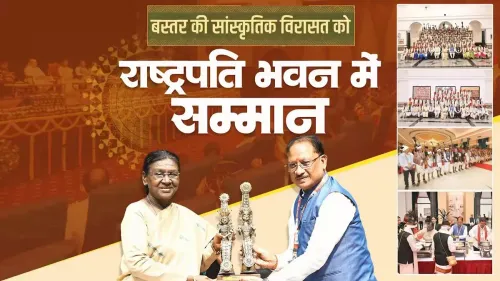
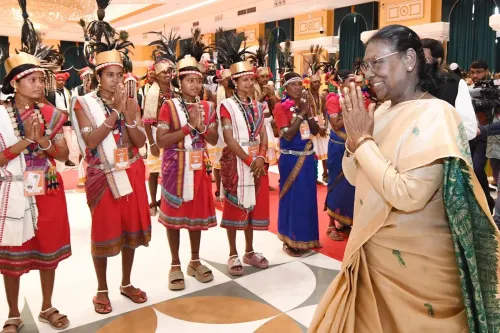
India's first tribal President is heading to one of the country's most storied conflict zones — and her arrival carries weight far beyond ceremony. The Chief Minister's Office of Chhattisgarh announced on Wednesday, 21 October 2026 that President Droupadi Murmu will undertake a two-day visit to Chhattisgarh, with a centrepiece appearance at the Muria Darbar — the ancient tribal court convened as part of the legendary Bastar Dussehra festival.
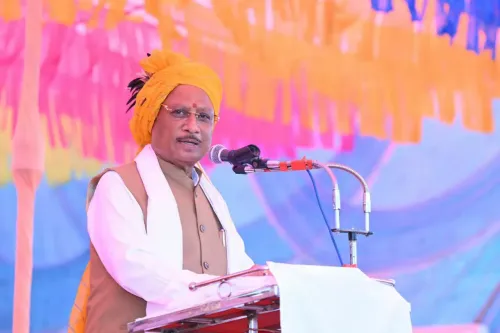
Chief Minister Vishnu Deo Sai framed the visit in a statement that reads as both a welcome and a declaration: 'Rashtrapati ji ka Bastarvasiyon ke beech aagaman aur unka aashirwachan kshetra mein shanti, vishwas aur vikas ke naye sankalp ko aur mazbooti pradaan karega' — 'the President's arrival among the people of Bastar and her blessings will further strengthen the new resolve of peace, trust, and development in the region.' Sai explicitly linked the visit to what he described as successes in the state's push to free Chhattisgarh from Naxalism.
Bastar Dussehra and the Muria Darbar Tradition
Bastar Dussehra is no ordinary festival. Running for 75 days, it is one of the longest tribal festivals in the world, centred on the Gondi goddess Danteshwari and the rituals of the indigenous communities of southern Chhattisgarh. The Muria Darbar — literally the 'court of the Muria' — is the day within that festival when tribal elders and community leaders traditionally voice concerns and grievances to the state. A sitting President attending this forum is a signal of constitutional acknowledgment that these communities rarely see at such proximity.
Bastar, comprising seven districts in Chhattisgarh's southern division, has been the heartland of left-wing extremism in India for decades. Security operations by state police and central forces have been a constant presence since the early 2000s, with official assessments pointing to a reduction in violence in recent years. High-level visits from constitutional figures to Bastar have, historically, been used to signal state confidence in the security situation and to encourage trust among communities caught in the crossfire.
President Murmu's Symbolic Resonance in Tribal Bastar
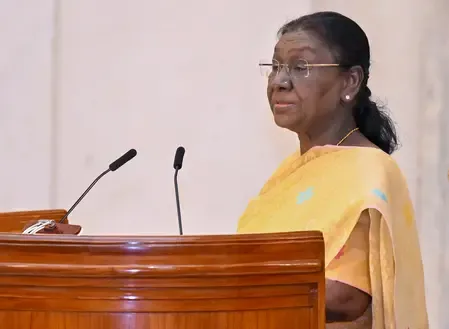
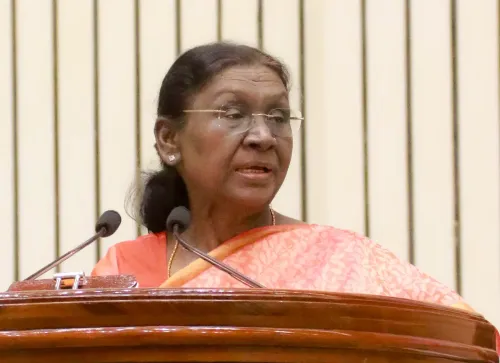
The choice of Droupadi Murmu — herself from a tribal community in Odisha and India's first tribal President since taking office in 2022 — amplifies the symbolism substantially. Her presence at Muria Darbar is not simply a protocol visit; it is the nation's highest constitutional authority sitting in a tribal court, in a region where the state has long struggled to establish the legitimacy of its governance. The Chhattisgarh government under CM Sai, who took office in December 2023, has made security and infrastructure in the southern districts a stated priority. The BJP-led administration has consistently paired its counter-Naxal narrative with outreach to tribal populations — and a Presidential blessing in the heart of Bastar is a powerful visual anchor for that argument.
Successive state governments have promoted Bastar Dussehra as a cultural showcase, with presidential-level participation recorded in public events during the 2010s. But the context today — claimed security gains, a tribal President, and a government seeking to cement a peace-and-development narrative — makes this iteration particularly charged. Whether the visit unlocks tangible follow-through in Bastar-specific development projects will be the real test in the months ahead.
Point of View
The visit provides a high-visibility endorsement of its anti-Naxal positioning ahead of any future electoral cycle. The broader pattern across the tribal belts of Chhattisgarh, Odisha, and Jharkhand suggests that pairing security operations with top-level symbolic outreach has become a standard but increasingly consequential playbook for central and state governments.
NationPress
22 Oct 2026
Frequently Asked Questions
Why is President Droupadi Murmu visiting Chhattisgarh in October 2026?
President Murmu is on a two-day visit to Chhattisgarh to attend the Muria Darbar, a tribal court event held as part of the annual Bastar Dussehra festival. CM Vishnu Deo Sai described the visit as a matter of pride for the state and an affirmation of peace and development in the Bastar region.
What is the Muria Darbar in Bastar Dussehra?
The Muria Darbar is a traditional assembly of tribal elders and community leaders held during Bastar Dussehra — a 75-day festival unique to southern Chhattisgarh — where communities historically voice grievances and receive acknowledgment from the state.
What is the significance of Bastar Dussehra?
Bastar Dussehra is one of the world's longest tribal festivals, spanning 75 days and centred on the Gondi goddess Danteshwari. It is a major cultural event in Chhattisgarh's seven-district southern Bastar division and has been promoted by successive state governments as a showcase of tribal heritage.
How is Droupadi Murmu connected to tribal communities?
Droupadi Murmu, who became President of India in 2022, is the first person from a tribal community to hold the office. Her background gives her visit to Bastar's tribal Muria Darbar particular symbolic and cultural weight.
What is the current Naxal situation in Bastar, Chhattisgarh?
Bastar has been affected by left-wing extremism for decades, with sustained security operations by state and central forces since the early 2000s. Official reviews have pointed to a reduction in violence in recent years, and CM Vishnu Deo Sai's government has made security gains in the southern districts a cornerstone of its governance narrative.