CM Saini Accepts Karnal's Swachh Survekshan 2025-26 Award
Synopsis
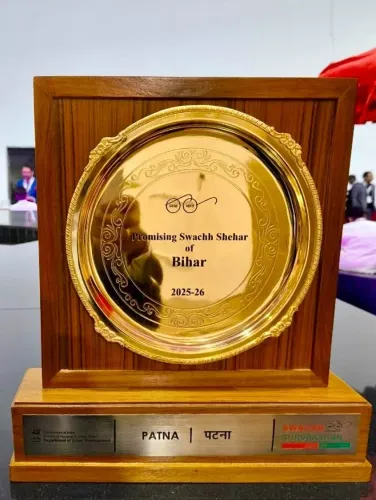
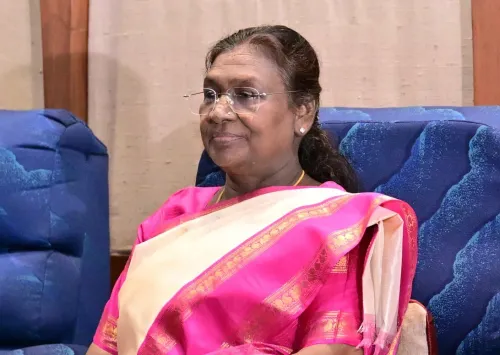
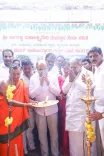
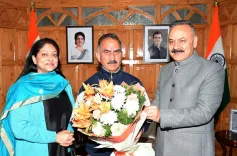
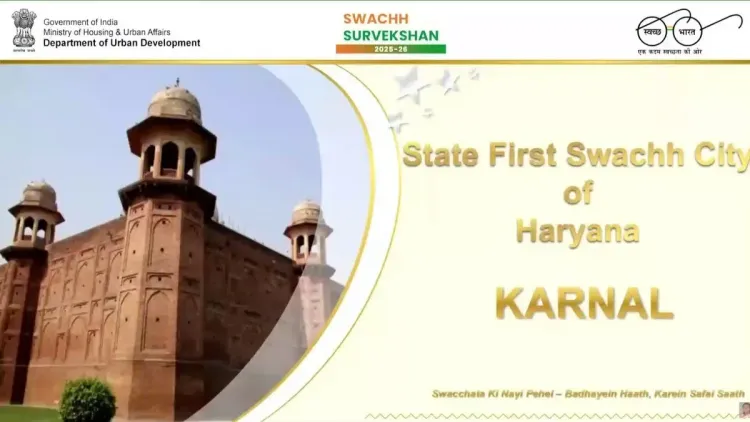
Haryana Chief Minister Nayab Singh Saini received Karnal's Swachh Survekshan 2025-26 national award at Vigyan Bhawan, New Delhi, before President Draupadi Murmu. He credited the honour to Karnal's citizens, sanitation workers, and municipal staff, pledging to extend the cleanliness drive across all Haryana cities.
Key Takeaways
Karnal received a national honour at the Swachh Survekshan 2025-26 awards ceremony.
The event was held at Vigyan Bhawan, New Delhi , in the presence of President Draupadi Murmu .
CM Nayab Singh Saini credited the achievement to Karnal's citizens, safai mitras , and Karnal Municipal Corporation staff.
The Swachh Bharat Mission , launched by PM Modi in 2014 , underpins the annual Swachh Survekshan city-ranking exercise.
Saini pledged to replicate Karnal's cleanliness model across all urban centres in Haryana .
Karnal brought home a national cleanliness honour on Wednesday, 11 November 2026 — and Haryana Chief Minister Nayab Singh Saini made clear the city's achievement belongs to every resident who swept a street, segregated waste, or simply cared. The award was received at a ceremony held at Vigyan Bhawan, New Delhi, in the gracious presence of President Draupadi Murmu.
Karnal's recognition at Vigyan Bhawan
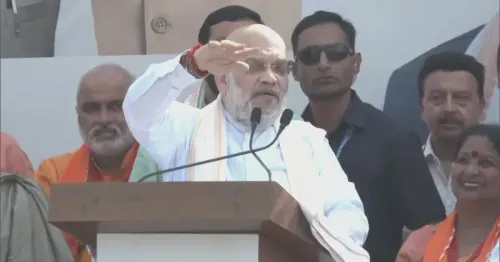
Speaking about the moment, CM Saini wrote: 'करनाल को स्वच्छ सर्वेक्षण 2025-26 में मिला सम्मान पूरे हरियाणा के लिए गर्व का विषय है' — 'The recognition Karnal has received in Swachh Survekshan 2025-26 is a matter of pride for all of Haryana.' He credited the honour directly to the city's aware citizens, its safai mitras (sanitation workers), and the officers and staff of Karnal Municipal Corporation.
The ceremony at Vigyan Bhawan is the annual showcase of the Swachh Survekshan rankings — the nationwide urban cleanliness audit conducted under the Swachh Bharat Mission. President Murmu's presence at the event lent the occasion its ceremonial weight, with top-ranked cities from across the country receiving their awards.
From sanitation infrastructure to behavioural change
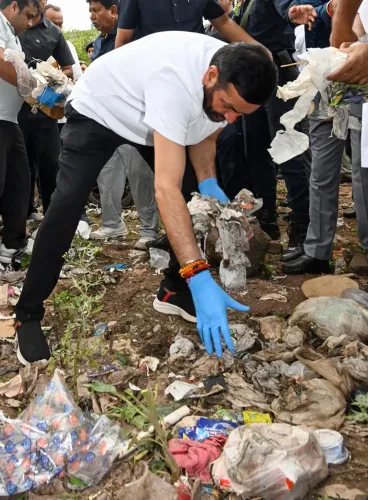
When Prime Minister Narendra Modi launched the Swachh Bharat Mission in 2014, the immediate targets were toilets and open-defecation-free villages. Twelve years on, the mission has evolved into something harder to quantify — a behavioural shift, measured every year through Swachh Survekshan's city rankings and visible in the competitive spirit it now generates between municipalities. CM Saini acknowledged this arc directly, calling the mission a 'wide campaign of public participation' across the country.
Haryana has positioned its municipal machinery within that national framework, pushing urban local bodies to improve not just cleanliness but broader civic amenities and urban aesthetics. Karnal's recognition this cycle is a marker of that integration working.
The workers who made it happen
Perhaps the sharpest line in Saini's post was also the most grounded: credit, he said, goes first to Karnal's aware citizens, then to its safai mitras — the frontline sanitation workers whose daily labour rarely makes headlines — and finally to the municipal corporation's officials and staff. It is a deliberate ordering, putting the people who do the work before the institution that organises it.
His closing pledge: that the spirit of cleanliness must become 'a part of the life of every city and every citizen' in Haryana — signalling that the state government intends to push other municipalities to replicate Karnal's approach in coming Swachh Survekshan cycles.
Point of View
Tangible win to hold up as proof that the Haryana government's municipal reform push is producing results. By attributing credit to frontline sanitation workers and ordinary citizens rather than just administrative machinery, Saini reinforces a grassroots-ownership narrative central to the BJP's Swachh Bharat brand. The pledge to extend the model statewide also frames this as a policy commitment, not a one-off celebration — useful ahead of future civic elections. The annual ranking mechanism, now in its twelfth year, has become one of the more effective tools for pressuring local governments into competitive municipal reform.
NationPress
11 Nov 2026
Frequently Asked Questions
What award did Karnal win at Swachh Survekshan 2025-26?
Karnal received a national recognition under the Swachh Survekshan 2025-26 rankings, an annual urban cleanliness survey conducted under the Swachh Bharat Mission . The specific category of the award was not detailed in the official post.
Where was the Swachh Survekshan 2025-26 award ceremony held?
The ceremony was held at Vigyan Bhawan, New Delhi , and was presided over by President Draupadi Murmu on 11 November 2026 .
What is Swachh Survekshan?
Swachh Survekshan is an annual cleanliness and sanitation ranking of Indian cities conducted under the Swachh Bharat Mission , launched by Prime Minister Modi in 2014 . Cities are assessed on waste management, citizen feedback, and civic cleanliness standards.
Who did CM Nayab Saini credit for Karnal's award?
CM Nayab Singh Saini credited Karnal's aware citizens, frontline safai mitras (sanitation workers), and the officers and employees of Karnal Municipal Corporation for the achievement.
What is Haryana's plan after Karnal's Swachh Survekshan win?
CM Saini pledged that the spirit of cleanliness achieved in Karnal will be extended to every city and every citizen across Haryana , signalling an intent to push other municipalities to perform better in future Swachh Survekshan cycles.