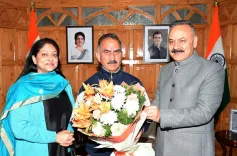
CM Mohan Yadav Welcomes Cabinet Nod on P&K Fertiliser Subsidy Rates
Synopsis
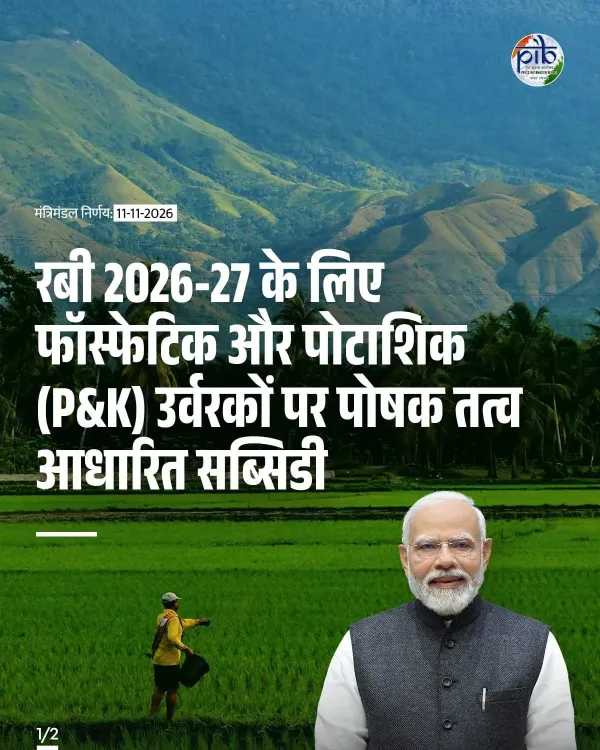
The Union Cabinet chaired by PM Modi approved Nutrient Based Subsidy rates for 28 P&K fertilisers including DAP for Rabi 2026-27, aiming to cut farm input costs. MP CM Dr. Mohan Yadav welcomed the move on behalf of the state's farmers.
Key Takeaways
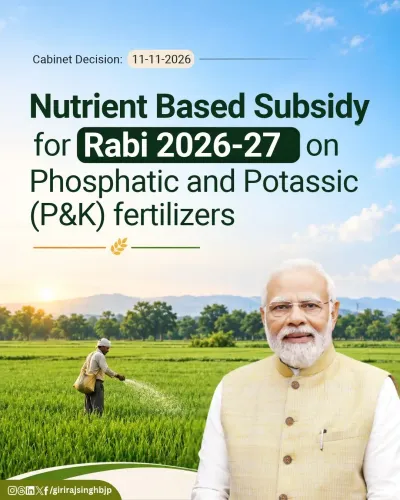
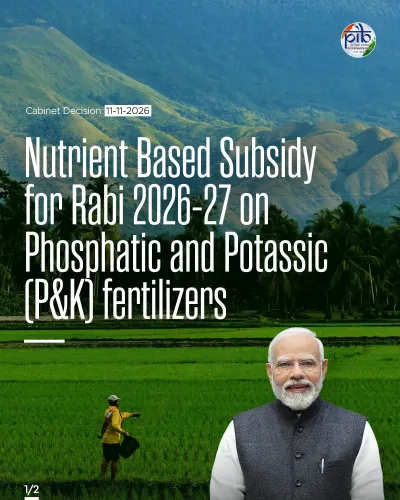
The Union Cabinet approved NBS rates for 28 P&K fertiliser categories , including DAP, for Rabi season 2026-27 .
The decision accounts for current international price trends of raw materials used in phosphate and potash fertilisers.
The Nutrient Based Subsidy scheme has been in operation since April 2010 , linking subsidies to nutrient content rather than product price.
Mohan Yadav expressed gratitude to PM Modi on behalf of Madhya Pradesh farmers.
Subsidised DAP is critical for Rabi crops like wheat, mustard, and gram, which form the backbone of MP's agricultural economy.
Actual impact will depend on timely distribution of subsidised stocks to district-level outlets before peak sowing demand.
Ahead of the Rabi 2026-27 sowing season, the Union Cabinet chaired by Prime Minister Narendra Modi has approved Nutrient Based Subsidy (NBS) rates for phosphate and potash (P&K) fertilisers — and Madhya Pradesh Chief Minister Dr. Mohan Yadav was quick to welcome the move on behalf of the state's farming community on Wednesday, November 11, 2026.
What the Cabinet cleared — and why it matters for Rabi sowing
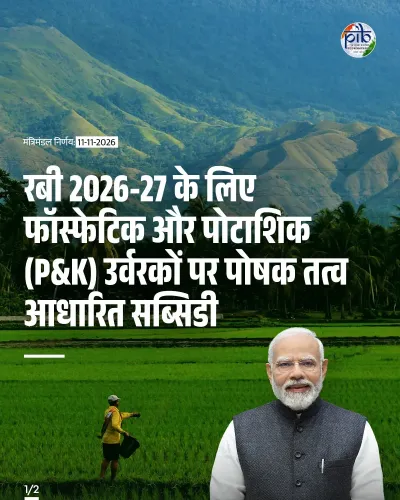
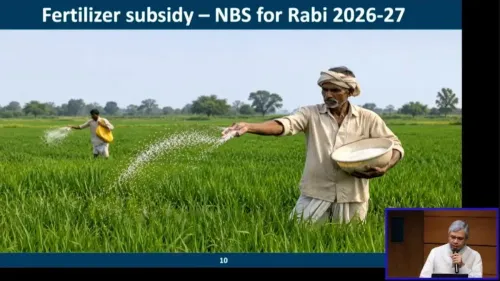
The Cabinet's decision extends subsidised pricing across 28 categories of P&K fertilisers, including the widely-used Di-Ammonium Phosphate (DAP). The rates have been calibrated keeping global price trends in mind — a standard practice under the Nutrient Based Subsidy scheme, which has governed P&K pricing since April 2010 by tying the subsidy to nutrient content rather than to any single product's market price.
Dr. Yadav, posting in Hindi, said the decision would help 'kisan bandhuo' (farmer brothers) of Madhya Pradesh access affordable inputs and reduce their overall agricultural costs. He expressed gratitude to Prime Minister Modi on behalf of the state's farmers.
The NBS framework: sixteen years of linking subsidy to nutrients
The Nutrient Based Subsidy scheme was introduced in 2010 to move away from product-specific price controls toward a per-nutrient fixed subsidy. Under this model, manufacturers receive a government-determined subsidy per kilogram of nitrogen, phosphorus, potassium, or sulphur in each fertiliser — allowing market forces to operate on the retail side while keeping farm-gate prices within reach.
The Union Cabinet approves fresh NBS rates before each Rabi (winter) and Kharif (summer) cropping cycle, adjusting for movements in global inputs such as phosphoric acid, ammonia, and potash. The periodic revision mechanism is designed to insulate farmers from commodity price spikes without permanently ballooning the subsidy bill.
Madhya Pradesh farmers and the stakes of affordable DAP
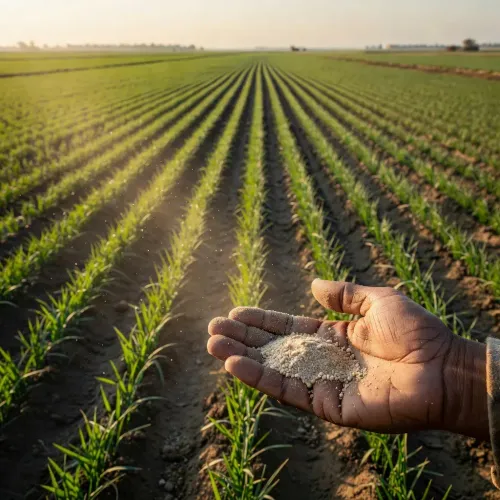
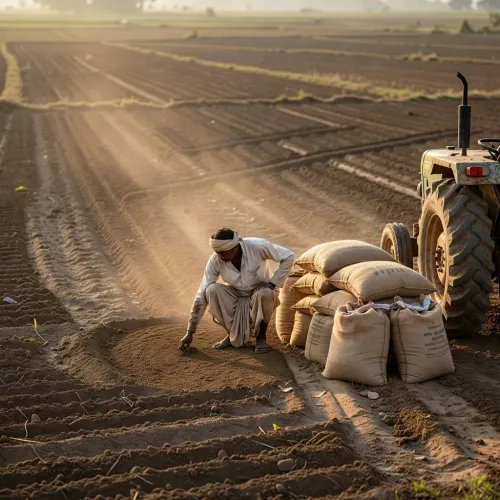
Madhya Pradesh is one of India's largest agricultural states, with millions of small and marginal farmers dependent on the Rabi season for wheat, mustard, and gram cultivation — all crops that rely heavily on phosphatic fertilisers. DAP, which delivers both nitrogen and phosphorus in a single application, is typically the first bagged input a wheat farmer reaches for at planting time.
Any surge in its price at this window directly translates into higher cost of cultivation and, often, reduced application — denting yields before a seed has even germinated. The Cabinet approval locks in subsidised rates precisely at this critical moment in the cropping calendar.
What to watch now: whether subsidised stocks of DAP and other P&K fertilisers move to district-level mandis and cooperative outlets in time for peak sowing demand — and whether mid-season revisions become necessary if global commodity markets shift sharply before the Rabi harvest.
Point of View
Making the optics of affordability as important as the subsidy itself. For Chief Minister Dr. Mohan Yadav, amplifying the Centre's decision is consistent with BJP's sustained effort to frame agrarian welfare as a core governance deliverable ahead of election cycles. The NBS mechanism, now sixteen years old, represents a durable bipartisan policy consensus on fertiliser access, even as debates persist about whether fixed per-nutrient rates adequately track volatile global commodity markets. The real test, as always, lies not in Cabinet approval but in last-mile supply chain execution before the sowing window closes.
NationPress
11 Nov 2026
Frequently Asked Questions
What is the Nutrient Based Subsidy (NBS) scheme for fertilisers?
The Nutrient Based Subsidy scheme, launched in April 2010, provides a fixed government subsidy per kilogram of key nutrients — phosphorus, potassium, nitrogen, and sulphur — in P&K fertilisers, allowing retail prices to remain affordable for farmers without full price controls.
Which fertilisers are covered under the Rabi 2026-27 NBS approval?
The Union Cabinet approved subsidised NBS rates for 28 types of phosphate and potash fertilisers, including Di-Ammonium Phosphate (DAP), for the Rabi 2026-27 cropping season.
How does this Cabinet decision help farmers in Madhya Pradesh?
By locking in subsidised rates on DAP and other P&K fertilisers before peak Rabi sowing, the decision lowers input costs for wheat, mustard, and gram farmers in Madhya Pradesh, one of India's largest agricultural states.
Why does the Cabinet revise NBS rates every season?
NBS rates are revised each Rabi and Kharif season to reflect global market movements in raw materials like phosphoric acid, ammonia, and potash, ensuring the subsidy remains relevant without creating unsustainable fiscal pressure.
What did MP CM Dr. Mohan Yadav say about the Cabinet decision?
CM Dr. Mohan Yadav welcomed the Cabinet approval on behalf of Madhya Pradesh farmers, stating that the decision would make 28 categories of P&K fertilisers available at concessional rates and help reduce agricultural input costs.