CM Saini Calls for Drug-Free Haryana, Urges Mass Awareness Drive
Synopsis
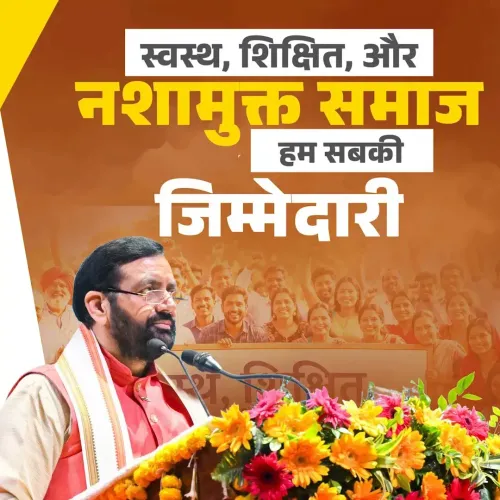
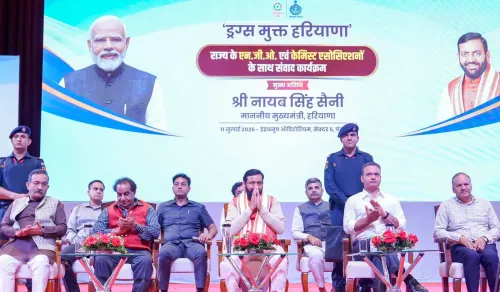
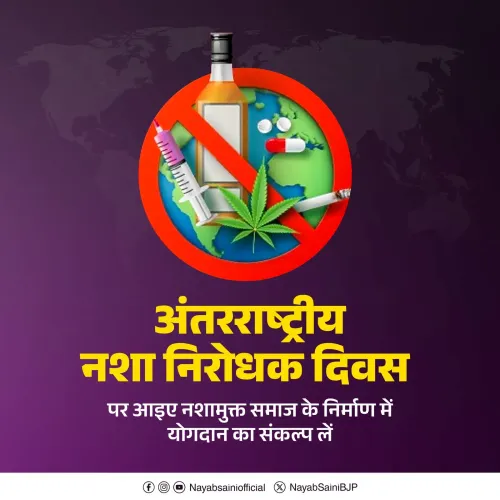
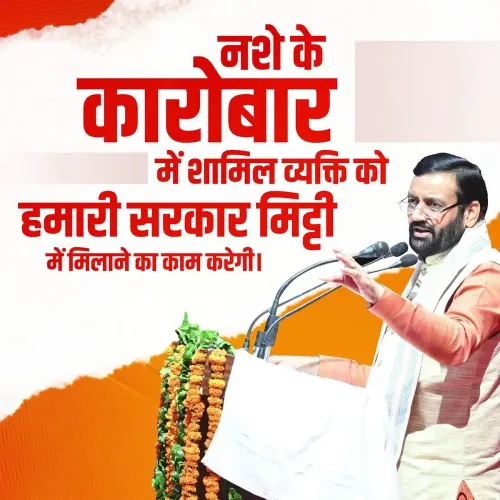
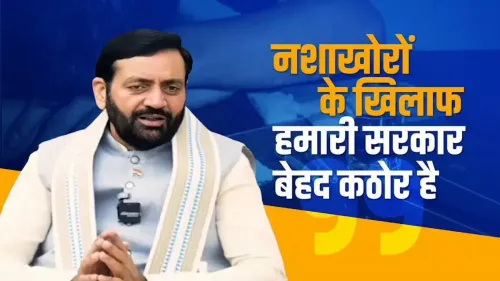
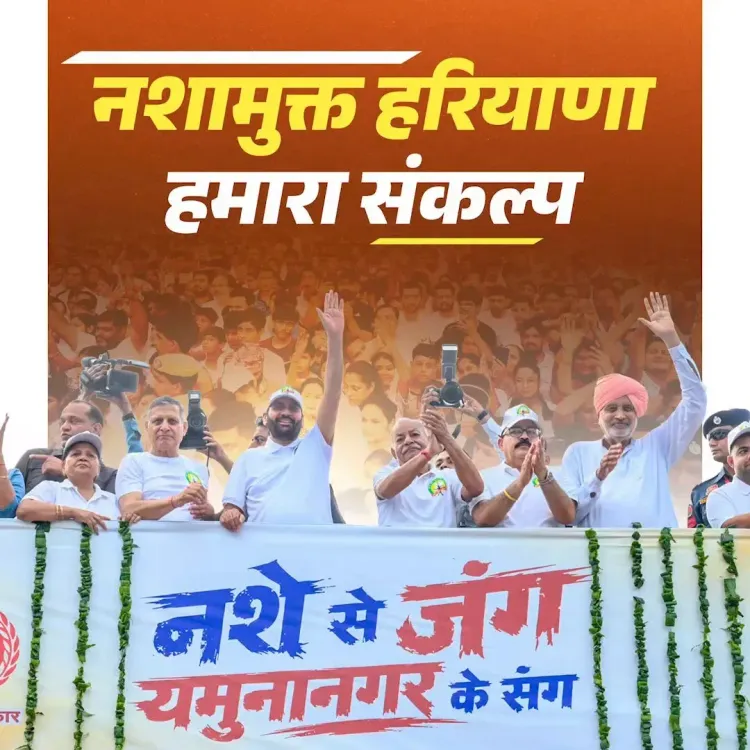
Haryana Chief Minister Nayab Singh Saini on 26 July 2026 called for a drug-free Haryana, urging citizens to join a public-awareness movement against substance abuse and contribute to building a healthy, empowered state for future generations.
Key Takeaways
CM Nayab Singh Saini posted a drug-awareness appeal on 26 July 2026 , accompanied by a video on X.
He described a drug-free Haryana as a 'resolve for the safe and bright future of coming generations.' The appeal aligns with the central government's Nasha Mukt Bharat Abhiyan , launched in August 2020 across 272 high-burden districts .
Haryana's border with Punjab makes cross-border drug supply routes a persistent enforcement challenge.
Primary stakeholders include youth and rural families , who are most affected by substance abuse in the state.
Concrete follow-up measures — such as new de-addiction centres or budget allocations — are yet to be announced.
Haryana Chief Minister Nayab Singh Saini on Sunday, 26 July 2026, renewed his government's commitment to a drug-free state, calling on citizens to join a mass public-awareness movement against substance abuse and work collectively toward a healthy, empowered, and prosperous Haryana.
Context
Posting in Hindi on X, CM Saini wrote: 'Nashamukt Haryana, hamari aane wali peedhiyon ke surakshit aur ujjwal bhavishya ka sankalp hai' — 'A drug-free Haryana is our resolve for the safe and bright future of our coming generations.' He urged every citizen to become part of a public-awareness movement (janjagran) against drugs and contribute to building a 'healthy, empowered, and prosperous Haryana.' The post was accompanied by a video, underscoring the campaign's outreach intent.
Haryana shares a border with Punjab, a state that has long grappled with a severe drug crisis. Proximity to cross-border supply routes has made substance abuse — particularly among youth and rural families — a persistent policy challenge for successive Haryana governments.
Policy Backdrop
The appeal aligns with the central government's Nasha Mukt Bharat Abhiyan, a national demand-reduction campaign launched in August 2020 by the Ministry of Social Justice and Empowerment. The scheme initially targeted 272 identified high-burden districts across India, mobilising communities through school programmes, local bodies, and civil society groups.
India's foundational legal framework on narcotics, the Narcotic Drugs and Psychotropic Substances (NDPS) Act, 1985, governs trafficking and consumption nationwide. State governments like Haryana operate within this framework while running parallel enforcement and rehabilitation initiatives. Chief ministerial messaging of this nature typically accompanies periodic awareness drives, often timed around significant dates such as the International Day Against Drug Abuse observed on 26 June each year.
Stakeholders and Impact
The primary stakeholders in Haryana's anti-drug push are youth and rural families, who bear the heaviest social and economic burden of substance abuse. Community mobilisation — a cornerstone of the Nasha Mukt Bharat framework — depends on local leaders, panchayats, schools, and health workers amplifying such calls to action at the grassroots level.
Northern states have increasingly coordinated enforcement operations targeting cross-border drug supply chains while simultaneously expanding rehabilitation infrastructure. Public appeals by a sitting chief minister serve to reinforce political will and signal administrative priority to district-level machinery responsible for ground implementation.
What's Next
Attention will now turn to whether CM Saini's renewed pledge translates into concrete administrative action — including the rollout of additional de-addiction centres, enhanced inter-state enforcement coordination with Punjab, or fresh budget allocations for awareness programmes in the upcoming assembly session. The video accompanying the post may form part of a wider state-run information campaign, the scope and reach of which are yet to be formally announced.
Point of View
Signalling political commitment without committing to specific budgetary or administrative targets. For a border state like Haryana, where proximity to Punjab's drug crisis creates real electoral and social pressure, such messaging serves a dual purpose: it reassures voters and activates district-level bureaucracy. The accompanying video suggests this is more than a routine post — it may be the opening salvo of a structured campaign. The real test will come in the next assembly session, where allocations for de-addiction infrastructure will reveal whether the resolve is rhetorical or substantive.
NationPress
26 Jul 2026
Frequently Asked Questions
What did Haryana CM Nayab Singh Saini say about drugs?
CM Nayab Singh Saini declared that a drug-free Haryana is the government's resolve for the safe and bright future of coming generations, urging all citizens to join a public-awareness movement against substance abuse.
What is the Nasha Mukt Bharat Abhiyan?
Nasha Mukt Bharat Abhiyan is a national anti-drug campaign launched in August 2020 by the Ministry of Social Justice and Empowerment, initially targeting 272 high-burden districts to reduce drug demand through community mobilisation.
Why is drug abuse a major issue in Haryana?
Haryana shares a border with Punjab, which has long faced a severe drug crisis. Cross-border supply routes have made substance abuse — especially among youth and rural communities — a persistent challenge for the state.
What law governs drug control in India?
The Narcotic Drugs and Psychotropic Substances (NDPS) Act, 1985, is the primary national law governing drug trafficking and consumption in India, within which state governments like Haryana run their own enforcement and rehabilitation programmes.
What steps is the Haryana government expected to take next on drug control?
Policy watchers are looking for concrete follow-through such as new de-addiction centres, inter-state enforcement coordination with Punjab, and fresh budget allocations for awareness programmes in the upcoming Haryana assembly session.