CM Saini Reviews Haryana's 5-Year Higher Education Roadmap
Synopsis
Haryana Chief Minister Nayab Singh Saini reviewed the Higher Education Department's five-year roadmap in Chandigarh on June 25, 2026, targeting university quality, research, innovation, and national and global rankings as part of the state's Vision-2047 blueprint.
Key Takeaways
CM Nayab Singh Saini chaired a review of Haryana's five-year higher education roadmap in Chandigarh on June 25, 2026 .
The roadmap was prepared by the Haryana Higher Education Department and is anchored to the Haryana Vision-2047 development blueprint.
Key focus areas include university quality, research output, innovation, and improvement in national and global rankings .
The plan aligns with the National Education Policy 2020 and the broader Viksit Bharat 2047 national vision.
Haryana had previously pursued a state higher education plan from 2017-18 centred on accreditation and infrastructure upgrades.
Rollout milestones and funding decisions are expected to emerge in forthcoming Haryana state budget sessions.
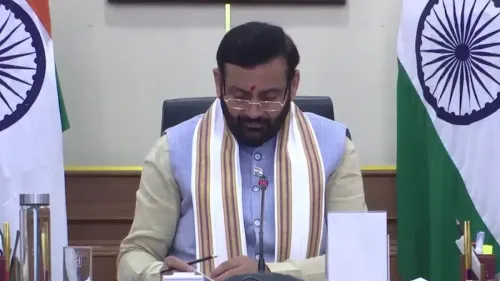
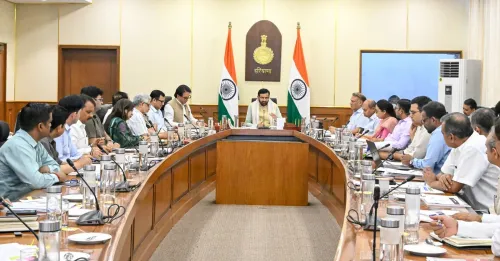
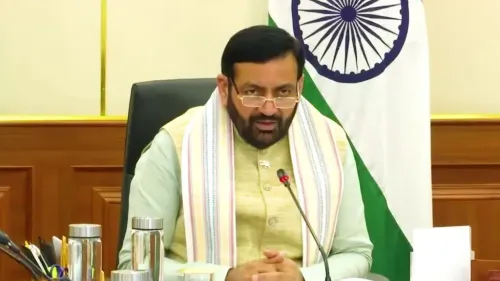
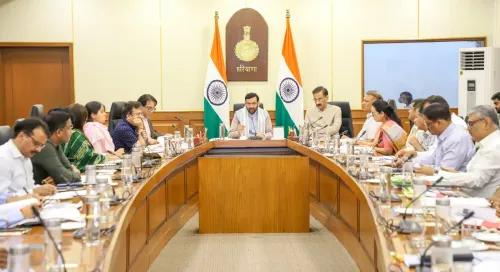
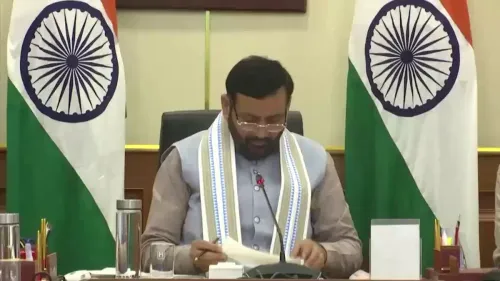
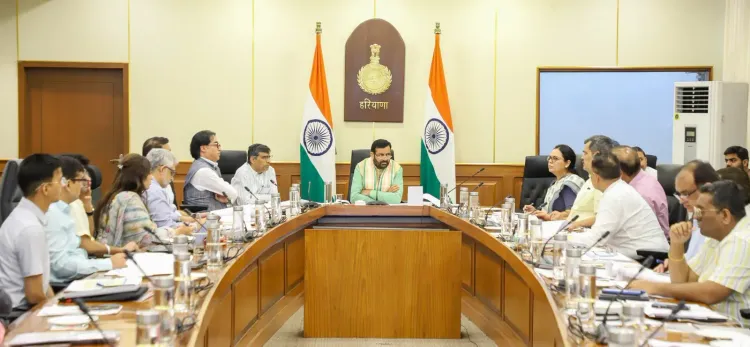
Haryana Chief Minister Nayab Singh Saini on Thursday, June 25, 2026, reviewed a five-year roadmap prepared by the state's Higher Education Department in Chandigarh, aimed at advancing the goals of Haryana Vision-2047. The review focused on strategies to improve university quality, research output, innovation, and performance in national and global rankings.
Context
Posting on X, CM Saini wrote: 'हरियाणा विजन-2047 के लक्ष्यों को मूर्त रूप देने की दिशा में आज चंडीगढ़ में उच्चतर शिक्षा विभाग द्वारा तैयार किए गए आगामी पांच वर्षों के रोडमैप की समीक्षा की' — ('Reviewed the five-year roadmap prepared by the Higher Education Department in Chandigarh today, in the direction of giving concrete shape to the goals of Haryana Vision-2047.'). He added that discussions covered strategies for improving university quality, research, innovation, and national and global rankings.
Haryana Vision-2047 is the state's long-term development blueprint targeting socio-economic transformation by 2047 — India's centenary year of independence. The higher education roadmap sits within this broader framework, with the state government signalling a structured, time-bound approach to tertiary education reform.
Policy Backdrop
The five-year roadmap aligns closely with the National Education Policy (NEP) 2020, which set national targets for higher education quality, research output, multidisciplinary learning, and improved global competitiveness. Haryana had previously pursued an earlier state-level higher education plan from 2017-18 onwards, focused on accreditation and infrastructure upgrades across universities.
The current exercise reflects a renewed push under the Viksit Bharat 2047 vision — the central government's overarching goal of building a developed India by the centenary year — which emphasises a knowledge economy and human capital development. Multiple Indian states have released sector-specific vision documents in alignment with NEP 2020 priorities, and Haryana's roadmap fits this broader national pattern of centre-state coordination on education reform.
Stakeholders and Impact
The roadmap, if implemented as reviewed, would directly affect students enrolled in Haryana's universities and colleges, as well as research scholars and faculty across the state's higher education institutions. Improved rankings — whether on the National Institutional Ranking Framework (NIRF) or global indices such as QS — would have downstream effects on student admissions, faculty recruitment, and research funding flows into state universities.
The Higher Education Department's structured five-year plan also signals a shift toward measurable, time-bound accountability in state-level education governance, moving beyond ad hoc policy interventions toward a roadmap with defined milestones.
What's Next
Attention will now turn to the formal rollout of the roadmap's milestones, including any new funding allocations or regulatory changes that may be announced in upcoming Haryana state budget sessions. Subsequent updates on the ranking trajectories of Haryana universities in NIRF and global assessments will serve as early indicators of the roadmap's effectiveness.
As India moves closer to 2047, how states like Haryana translate vision documents into measurable academic outcomes will be a key test of the centre-state education reform partnership established under NEP 2020.
Point of View
Time-bound execution in higher education — a shift that carries political weight as the BJP-led state government seeks to demonstrate governance outcomes ahead of future electoral cycles. The five-year roadmap framing mirrors a national trend of state governments operationalising NEP 2020 through measurable ranking and research targets, giving the centre-state education partnership a concrete accountability layer. The emphasis on global rankings is particularly notable: it positions Haryana's universities within an international competitive frame rather than a purely domestic one, reflecting the Viksit Bharat 2047 knowledge-economy ambition. Whether the roadmap translates into budgetary commitments and institutional reforms — rather than remaining a policy document — will be the real test of this initiative.
NationPress
25 Jun 2026
Frequently Asked Questions
What is Haryana Vision-2047?
Haryana Vision-2047 is the state government's long-term development blueprint aimed at achieving comprehensive socio-economic transformation by 2047, India's centenary year of independence, spanning sectors including education, infrastructure, and economy.
What did CM Nayab Singh Saini review on June 25, 2026?
CM Nayab Singh Saini reviewed a five-year roadmap prepared by the Haryana Higher Education Department in Chandigarh, covering strategies to improve university quality, research, innovation, and national and global rankings.
How does Haryana's education roadmap relate to NEP 2020?
Haryana's five-year higher education roadmap aligns with the National Education Policy 2020, which set national targets for research output, multidisciplinary education, and improved global competitiveness for Indian universities.
Which university rankings is Haryana targeting?
The roadmap focuses on improving performance in both national rankings such as the National Institutional Ranking Framework (NIRF) and global indices such as QS rankings.
What comes next after the Haryana higher education roadmap review?
The next steps include formal rollout of the roadmap's milestones, potential funding announcements in state budget sessions, and tracking of Haryana universities' performance in NIRF and global ranking cycles.