CM Samrat Choudhary backs Kaveri 2.0 engine push
Synopsis
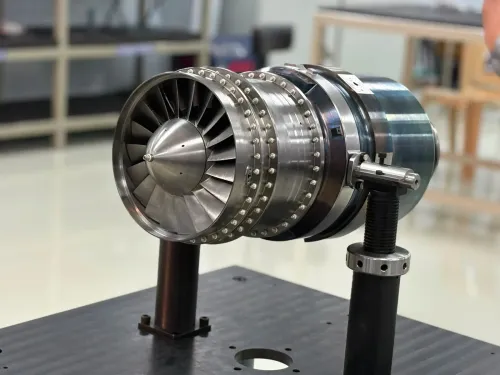
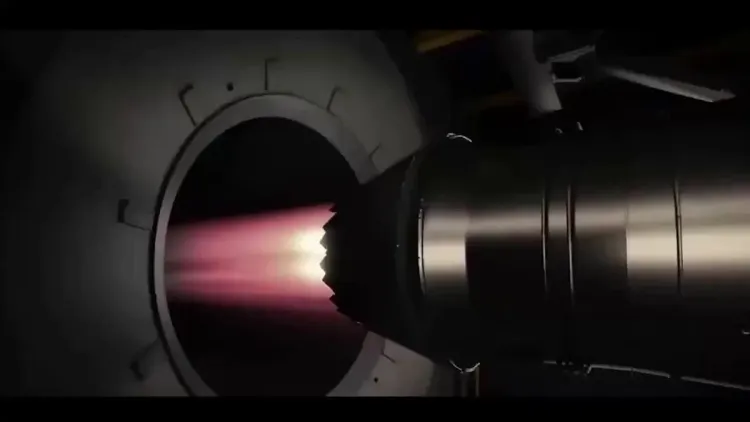
Bihar Chief Minister Samrat Choudhary has publicly backed the Kaveri 2.0 aero-engine programme being developed by DRDO's GTRE, calling it a milestone in India's push to build indigenous fighter-jet engines and reduce dependence on foreign defence technology under the Atmanirbhar Bharat framework.
Key Takeaways
Bihar CM Samrat Choudhary endorsed the Kaveri 2.0 fighter-jet engine programme on August 9, 2026 .
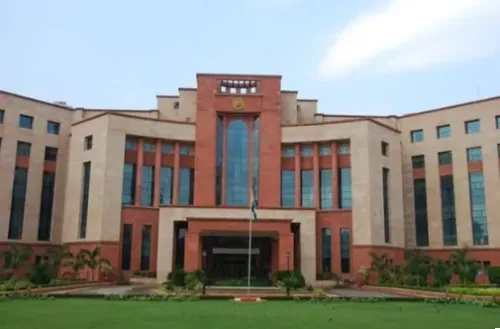
The engine is being developed by GTRE , a DRDO laboratory, as part of India's indigenous defence manufacturing drive.
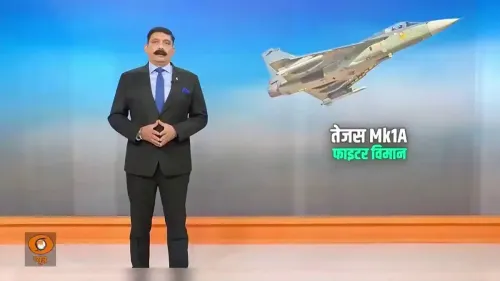
The original Kaveri engine programme dates to the late 1980s and was intended to power the Tejas LCA , but fell short of requirements, forcing India to adopt imported GE F404 engines.
A successful indigenous aero-engine would be critical for India's planned Advanced Medium Combat Aircraft (AMCA) programme.
The push aligns with the Make in India and Atmanirbhar Bharat policy frameworks aimed at cutting defence import dependence.
India's decades-long quest to build its own fighter-jet engine has a new champion in the political spotlight. Bihar Chief Minister Samrat Choudhary on Sunday, August 9, 2026, threw his weight behind the 'Kaveri 2.0' aero-engine programme, calling it a milestone in India's drive to shed foreign dependence in defence technology.
Writing in Hindi, CM Choudhary declared: 'Indian skies will now touch new heights with indigenous power. With the Kaveri 2.0 engine being developed by GTRE, India is taking an important step towards indigenous fighter-aircraft engine manufacturing.' He framed the effort as the living proof of the Atmanirbhar Bharat (Self-Reliant India) resolve — the idea that India must graduate from being a buyer of defence hardware to its maker and leader.
The long shadow of the original Kaveri
The stakes behind this endorsement are rooted in a painful history. GTRE — the Gas Turbine Research Establishment, a DRDO laboratory — first launched the Kaveri turbofan programme in the late 1980s to power the Light Combat Aircraft Tejas. After years of development, the engine fell short of the thrust and reliability benchmarks the programme demanded. By the 2000s, India had pivoted to imported GE F404 engines to keep the Tejas programme alive — a decision that stung the defence-indigenisation lobby and underscored how difficult aero-engine technology truly is.
That gap has never closed. Aero-engine design remains one of the hardest frontiers in aerospace engineering — a domain mastered by only a handful of nations. India's continued reliance on foreign powerplants for its frontline jets is both a strategic vulnerability and a recurring political pressure point.
Why Kaveri 2.0 matters for India's next fighter
The renewed push, framed here as 'Kaveri 2.0', arrives as India accelerates work on the Advanced Medium Combat Aircraft (AMCA) — its fifth-generation stealth fighter. An indigenous engine capable of powering that platform would be transformative: it would reduce import bills, insulate the programme from geopolitical supply-chain risks, and give India sovereign control over its most sensitive military hardware.
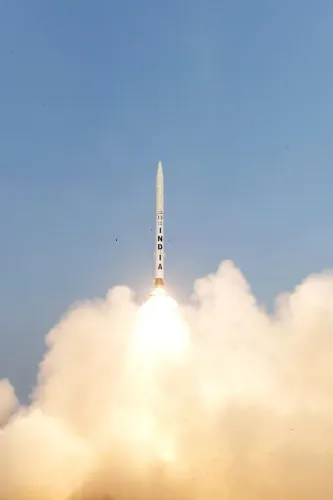
The pattern is familiar. India applied sustained DRDO investment to missiles and radar systems — sectors where early shortfalls eventually gave way to credible indigenous capability. Proponents argue the same trajectory is possible for aero-engines, provided political will and funding hold.
CM Choudhary's post, tagged #MakeInIndia, signals that the political class is actively amplifying the programme — important for sustaining budget and public attention through what will inevitably be a long development road. Flight-testing milestones for any Kaveri variant, and its eventual integration into a production aircraft, remain the definitive tests that will separate promise from delivery.
The skies India wants to own with indigenous power are still ahead. But the runway is getting longer, and the political engines are running.
Point of View
So renewed political backing signals an attempt to reframe the narrative around progress rather than past shortfalls. For the programme itself, sustained political visibility translates into budget protection and inter-ministerial priority — both essential for a technology domain that demands decade-long investment cycles. Whether Kaveri 2.0 can deliver where its predecessor could not will ultimately be decided in test cells and flight envelopes, not on social media.
NationPress
24 Sept 2026
Frequently Asked Questions
What is the Kaveri 2.0 engine?
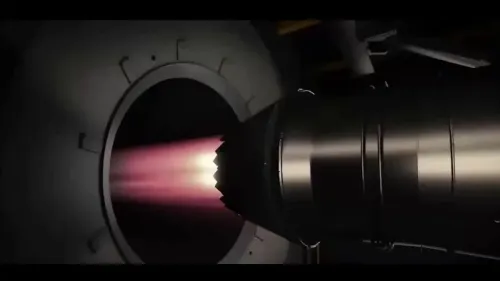
Kaveri 2.0 refers to the next-generation indigenous turbofan engine being developed by GTRE, a DRDO laboratory, building on the original Kaveri programme that aimed to power India's Tejas Light Combat Aircraft.
Why did the original Kaveri engine fail?
The original Kaveri engine did not meet the thrust and reliability requirements for the Tejas LCA programme by the 2000s, leading India to adopt imported GE F404 engines instead.
What is GTRE and what does it do?
GTRE stands for Gas Turbine Research Establishment, a DRDO laboratory specifically tasked with developing indigenous gas turbine engines for Indian military aircraft.
How does the Kaveri engine relate to the AMCA programme?
An indigenous aero-engine derived from or related to the Kaveri programme could potentially power India's Advanced Medium Combat Aircraft (AMCA), its planned fifth-generation stealth fighter, reducing reliance on foreign powerplants.
What is Atmanirbhar Bharat in the defence context?
Atmanirbhar Bharat, launched in 2020, is India's self-reliance campaign that in the defence sector aims to reduce import dependence by boosting domestic R&D and manufacturing of military equipment including aero-engines.