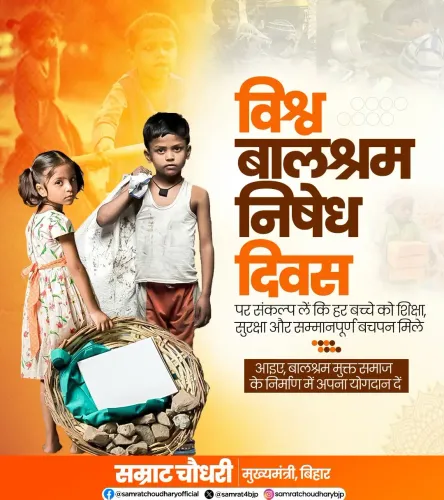
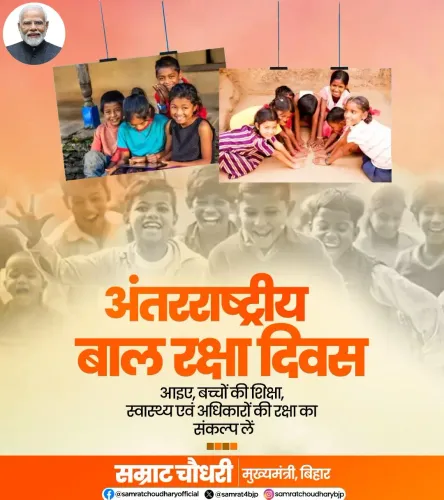
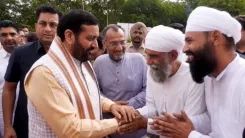
CM Samrat Choudhary backs Nadda's call for Parliament debate on child welfare
Synopsis
Bihar Chief Minister Samrat Choudhary amplified Union Minister J.P. Nadda's appeal for Parliament to move beyond political blame and frame a concrete, cross-party child welfare policy — invoking the principle that children belong to the nation, not any single party.
Key Takeaways
Bihar CM Samrat Choudhary shared a statement by Union Minister J.P.
Nadda on 23 July 2026 calling for parliamentary debate on child welfare.
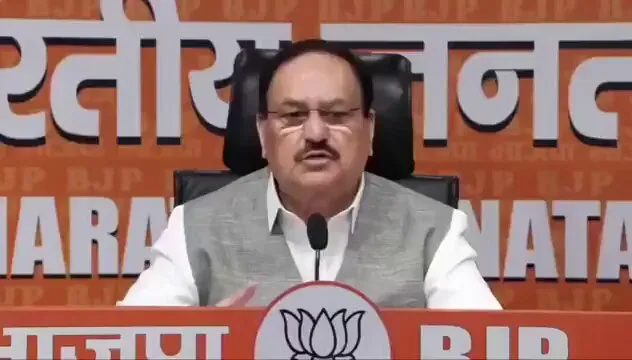
Nadda stated this is 'not the time for accusations' and urged legislators to work together on concrete national policy for children.
He framed children as belonging to the nation, not to any political party, invoking a shared national responsibility.
India's child welfare framework rests on the Right to Education Act, 2009 and the National Policy for Children, 2013 .
The next parliamentary session will be watched for any bills or structured discussions on child welfare frameworks.
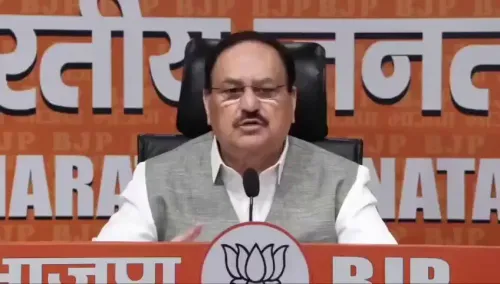
Bihar Chief Minister Samrat Choudhary on Thursday, 23 July 2026, shared a statement by Union Minister J.P. Nadda calling for substantive parliamentary debate on child welfare policy, signalling the BJP's preference for legislative solutions over political blame games on issues affecting children.
Context
The post quotes J.P. Nadda directly: 'यह समय आरोप-प्रत्यारोप का नहीं है' ('This is not the time for accusations and counter-accusations'). Nadda called on legislators to move toward solutions, stating that Parliament is the most appropriate forum for that purpose.
The Union Minister urged that discussions go into finer detail — 'हम इसकी बारीकियों में जाएं' ('let us go into its nuances') — and that all parties work together to frame a concrete national policy for the country's future. Choudhary's decision to amplify the message underlines the Bihar government's alignment with this position.
Policy Backdrop
India has a layered legislative foundation for child welfare. The Right of Children to Free and Compulsory Education Act, 2009 guarantees free schooling to children aged 6 to 14, while the National Policy for Children, 2013 outlines comprehensive rights and development priorities across health, education and protection.
Nadda's statement — 'children do not belong to any one person; they belong to the nation' — echoes a long-standing cross-party consensus that child development is a shared national responsibility, not a partisan issue. Successive governments have positioned investment in children as central to India's demographic dividend.
Stakeholders and Impact
The immediate stakeholders are India's legislators in both Lok Sabha and Rajya Sabha, who would be the primary audience for any expanded parliamentary discussion on child welfare. Beyond the legislature, the statement speaks directly to the interests of India's children — the largest youth population in the world — and the civil society organisations, educators and health workers who advocate for their rights.
By framing the issue as a collective national obligation rather than a government achievement, Nadda's language creates political space for opposition participation. Choudhary's amplification of the message from Bihar — a state with significant child development challenges — adds regional weight to the call.
What's Next
Attention will now turn to the next sitting of Parliament to see whether a structured debate on child welfare policy is tabled, or whether a new legislative framework is introduced. The BJP's emphasis on parliamentary channels suggests the party may seek to consolidate existing laws or introduce amendments addressing gaps in child education, health and protection.
If the cross-party tone signalled by Nadda's statement is sustained, it could open the door to rare consensus-driven legislation — a model that has historically produced more durable social policy outcomes in India.
Point of View
CM Samrat Choudhary is signalling that the BJP intends to shift the child welfare debate from public mudslinging to the formal legislative arena — a move that projects governance credibility ahead of future electoral cycles. The framing of children as 'belonging to the nation' is a deliberate rhetorical strategy to de-politicise the issue and pressure opposition parties into either cooperating or appearing obstructionist. This fits a broader BJP pattern of using parliamentary process as both a policy tool and a political optic. Whether the call translates into actual legislative action in the next session will determine whether this remains messaging or becomes meaningful policy.
NationPress
23 Jul 2026
Frequently Asked Questions
What did J.P. Nadda say about child welfare in Parliament?
J.P. Nadda called for substantive parliamentary debate on child welfare, saying this is not the time for accusations and that legislators should work together to frame concrete national policy, because children belong to the nation and not to any one party.
Why did Bihar CM Samrat Choudhary share Nadda's statement?
CM Samrat Choudhary shared the statement to align Bihar's position with the BJP's national stance that child welfare issues should be resolved through parliamentary debate and legislative solutions rather than political blame.
What laws already govern child welfare in India?
India's key child welfare laws include the Right of Children to Free and Compulsory Education Act, 2009, which guarantees free schooling to children aged 6 to 14, and the National Policy for Children, 2013, which covers rights across health, education and protection.
What is Parliament's role in child welfare policy in India?
Parliament is the supreme legislative body that debates and enacts national policies. It is the forum where laws on child education, health and protection are introduced, amended and passed, making it central to any comprehensive child welfare framework.
What should we watch for after Nadda's child welfare statement?
The next sitting of Parliament should be watched for any tabled debates, proposed bills or amendments related to child welfare, to see whether the BJP's call for legislative action translates into concrete policy moves.