CM Samrat Choudhary Chairs High-Level Planning Review in Patna
Synopsis
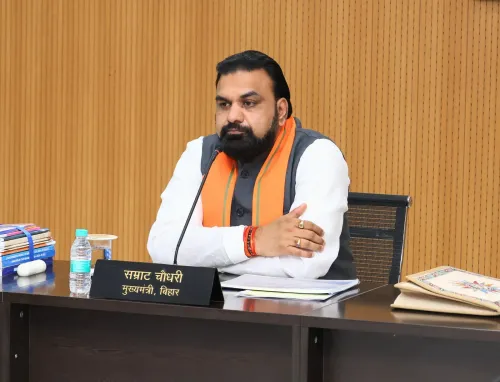
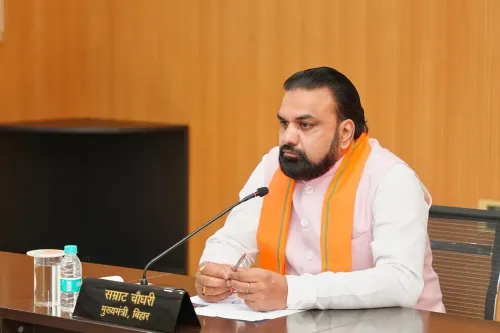
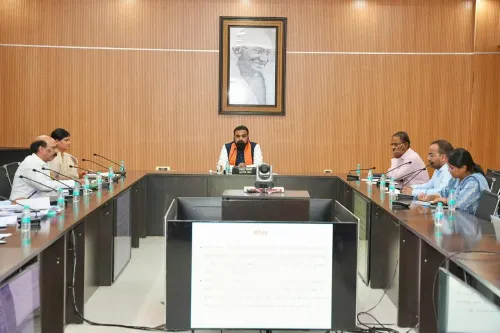
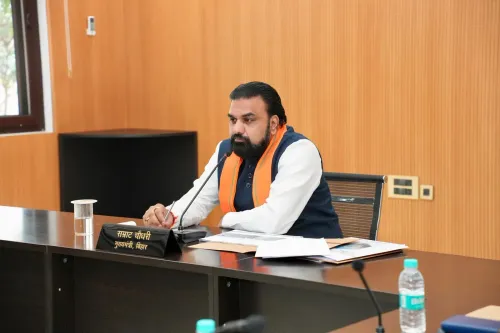
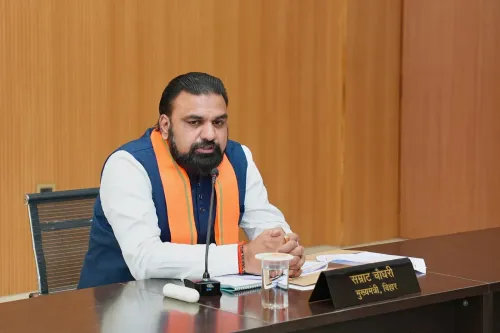
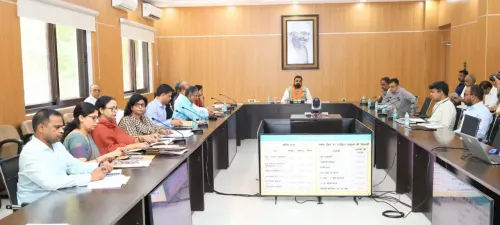
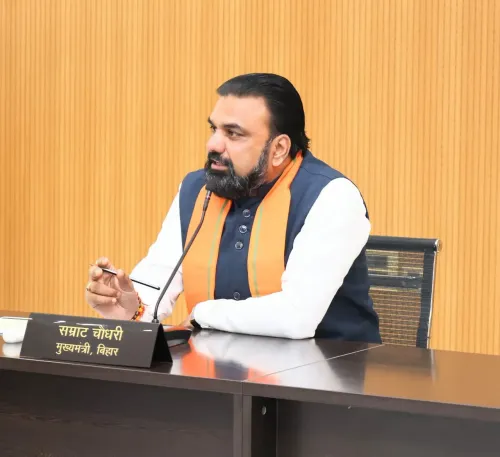
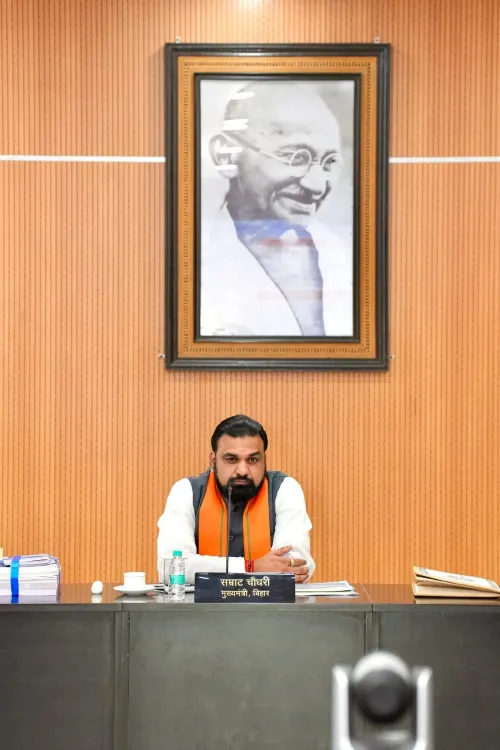
Chief Minister Samrat Choudhary chaired a high-level review of Bihar's Planning and Development Department at Sankalp Sabhagar, Lok Sewak Awas in Patna on 4 July 2026, signalling a focused administrative push to assess scheme progress and state plan implementation.
Key Takeaways
Chief Minister Samrat Choudhary chaired the meeting on 4 July 2026 at Sankalp Sabhagar , Lok Sewak Awas, Patna.
The meeting was a high-level review of the Planning and Development Department , Bihar's nodal body for annual state plans and scheme monitoring.
The review follows a long-standing Bihar government practice of periodic departmental accountability sessions dating to the early 2000s .
Key focus areas in such reviews include infrastructure, human development, and absorption of central grants under flagship schemes.
Follow-up directives, revised plan allocations, or new monitoring committees may be announced by the Chief Minister's Office in coming days.
The Chief Minister's Office of Bihar announced on Saturday, 4 July 2026, that Chief Minister Samrat Choudhary chaired a high-level review meeting of the Planning and Development Department at 'Sankalp Sabhagar', located within the Lok Sewak Awas complex in Patna.
The official post stated: 'Mananiya Mukhyamantri Shri Samrat Choudhary ji ne aaj Lok Sewak Awas sthit Sankalp Sabhagar mein Yojana evam Vikas Vibhag ki uchchstariya samiksha baithak ki' — 'The Honourable Chief Minister Shri Samrat Choudhary today held a high-level review meeting of the Planning and Development Department at Sankalp Sabhagar, Lok Sewak Awas.'
Context
The Planning and Development Department is the nodal body responsible for preparing Bihar's annual state plans, monitoring centrally sponsored schemes, and coordinating with national planning bodies including NITI Aayog. High-level review meetings of this department are convened to assess the physical and financial progress of ongoing schemes and to align state expenditure with development priorities. The Sankalp Sabhagar at Lok Sewak Awas, Patna, serves as a dedicated venue for such senior administrative deliberations by the Chief Minister's Office.
Policy Backdrop
Bihar governments have conducted periodic high-level departmental reviews since the early 2000s as a core instrument of administrative accountability. These forums have historically been used to track fund utilisation, resolve implementation bottlenecks, and issue directives on scheme convergence across departments. The practice has continued across successive administrations irrespective of coalition configurations at the state level, underscoring its institutional character rather than a partisan one. Key focus areas in such reviews typically include infrastructure development, human development indices, and the absorption of central grants under flagship schemes.
Stakeholders and Impact
The primary stakeholders in this review process are senior officials of the Planning and Development Department, state planners, and implementing agencies across Bihar's districts. Decisions taken in such high-level meetings directly influence the pace of scheme implementation and the reallocation of budgetary resources within the state plan. Citizens across Bihar — particularly beneficiaries of centrally and state-sponsored development programmes — stand to be affected by any revised priorities or corrective directives that emerge from the session.
What's Next
Attention will now turn to any follow-up directives, revised plan allocations, or new monitoring mechanisms that the Chief Minister's Office announces in the days following the meeting. Observers of Bihar's governance will watch whether the review leads to measurable changes in scheme implementation timelines or fund disbursement patterns. Such outcomes would indicate the meeting's operational significance beyond its procedural routine.
Point of View
Such visible executive engagement with departmental performance reviews serves a dual purpose: it reinforces the administration's development credentials while creating an institutional record of oversight. The choice of the Sankalp Sabhagar — a name evoking resolve and commitment — as the venue adds a symbolic dimension to what is otherwise a routine administrative exercise. The meeting fits into a broader national pattern of chief ministers using structured review mechanisms to accelerate the utilisation of central funds and demonstrate delivery-oriented governance ahead of electoral cycles.
NationPress
5 Jul 2026
Frequently Asked Questions
What is the Planning and Development Department of Bihar?
The Planning and Development Department of Bihar is the state's nodal body responsible for preparing annual state plans, monitoring centrally sponsored schemes, and coordinating with national planning institutions such as NITI Aayog.
Where is Lok Sewak Awas in Patna?
Lok Sewak Awas is an official residential and administrative complex in Patna used by the Bihar Chief Minister's Office for high-level governmental meetings and administrative functions.
What is Sankalp Sabhagar?
Sankalp Sabhagar is a dedicated meeting hall located within the Lok Sewak Awas complex in Patna, used for senior-level administrative deliberations by the Bihar Chief Minister's Office.
Who is Samrat Choudhary?
Samrat Choudhary is a Bihar politician and BJP leader who has held senior state ministerial positions and, according to the Chief Minister's Office, serves as the Chief Minister of Bihar.
What happens after a high-level departmental review meeting in Bihar?
After such meetings, the Chief Minister's Office typically issues follow-up directives on scheme implementation, may revise plan allocations, and can constitute new monitoring committees to track progress.