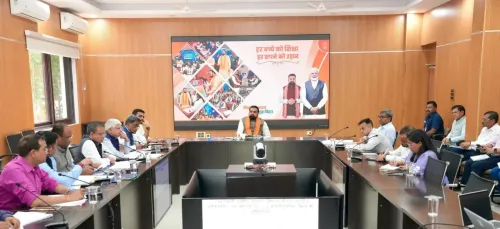
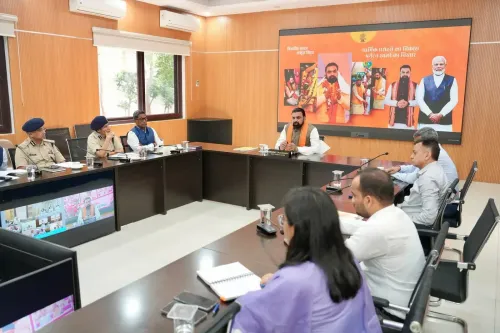
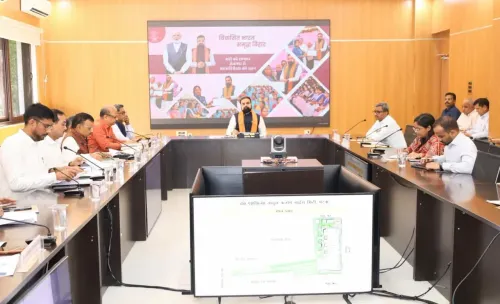
CM Samrat Choudhary Chairs Panchayati Raj Review at Sankalp Hall
Synopsis
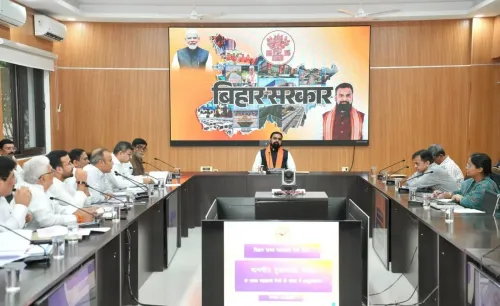
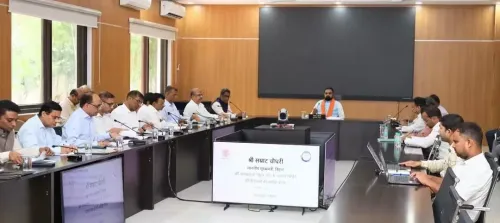
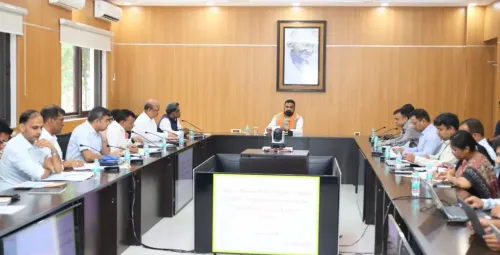
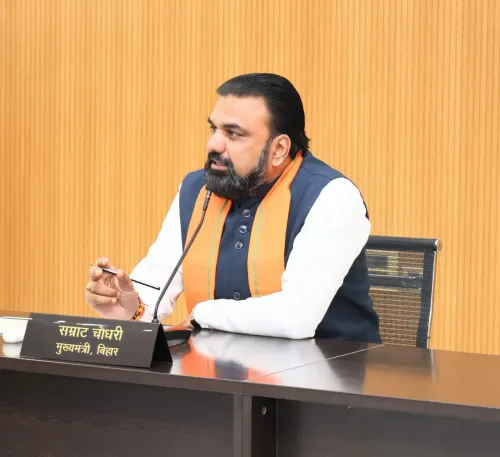
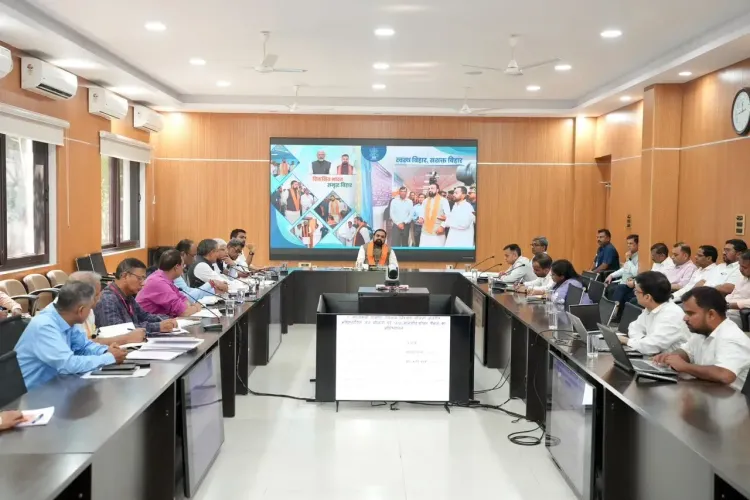
Bihar Chief Minister Samrat Choudhary personally chaired a Panchayati Raj Department review at Patna's Sankalp auditorium on 6 November 2026, putting rural local-body performance and scheme delivery under direct executive scrutiny.
Key Takeaways
CM Samrat Choudhary chaired the Panchayati Raj Department review on 6 November 2026 .
The meeting was held at the 'Sankalp' auditorium, Lok Sewak Avas , Patna — the CM's official residence complex.
Bihar's Panchayati Raj Department oversees gram panchayats, panchayat samitis and zila parishads under the 73rd Constitutional Amendment .
Reviews of this kind assess fund utilisation, scheme implementation and capacity of elected local bodies.
Follow-up directives to district administrations on rural scheme execution are expected in the coming days.
Rural governance moved to the top of Bihar's agenda on Friday, 6 November 2026, as Chief Minister Samrat Choudhary chaired a full departmental review of the Panchayati Raj Department at the 'Sankalp' sabhagar ('Sankalp' auditorium) inside the Lok Sewak Avas — the official Chief Minister's residence in Patna. The meeting signals a direct push from the top to scrutinise how Bihar's vast network of rural local bodies is performing on the ground.
What a Panchayati Raj review actually means
Bihar's Panchayati Raj Department is the nodal body for the state's three-tier rural self-government architecture — gram panchayats, panchayat samitis and zila parishads — mandated under the 73rd Constitutional Amendment. These institutions are the last-mile delivery points for a wide range of centrally and state-funded rural development schemes, from sanitation and drinking water to rural roads and livelihood programmes. A Chief Minister-level review typically examines fund utilisation rates, scheme implementation timelines, and the administrative capacity of elected local-body representatives.
Such meetings are a standard instrument of executive oversight across Indian states, but their frequency and seriousness send a clear signal about where a Chief Minister places his priorities. Holding the meeting at the 'Sankalp' auditorium — the working hub within the CM's official residence — rather than a routine secretariat hall underscores the direct, hands-on nature of the engagement.
What officials and panchayat functionaries will watch next
Review meetings of this nature typically produce follow-up directives: targets for scheme completion, deadlines for pending fund releases, or administrative reshuffles at the block and district level. For the state's panchayat functionaries and rural households, the real measure of Friday's session will be the orders and circulars that flow from it in the coming days. Any fresh directives on decentralised planning or capacity-building of elected local bodies are expected to be communicated to district administrations shortly after the review.
Bihar has one of India's largest rural populations, and the efficiency of its panchayat institutions directly determines how quickly welfare entitlements reach the last household. When a Chief Minister personally chairs the review, the bureaucratic machinery tends to respond — fast.
Point of View
Where rural welfare delivery has historically struggled with last-mile gaps, this kind of executive intervention can accelerate bureaucratic responsiveness. The choice of the Sankalp auditorium, an intimate working space rather than a formal secretariat venue, reinforces the hands-on optic. The real test, however, lies in whether concrete, time-bound directives emerge and whether district-level compliance is tracked — a pattern that separates performative reviews from ones that actually move the needle.
NationPress
6 Nov 2026
Frequently Asked Questions
What is the Panchayati Raj Department in Bihar?
Bihar's Panchayati Raj Department oversees the state's rural local self-government institutions — gram panchayats, panchayat samitis and zila parishads — established under the 73rd Constitutional Amendment to bring governance closer to rural communities.
Who is the Chief Minister of Bihar in 2026?
According to the official Chief Minister's Office of Bihar's post on 6 November 2026, Samrat Choudhary holds the position of Chief Minister of Bihar.
What is the Sankalp auditorium in Patna?
The 'Sankalp' sabhagar is an auditorium located within the Lok Sewak Avas, the official residence of Bihar's Chief Minister in Patna, used for high-level government meetings and reviews.
Why does the Bihar CM hold Panchayati Raj review meetings?
Chief Minister-level reviews of the Panchayati Raj Department are part of standard executive oversight, used to monitor fund utilisation, scheme implementation progress and the administrative performance of rural local bodies across Bihar.
What decisions typically come out of a Panchayati Raj review in Bihar?
Such reviews typically produce follow-up directives on scheme completion targets, pending fund releases, deadlines for infrastructure projects, and capacity-building mandates that are then communicated to district and block administrations.