CM Samrat Choudhary Hails India Pharma Sector's ₹4.72 Lakh Crore Turnover
Synopsis
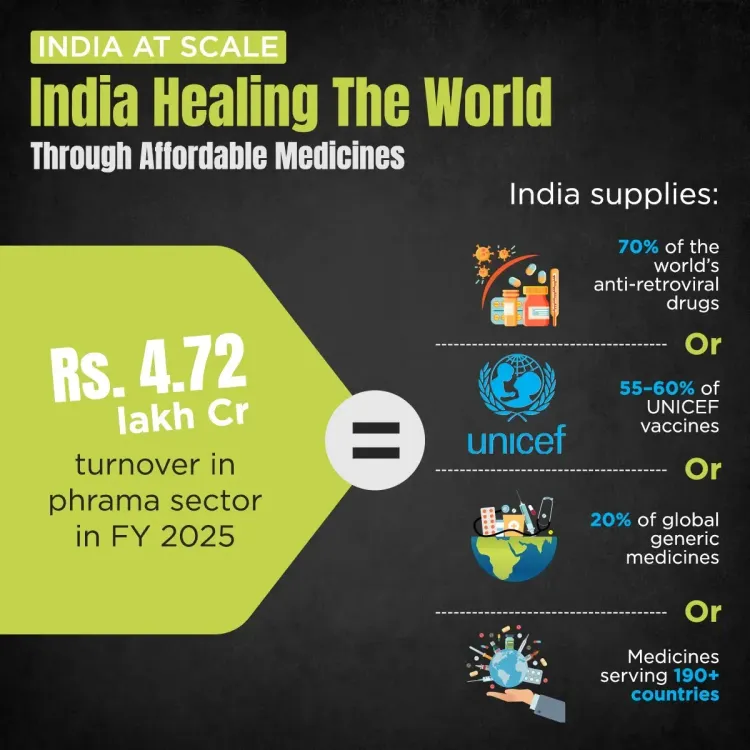
Bihar Chief Minister Samrat Choudhary marked a health policy milestone on June 14, 2026, highlighting India's pharmaceutical sector turnover of ₹4.72 lakh crore and the country's growing role as a global supplier of affordable medicines under the #12YearsOfSwasthBharat banner.
Key Takeaways
Bihar Chief Minister Samrat Choudhary posted on June 14, 2026 , celebrating India's pharmaceutical sector under the hashtag #12YearsOfSwasthBharat .
The post cited a sector turnover of ₹4.72 lakh crore , framing it as a milestone in affordable healthcare and economic growth.
India's pharmaceutical sector is widely recognised as the 'pharmacy of the world,' supplying generic medicines and vaccines to developing nations.
The Production Linked Incentive (PLI) scheme launched in 2020 has been a key policy driver for domestic pharmaceutical manufacturing.
Ayushman Bharat , launched in 2018 , expanded affordable health coverage domestically, sustaining demand for generic medicines.
Next official sector data from the Department of Pharmaceuticals and potential Union Budget incentives will be key markers to watch.
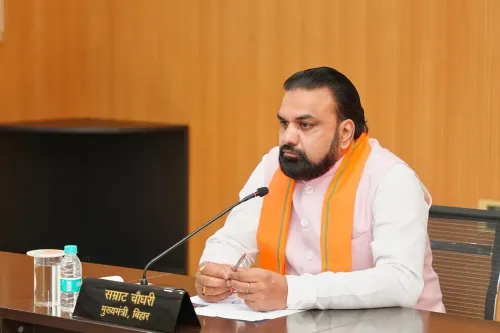
Bihar Chief Minister Samrat Choudhary on Sunday, June 14, 2026, highlighted India's pharmaceutical sector as an emerging global force in affordable healthcare, citing a turnover of ₹4.72 lakh crore and calling it 'a proud milestone in the journey towards a healthier and stronger India.'
Context
Samrat Choudhary posted on X under the hashtag #12YearsOfSwasthBharat, marking what appears to be an anniversary milestone linked to health policy initiatives. The post underscores India's pharmaceutical sector's scale, describing it as strengthening healthcare access, driving innovation, and contributing significantly to economic growth.
The Chief Minister's remarks align with a broader BJP-led narrative of India as the 'pharmacy of the world' — a descriptor that gained international currency during the COVID-19 pandemic, when India supplied generic medicines and vaccines to dozens of countries.
Policy Backdrop
India's pharmaceutical sector has been shaped by successive policy interventions aimed at expanding domestic manufacturing capacity and reducing import dependence. The Production Linked Incentive (PLI) scheme for pharmaceuticals, launched in 2020, was a key driver, offering financial incentives to manufacturers to scale up production of bulk drugs and medical devices.
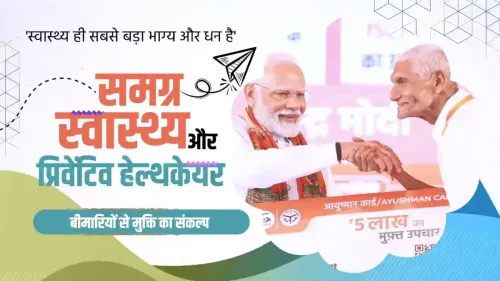
The Ayushman Bharat mission, launched in 2018, extended affordable health coverage to crores of beneficiaries, creating sustained domestic demand for generic medicines — a segment where Indian manufacturers hold a commanding global position. Together, these schemes reflect an industrial-health policy convergence that has defined the sector's recent trajectory.
India's generic medicine exports have grown steadily, with the country supplying a significant share of medicines consumed across Africa, Southeast Asia, and other developing regions. The sector's growth is seen as both an economic achievement and a soft-power asset.
Stakeholders and Impact
The primary beneficiaries of the sector's expansion include pharmaceutical manufacturers, who have gained from PLI-linked incentives and export opportunities, and patients — both domestic and international — who access affordable generic alternatives to expensive branded drugs.
The Union Ministry of Health and Family Welfare and the Department of Pharmaceuticals are the nodal bodies overseeing sector policy, and any fresh data on exports or turnover is typically released through their official channels. The sector also has downstream implications for employment, particularly in manufacturing hubs in Hyderabad, Ahmedabad, and Mumbai.
For Bihar, a state historically less associated with pharmaceutical manufacturing, the Chief Minister's amplification of this national milestone signals an effort to align the state's political messaging with the Centre's health economy narrative.
What's Next
Attention will now turn to the next official release of pharmaceutical export and turnover data by the Department of Pharmaceuticals, which will either substantiate or contextualise the figures cited in political communications. Any fresh incentives announced in the forthcoming Union Budget for the sector will also be closely watched by industry stakeholders.
As India positions itself for deeper integration into global health supply chains, the pharmaceutical sector's performance will remain a key metric in both economic and diplomatic conversations — making milestones like this one politically significant well beyond the health ministry's remit.
Point of View
Likely tied to a scheme or policy anniversary. By amplifying the ₹4.72 lakh crore turnover figure, the BJP is reinforcing a 'development dividend' frame ahead of a budget cycle where health and manufacturing incentives are expected to feature prominently. For a state like Bihar, where healthcare infrastructure remains a persistent challenge, the optics of championing India's pharmaceutical success also serve a domestic audience.
NationPress
14 Sept 2026
Frequently Asked Questions
What is the turnover of India's pharmaceutical sector in 2026?
Bihar Chief Minister Samrat Choudhary cited a turnover of ₹4.72 lakh crore for India's pharmaceutical sector in a post on June 14, 2026, though this figure has not yet been independently verified from official Department of Pharmaceuticals data.
What is #12YearsOfSwasthBharat?
#12YearsOfSwasthBharat is a hashtag used by BJP leaders to mark what appears to be a 12-year milestone linked to India's health policy initiatives, though the precise scheme or date it commemorates has not been officially clarified in public records.
Why is India called the pharmacy of the world?
India is called the pharmacy of the world because it is one of the largest producers and exporters of generic medicines globally, supplying affordable drugs to dozens of countries, particularly across Africa and Southeast Asia. This role was amplified during the COVID-19 pandemic.
What is the PLI scheme for pharmaceuticals?
The Production Linked Incentive (PLI) scheme for pharmaceuticals, launched in 2020, provides financial incentives to domestic manufacturers to scale up production of bulk drugs and medical devices, reducing India's dependence on imports.
What is Ayushman Bharat?
Ayushman Bharat is a national health protection mission launched in 2018 that provides affordable healthcare coverage to crores of beneficiaries in India, creating sustained domestic demand for generic medicines produced by the Indian pharmaceutical sector.