CM Samrat Choudhary Hails 12 Years of Health Reforms Under Modi

Synopsis
Bihar Chief Minister Samrat Choudhary marked 12 years of central health reforms on 14 June 2026, crediting PM Modi's Ayushman Bharat and Jan Aushadhi Pariyojana with reaching over 60 crore citizens and slashing medicine costs by up to 90 per cent.
Key Takeaways
Bihar CM Samrat Choudhary posted on X on 14 June 2026 under #12YearsOfSwasthBharat to highlight central health achievements.
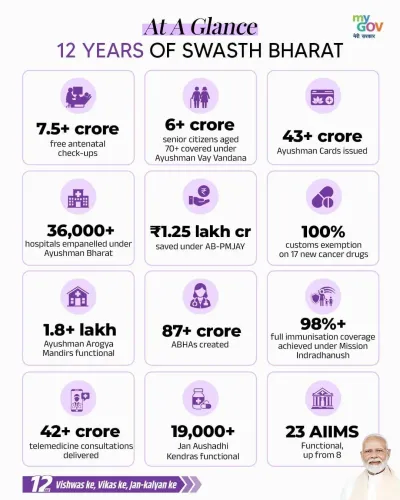
Over 60 crore people have received coverage under the Ayushman Bharat health insurance scheme, according to the post.
More than 19,000 Jan Aushadhi Kendras are operational nationwide, offering generic medicines at 50–90 per cent lower prices than branded drugs.
Ayushman Bharat PM-JAY was launched in 2018 to provide cashless hospitalisation cover to economically vulnerable families.
The Jan Aushadhi Pariyojana has been expanded since 2015 as part of a central strategy to reduce out-of-pocket health expenditure.
Bihar's large rural population makes it a key state for monitoring the on-ground impact of both schemes.
Bihar Chief Minister Samrat Choudhary on Sunday, 14 June 2026, took to X to mark what he termed 12 years of historic transformation in India's health sector under Prime Minister Narendra Modi, highlighting the reach of Ayushman Bharat and the Pradhan Mantri Bharatiya Jan Aushadhi Pariyojana as twin pillars of affordable healthcare for ordinary citizens.
Context
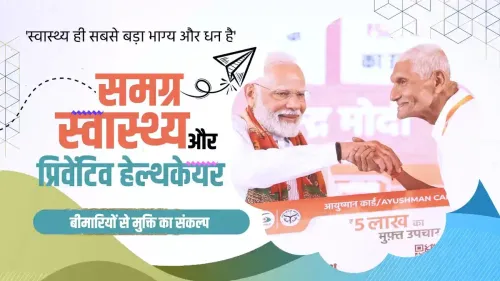
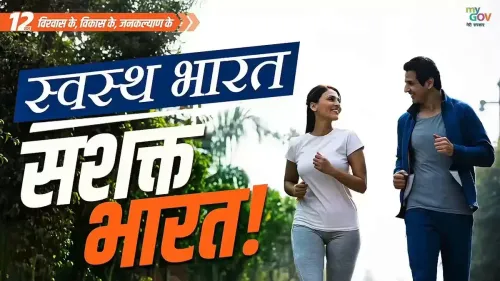
Posting under the hashtag #12YearsOfSwasthBharat (12 Years of a Healthy India), Choudhary wrote that the changes ushered in under Modi's leadership have given 'new security to the lives of crores of fellow citizens.' He specifically noted that over 60 crore people have now received the 'health shield' of Ayushman Bharat, and that more than 19,000 Jan Aushadhi Kendras (generic medicine outlets) are supplying medicines at 50 to 90 per cent cheaper than branded equivalents.
The post concludes with the line: 'Swasth, sashakt aur samaveshi Bharat ke nirman ki yah yatra nirantar aage badh rahi hai' — 'This journey of building a healthy, empowered and inclusive India continues to move forward.'
Policy Backdrop
Ayushman Bharat Pradhan Mantri Jan Arogya Yojana was launched in 2018 to extend cashless hospitalisation cover to low-income families, targeting economically vulnerable households that had historically faced catastrophic out-of-pocket medical expenses. The scheme is widely regarded as one of the largest publicly funded health insurance programmes in the world by intended coverage.
The Pradhan Mantri Bharatiya Jan Aushadhi Pariyojana, expanded from 2015 onward, operates a nationwide network of government-backed retail outlets stocking quality generic medicines procured through central agencies. The dual thrust — insurance coverage on one side and medicine price reduction on the other — reflects the central government's stated strategy of reducing catastrophic health expenditure across income groups.
Stakeholders and Impact
The primary beneficiaries of both programmes are low-income families and rural patients, segments that have historically had limited access to private hospitals and branded pharmaceuticals. For Bihar, one of India's most populous and economically challenged states, the reach of central health schemes carries particular significance given the state's large rural population and historically low health infrastructure indices.
Jan Aushadhi Kendras have drawn attention for making common medicines — including those for diabetes, hypertension, and infections — available at a fraction of branded prices, easing the financial burden on households that spend a disproportionate share of income on healthcare.
What's Next
Analysts and health policy observers will watch for Bihar's state budget sessions and whether the government announces fresh targets for expanding the Jan Aushadhi network within the state, or extends the Ayushman Bharat beneficiary list. The hashtag campaign signals the ruling party's intent to consolidate the health governance narrative ahead of future electoral cycles. The Chief Minister's post aligns with a broader BJP communications pattern of marking governance anniversaries through social media to reinforce the party's welfare delivery record.
Point of View
Reinforcing the party's welfare delivery narrative ahead of electoral cycles. The invocation of two distinct but complementary programmes — insurance coverage and generic drug access — signals a deliberate effort to frame health policy as a continuum rather than isolated interventions. For Bihar, a state where healthcare access gaps remain stark, such messaging serves a dual purpose: national alignment and local credibility-building. The post fits a broader pattern in which BJP-governed states use social media milestones to pre-empt opposition narratives on public welfare.
NationPress
23 Sept 2026
Frequently Asked Questions
What is Ayushman Bharat and how many people does it cover?
Ayushman Bharat Pradhan Mantri Jan Arogya Yojana is a central government health insurance scheme launched in 2018 to provide cashless hospitalisation cover to low-income families. Bihar CM Samrat Choudhary's post states that over 60 crore people have received its health coverage as of June 2026.
What are Jan Aushadhi Kendras and how cheap are medicines there?
Jan Aushadhi Kendras are government-backed outlets under the Pradhan Mantri Bharatiya Jan Aushadhi Pariyojana that sell quality generic medicines at significantly reduced prices. According to Choudhary's post, medicines are available at 50 to 90 per cent less than the cost of branded equivalents, with over 19,000 such centres operating across India.
What is #12YearsOfSwasthBharat?
#12YearsOfSwasthBharat is a social media hashtag used by BJP leaders to mark 12 years of health sector reforms under Prime Minister Narendra Modi's government, which came to power in 2014. The campaign highlights milestones of schemes such as Ayushman Bharat and the Jan Aushadhi Pariyojana.
Why did Bihar CM Samrat Choudhary post about health schemes?
Samrat Choudhary posted on X on 14 June 2026 to credit PM Modi's leadership for transformative changes in India's health sector, citing coverage figures for Ayushman Bharat and the network of Jan Aushadhi Kendras as evidence of progress toward an inclusive and healthy India.
How does the Jan Aushadhi Pariyojana benefit rural patients in Bihar?
The scheme provides affordable generic medicines through a network of over 19,000 government-backed outlets nationwide, easing the financial burden on low-income and rural households that spend a large share of their income on healthcare. Bihar, with its large rural population, is among the states with significant potential benefit from such price-reduction initiatives.