CM Bhajan Lal Hails 12 Years of Modi Govt Health Reforms
Synopsis
Rajasthan CM Bhajan Lal Sharma on 14 June 2026 credited PM Modi's 12-year tenure with transforming Indian healthcare through Ayushman Bharat, Jan Aushadhi Kendras, new AIIMS campuses, and the Digital Health Mission, calling it a foundation for Viksit Bharat.
Key Takeaways
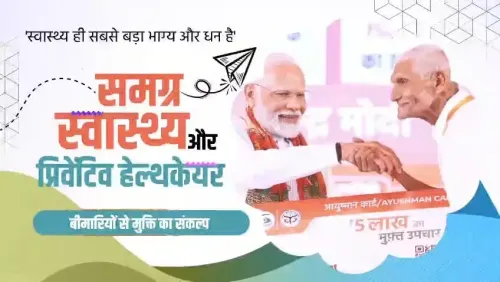
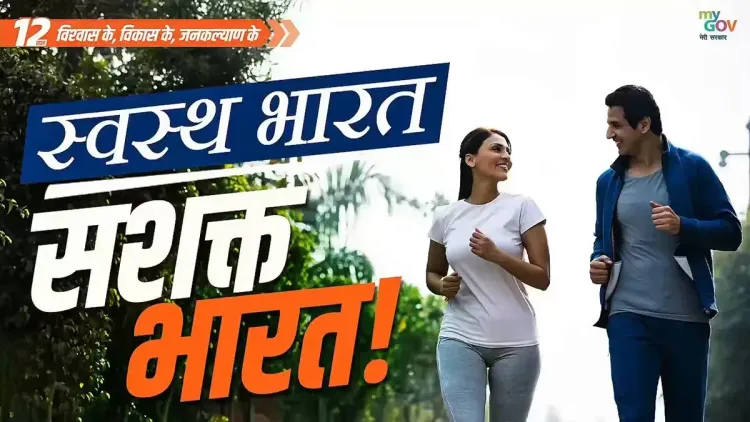
Rajasthan CM Bhajan Lal Sharma posted on 14 June 2026 praising 12 years of Modi government health reforms under the hashtag #12YearsOfSwasthBharat .
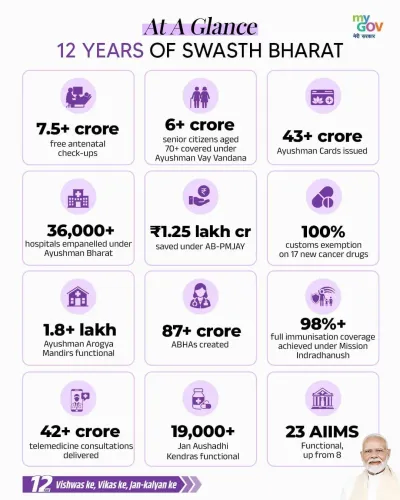
Ayushman Bharat , launched in September 2018 , provides up to ₹5 lakh annual health cover to eligible low-income families.
The Jan Aushadhi Pariyojana , relaunched in 2015 , expanded generic-medicine outlets to improve affordability for ordinary citizens.
Multiple new AIIMS campuses and medical colleges were sanctioned after 2014 to boost specialist care and medical education.
The National Digital Health Mission (2020) created digital health IDs and telemedicine infrastructure, accelerated by lessons from the COVID-19 pandemic.
Sharma framed these initiatives as giving 'new energy' to the Viksit Bharat (Developed India) goal.
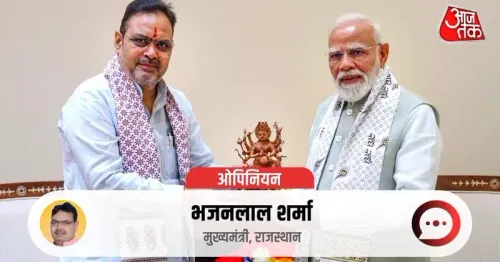
Rajasthan Chief Minister Bhajan Lal Sharma on Sunday, 14 June 2026, praised the transformative changes in India's healthcare sector over the past 12 years under Prime Minister Narendra Modi, saying crores of Indians have experienced a positive shift in their lives. Sharma highlighted flagship initiatives ranging from insurance coverage to digital health infrastructure, framing them as milestones in the journey toward a 'Viksit Bharat' (Developed India).
Context
Sharma's post, shared under the hashtag #12YearsOfSwasthBharat, comes as the BJP marks over a decade of its government at the Centre. In his message, the Chief Minister wrote that under Modi's leadership, treatment has been made a right, medicines have been made accessible, and health services have been made people-centric — 'उपचार को अधिकार, दवाओं को सुलभ और स्वास्थ्य सेवाओं को जन-केंद्रित बनाने की दिशा में अनेक ऐतिहासिक पहलें की गई हैं' ('many historic initiatives have been taken to make treatment a right, medicines accessible, and health services people-centric').
The post specifically names Ayushman Bharat, the Jan Aushadhi Kendra network, new AIIMS campuses and medical colleges, and the Digital Health Mission as pillars of this transformation. Sharma concluded by calling this a 'healthy journey of new India' that is giving fresh energy to the resolve of a developed India.
Policy Backdrop
Ayushman Bharat Pradhan Mantri Jan Arogya Yojana, announced in the 2018 Union Budget and rolled out from September 2018, provides up to ₹5 lakh annual health cover to eligible low-income families for secondary and tertiary care, making it one of the world's largest government-funded health protection schemes. It represents the demand-side financing leg of the Centre's health strategy.
On the supply side, the Pradhan Mantri Bharatiya Jan Aushadhi Pariyojana, relaunched in 2015, expanded the network of generic-medicine outlets with a target initially set at 3,000 stores and later scaled significantly higher. Simultaneously, multiple new AIIMS campuses were sanctioned and operationalised after 2014 to increase specialist medical seats and research capacity across underserved regions.
The National Digital Health Mission, announced in 2020 and built on the National Digital Health Blueprint of 2019, aims to create unique health IDs, digital health records, and telemedicine infrastructure — an effort that gained momentum after the COVID-19 pandemic underscored the need for data-driven resource allocation. The National Health Policy 2017 had earlier set a goal of raising public health expenditure to 2.5% of GDP.
Stakeholders and Impact
The primary beneficiaries of these programmes are low-income families, rural patients, and medical education aspirants who previously had limited access to affordable specialist care. The Jan Aushadhi Kendras have been particularly significant for patients managing chronic conditions, as generic medicines are dispensed at a fraction of branded-drug prices.
For Rajasthan, a large state with a substantial rural population, central health schemes have been implemented through state-level committees. CM Sharma, who took office in December 2023, has consistently amplified central welfare programmes in his public communications, aligning state messaging with the broader BJP narrative on governance delivery.
What's Next
Attention will now turn to Rajasthan's 2025-26 health budget allocations for Ayushman Bharat infrastructure and whether any new AIIMS or medical college approvals are announced in the next Union Budget session. The Centre's ability to sustain and deepen digital health infrastructure across states like Rajasthan will be a key indicator of whether the policy gains described by Sharma translate into measurable outcomes at the district level.
As the BJP continues to frame its 12-year health record as a cornerstone of the 'Viksit Bharat' agenda, state governments led by the party are expected to intensify outreach around scheme enrolment and beneficiary coverage ahead of future electoral cycles.
Point of View
Where chief ministers amplify the central government's policy record to reinforce a unified electoral narrative. The timing — marking 12 years of Modi's tenure — signals a deliberate campaign to consolidate the party's health-governance credentials ahead of future polls. By invoking Ayushman Bharat, Jan Aushadhi, and Digital Health in a single post, Sharma is stitching together demand-side insurance, supply-side infrastructure, and technology into a coherent legacy argument. The real test, however, lies in ground-level metrics: enrolment saturation, claim settlement rates, and functional Jan Aushadhi outlets in Rajasthan's rural belts.
NationPress
26 Sept 2026
Frequently Asked Questions
What is Ayushman Bharat and who benefits from it?
Ayushman Bharat Pradhan Mantri Jan Arogya Yojana, launched in September 2018, provides up to ₹5 lakh annual health insurance cover to eligible low-income families for secondary and tertiary hospitalisation, making quality care accessible without out-of-pocket expenses.
What are Jan Aushadhi Kendras?
Jan Aushadhi Kendras are government-backed outlets that sell quality generic medicines at significantly lower prices than branded equivalents. The scheme was relaunched in 2015 under the Pradhan Mantri Bharatiya Jan Aushadhi Pariyojana and has been expanded nationwide.
How many new AIIMS have been set up under the Modi government?
Multiple new AIIMS campuses were sanctioned and operationalised after 2014 to increase specialist medical seats and research capacity across regions that previously lacked such institutions. Exact operational counts beyond 2024 are subject to official government updates.
What is the National Digital Health Mission?
The National Digital Health Mission, announced in 2020, aims to create unique digital health IDs for citizens, maintain digital health records, and build telemedicine infrastructure across India to improve data-driven healthcare delivery.
Why did Rajasthan CM Bhajan Lal Sharma post about health reforms?
CM Sharma posted on 14 June 2026 as part of the BJP's #12YearsOfSwasthBharat campaign marking over a decade of the Modi government, highlighting central health schemes and their impact on crores of Indian families.