CM Samrat Choudhary Hails PM Modi's Manila Gurudwara Visit
Synopsis
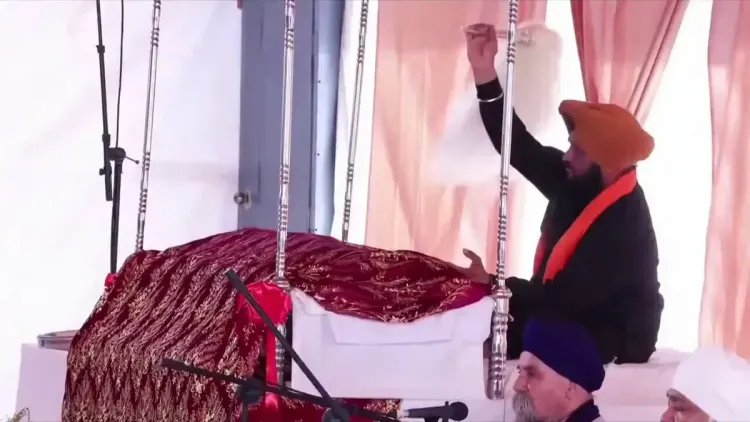
Bihar Chief Minister Samrat Choudhary hailed PM Narendra Modi's visit to the century-old Gurudwara Khalsa Diwan in Manila, where the Prime Minister joined the ardas and laid the foundation stone for the historic shrine's redevelopment, calling it a tribute to Sikh heritage and seva.
Key Takeaways
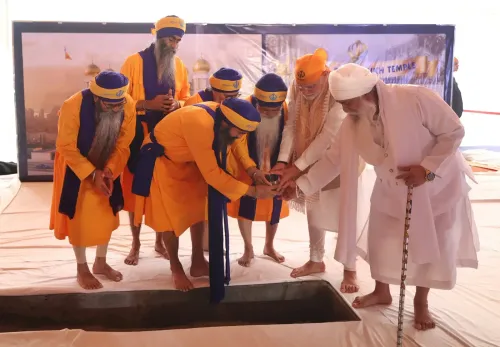
PM Narendra Modi visited Gurudwara Khalsa Diwan in Manila on 17 November 2026 and participated in the community prayer, the ardas .
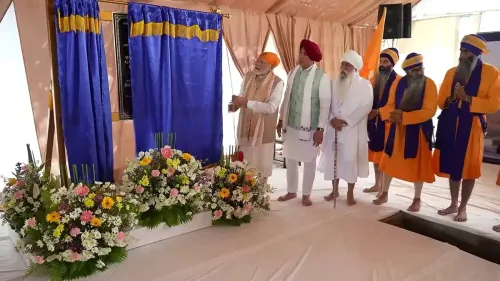
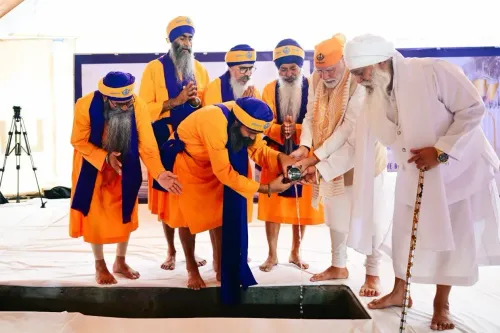
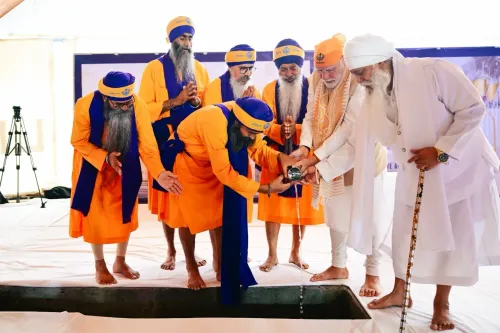
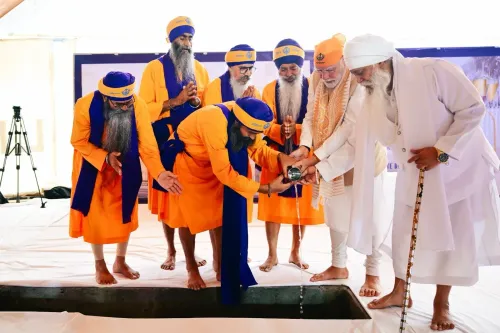
Modi laid the foundation stone for the gurudwara's redevelopment , a site with over a century of Sikh history in the Philippines.
Bihar CM Samrat Choudhary praised the visit on X, calling it a 'deeply moving symbol of respect' for Sikh spiritual heritage, service, and dedication.
The visit fits an established pattern of Indian cultural diplomacy linking senior leaders' overseas gurudwara visits with diaspora outreach and soft-power messaging.
The redevelopment of the Manila gurudwara could strengthen India-Philippines cultural and diaspora ties in the coming years.
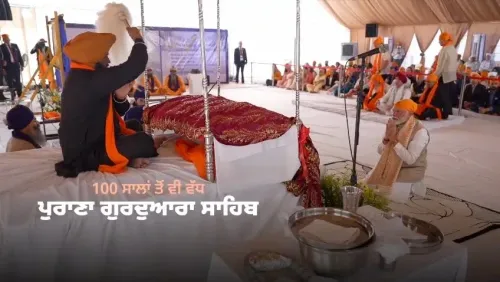
A century-old Sikh shrine in the Philippine capital became the stage for a moment of cultural diplomacy on Tuesday, 17 November 2026, as Prime Minister Narendra Modi visited the historic Gurudwara Khalsa Diwan in Manila and participated in the ardas — the collective Sikh prayer — before laying the foundation stone for the gurudwara's redevelopment. Bihar Chief Minister Samrat Choudhary marked the occasion with a resounding tribute on X, opening with the Sikh affirmation 'Jo Bole So Nihal, Sat Sri Akal.'
A Century of History, A New Foundation Stone in Manila
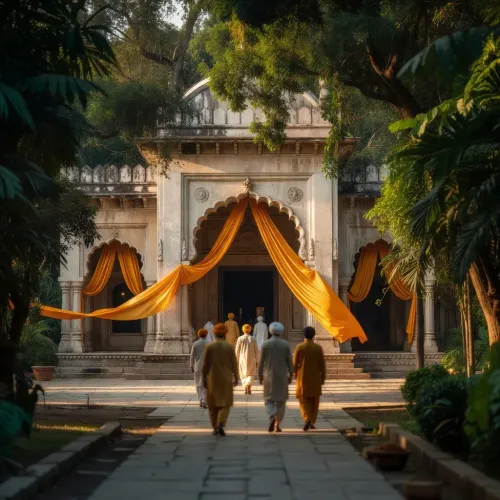
The Gurudwara Khalsa Diwan in Manila is one of Southeast Asia's oldest Sikh places of worship, carrying over a hundred years of documented history within the Filipino capital. For the small but deeply rooted Sikh diaspora in the Philippines, the site is not merely a religious address — it is an anchor of identity, community memory, and the ethos of seva (selfless service) that defines Sikh public life. PM Modi's participation in the ardas at this gurudwara, and the laying of a foundation stone for its redevelopment, signals that the visit was both a spiritual gesture and a practical commitment to preserving that heritage.
CM Choudhary, in his post, called the Prime Minister's presence and participation 'a deeply moving symbol of respect for the Sikh community's rich spiritual heritage, spirit of service, and dedication.' He described the foundation-laying as a 'commendable initiative' to carry forward the great traditions of Sikhism, human values, and the spirit of service to future generations.
Cultural Diplomacy Dressed in Devotion
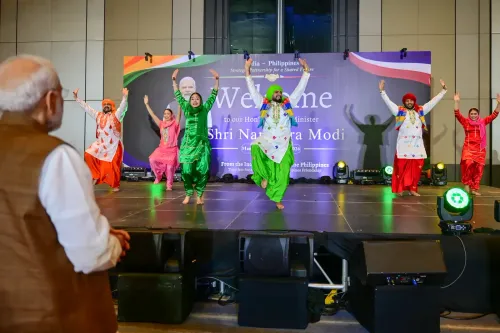
Indian political leaders have long used visits to overseas Sikh shrines to simultaneously honour diaspora communities and reinforce India's soft-power presence abroad. This Manila episode fits squarely within that pattern — a head of government stepping inside a gurudwara on foreign soil, joining in prayer, and then committing state attention to the site's physical renewal. The message travels in two directions at once: inward, to Sikh communities across India and the world, and outward, to the host country, as a demonstration of India's respect for its citizens wherever they have planted roots.
The Sikh diaspora in the Philippines, while smaller than its counterparts in Canada, the United Kingdom, or the United States, has historically been active in trade, community life, and philanthropy. A renewed Gurudwara Khalsa Diwan in Manila could serve as a strengthened node for India-Philippines cultural and diaspora ties in the years ahead.
Samrat Choudhary's Signal from Patna
That a Bihar Chief Minister chose to amplify a cultural-diplomacy moment unfolding thousands of kilometres away in Manila is itself notable. Senior BJP leaders routinely echo PM Modi's overseas engagements to reinforce the party's message of inclusivity toward religious minorities and diaspora communities — and a Gurudwara visit, with its universal optics of humility and service, is precisely the kind of moment that travels well across the party's communication ecosystem. Choudhary's invocation of the Sikh greeting at the top of his post gave the tribute an air of genuine reverence rather than rote political endorsement.
The redevelopment timeline for the Manila gurudwara, and whether it will be supported by any formal India-Philippines bilateral cultural or diaspora framework, remains the story to follow in the coming weeks.
Point of View
And a gurudwara, with its universal ethos of seva and open doors, offers symbolism that cuts across communal lines. CM Choudhary's enthusiastic echo from Patna also reflects the party's coordinated amplification machinery, turning a foreign visit into a nationwide messaging moment. The real policy test will come in whether the Manila gurudwara redevelopment is backed by a formal bilateral framework — that would elevate the gesture from symbolism to statecraft.
NationPress
17 Nov 2026
Frequently Asked Questions
Which gurudwara did PM Modi visit in Manila?
PM Modi visited Gurudwara Khalsa Diwan in Manila, Philippines, a historic Sikh place of worship with over a century of documented history.
What did PM Modi do at the Manila gurudwara?
PM Modi participated in the ardas (collective Sikh prayer) and laid the foundation stone for the gurudwara's redevelopment during his visit on 17 November 2026.
Why did Bihar CM Samrat Choudhary comment on PM Modi's Manila visit?
Bihar CM Samrat Choudhary praised the visit as a tribute to Sikh spiritual heritage and the spirit of seva, calling the foundation-laying a commendable initiative for future generations.
What is the significance of Gurudwara Khalsa Diwan in Manila?
The Gurudwara Khalsa Diwan in Manila is one of Southeast Asia's oldest Sikh shrines, serving as a cultural and spiritual anchor for the Sikh and Indian diaspora in the Philippines for over a hundred years.
How does PM Modi's gurudwara visit fit into India's foreign policy?
Indian leaders routinely visit overseas Sikh shrines during foreign trips as a form of cultural diplomacy , reinforcing ties with the global Sikh diaspora and projecting India's soft power in host countries.