CM Samrat Choudhary Inaugurates 68.80 km Belwa-Meenapur Link Canal
Synopsis
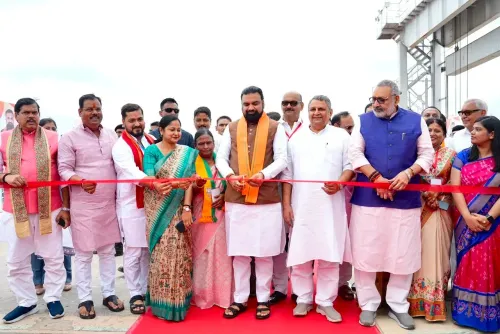
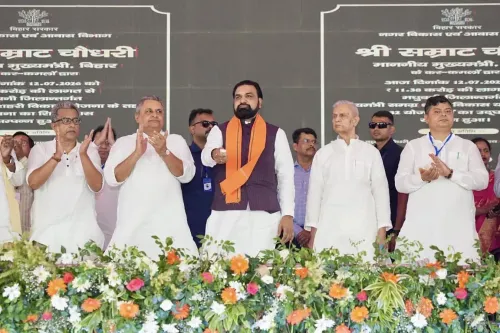
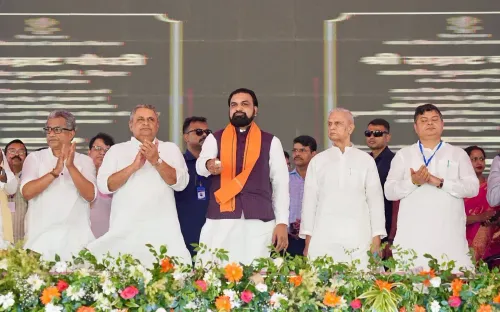
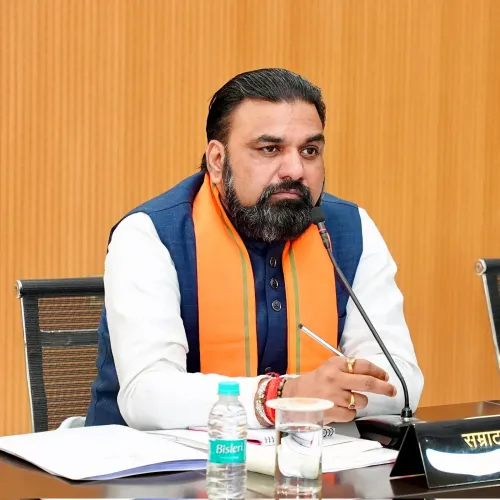
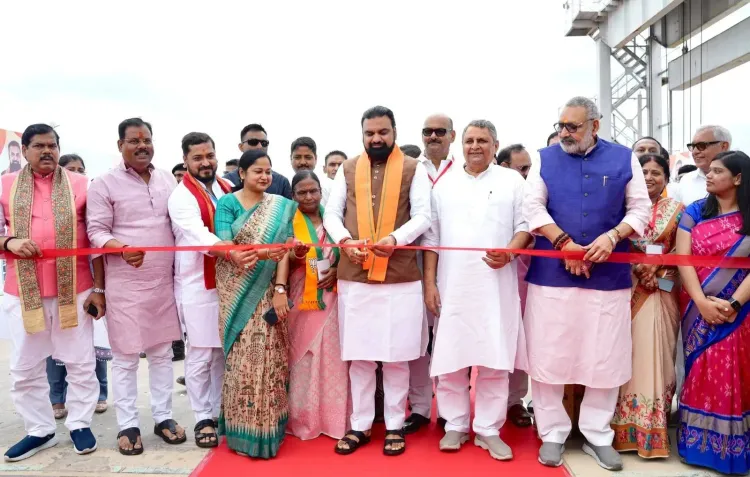
Bihar Chief Minister Samrat Choudhary on 19 July 2026 inaugurated the 68.80 km Belwa-Meenapur Link Channel under the Bagmati-Burhi Gandak River Link Scheme, built at Rs 130.88 crore to improve flood management and irrigation across Sheohar and Muzaffarpur districts.
Key Takeaways
Bihar CM Samrat Choudhary inaugurated the Belwa-Meenapur Link Channel (Belwadhar) on 19 July 2026 .
The canal is 68.80 kilometres long and was built at a cost of Rs 130.88 crore .
It runs from Belwa in Sheohar district to Meenapur in Muzaffarpur district under the Bagmati-Burhi Gandak River Link Scheme .
The project is framed as an extension of former PM Atal Bihari Vajpayee 's Nadi Jodo Abhiyan , advanced under PM Narendra Modi .
Intended benefits include flood mitigation, improved irrigation for north Bihar farmers, and new employment opportunities in the region.
Progress on remaining stretches of the broader river-link scheme will be closely watched for flood and crop-yield outcomes.
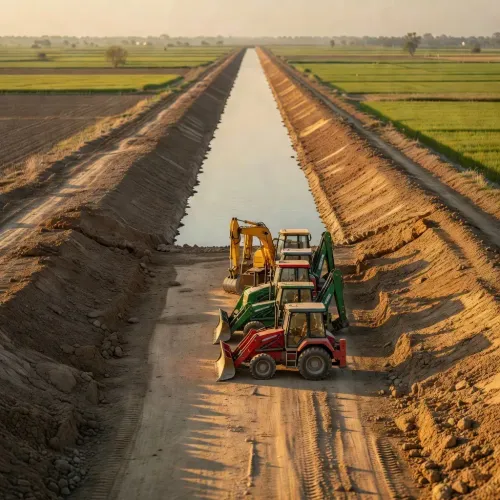
Bihar Chief Minister Samrat Choudhary on Sunday, 19 July 2026, inaugurated and inspected the Belwa-Meenapur Link Channel (Belwadhar), a 68.80-kilometre canal built at a cost of Rs 130.88 crore under the Bagmati-Burhi Gandak River Link Scheme, stretching from Belwa in Sheohar district to Meenapur in Muzaffarpur district.
Context
Choudhary described the project as a realisation of former Prime Minister Atal Bihari Vajpayee's Nadi Jodo Abhiyan (River-Linking Campaign), now being carried forward under the leadership of Prime Minister Narendra Modi. In his post, the Chief Minister said the channel 'will give new direction to flood management, irrigation capacity, and the scientific use of water resources.' The inauguration marks a significant milestone in a canal network that has been in planning for decades across north Bihar's flood-prone Gangetic plains.
Policy Backdrop
The idea of interlinking India's rivers at scale was institutionalised when the Vajpayee government constituted a task force in 2002 to prepare a national river-interlinking plan aimed at moving surplus water to deficit basins. The National Water Development Agency had earlier identified Himalayan river links in Bihar — including connections between the Bagmati, Kosi, and Gandak river systems — under the National Perspective Plan drawn up in the 1980s. Successive central governments have pursued these proposals to address recurrent flooding in the Ganga plains and to augment irrigation availability.
The Bagmati-Burhi Gandak River Link Scheme is designed specifically to connect the two basins in north Bihar, reducing flood peaks while channelling water for agricultural use during dry spells. Sheohar and Muzaffarpur districts — the two endpoints of this newly commissioned stretch — are among the regions most frequently inundated by the Bagmati and Gandak rivers during the monsoon.
Stakeholders and Impact
The primary beneficiaries are north Bihar farmers and flood-affected villages across Sheohar and Muzaffarpur districts. Chief Minister Choudhary stated that the project 'will increase agricultural productivity for farmers, create new employment opportunities, and give new momentum to the resolve of a developed Bihar.' The dual function of the channel — carrying away excess monsoon water while retaining it for irrigation in lean months — addresses the paradox of annual flooding coexisting with seasonal water scarcity that has long defined the agrarian calendar in this region.
Beyond agriculture, the commissioning of the link canal is expected to ease pressure on road and rail infrastructure that is routinely disrupted by Bagmati and Gandak floods, with downstream effects on trade and daily mobility in the two districts.
What's Next
Attention will now turn to the remaining stretches of the broader Bagmati-Burhi Gandak River Link Scheme and to official assessments of post-commissioning outcomes — particularly whether the channel delivers measurable reductions in flood inundation and improvements in crop yields across Sheohar and Muzaffarpur. The Bihar government's ability to demonstrate tangible results from this stretch will influence the pace and political momentum behind completing the wider interlinking network in north Bihar ahead of the next agricultural cycle.
Point of View
Making any commissioned stretch a visible proof point for the ruling dispensation. For Chief Minister Choudhary, the event reinforces the BJP's governance credentials in flood-ravaged north Bihar, where water management is a perennial electoral issue. Whether the channel delivers on its dual promise of flood relief and irrigation augmentation will ultimately determine how durable that political dividend proves to be.
NationPress
20 Jul 2026
Frequently Asked Questions
What is the Belwa-Meenapur Link Channel in Bihar?
The Belwa-Meenapur Link Channel, also called Belwadhar, is a 68.80-kilometre canal built under the Bagmati-Burhi Gandak River Link Scheme connecting Belwa in Sheohar district to Meenapur in Muzaffarpur district. It is designed to manage floods and improve irrigation in north Bihar.
How much did the Belwa-Meenapur canal project cost?
The Belwa-Meenapur Link Channel was built at a cost of Rs 130.88 crore under the Bagmati-Burhi Gandak River Link Scheme.
What is the Bagmati-Burhi Gandak River Link Scheme?
The Bagmati-Burhi Gandak River Link Scheme is a Bihar government project aimed at connecting the Bagmati and Burhi Gandak river basins to reduce flooding and improve water availability for irrigation in north Bihar districts.
What is Atal Bihari Vajpayee's Nadi Jodo Abhiyan?
The Nadi Jodo Abhiyan, or River-Linking Campaign, was a national initiative launched under former Prime Minister Atal Bihari Vajpayee, who constituted a task force in 2002 to plan the interlinking of India's rivers to transfer surplus water to water-deficit regions.
Which districts benefit from the Belwa-Meenapur Link Channel?
The channel primarily benefits Sheohar and Muzaffarpur districts in north Bihar, two regions frequently affected by Bagmati and Gandak river floods, by improving flood management and expanding irrigation capacity for local farmers.