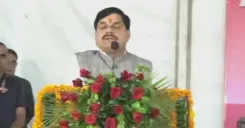
CM Samrat Choudhary launches classes in 211 new degree colleges
Synopsis
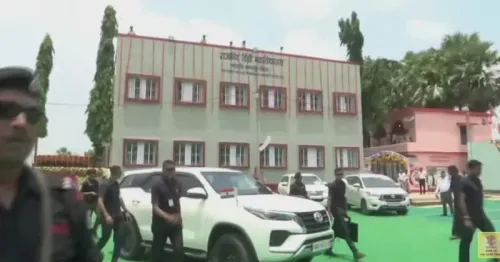
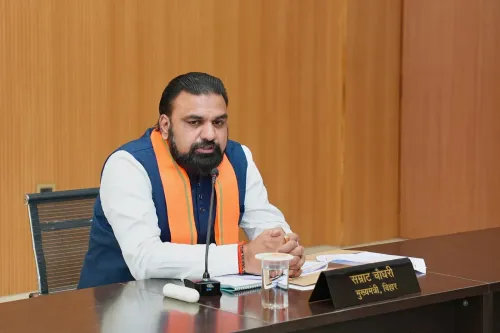
Bihar Chief Minister Samrat Choudhary on 15 July 2026 launched academic activities simultaneously across 211 new degree colleges, continuing the state's long-running push to expand undergraduate education infrastructure and reduce student out-migration from rural districts.
Key Takeaways
211 new degree colleges in Bihar commenced teaching and learning activities on 15 July 2026 .
Chief Minister Samrat Choudhary presided over the launch, which was broadcast live.
The initiative targets rural and semi-urban blocks that previously lacked local undergraduate institutions.
Bihar has historically recorded low gross enrolment ratios in higher education, making physical infrastructure expansion a core state policy.
Faculty recruitment and budget allocations for the new colleges are the critical next steps to watch.
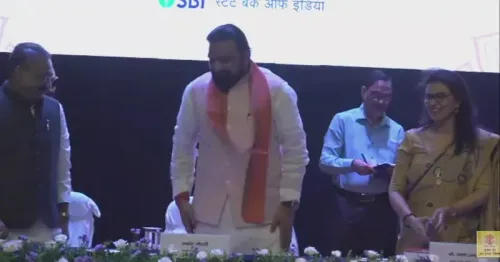
Bihar Chief Minister Samrat Choudhary on Wednesday, 15 July 2026 flagged off the commencement of academic activities across 211 new degree colleges in the state, marking one of the largest single-day expansions of undergraduate education infrastructure in Bihar's recent history. The live event, broadcast publicly, signals the state government's continued push to widen access to higher education in underserved districts.
Context
Chief Minister Choudhary shared the event live on social media, announcing the pathan-pathan karyon ka shubharambh (commencement of teaching and learning activities) across the newly established colleges. The simultaneous launch across 211 institutions is framed as a milestone in Bihar's effort to bring degree-level education closer to students who would otherwise have to migrate to urban centres for undergraduate studies.
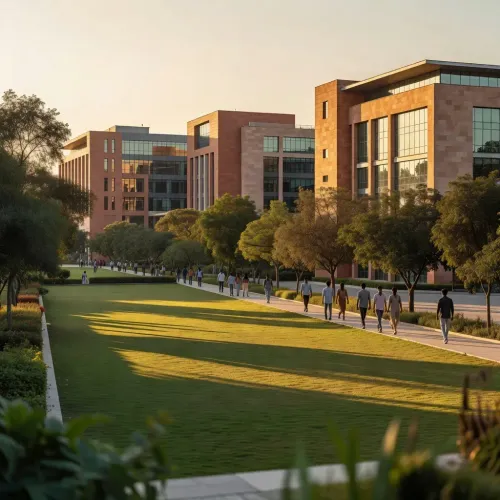
Bihar has historically recorded one of the lower gross enrolment ratios in higher education among major Indian states. Expanding the number of degree-granting institutions, particularly in rural and semi-urban blocks, has been a stated priority of successive administrations in Patna.
Policy Backdrop
Since the mid-2000s, Bihar has periodically sanctioned new degree colleges in blocks that lacked access to affiliated undergraduate institutions. These drives have typically been paired with faculty-recruitment notifications and affiliation reforms to ensure the new colleges become functional rather than remaining on paper.
The present initiative continues that long-running policy emphasis on expanding the physical footprint of higher education. Analysts who track state education policy note that quantity of institutions is treated as a first-order variable in Bihar's development calculus, with the expectation that enrolment numbers follow infrastructure availability.
Stakeholders and Impact
Rural students and first-generation college aspirants stand to benefit most directly, as many of the new colleges are expected to serve blocks that previously had no local degree-granting option. Families in these areas have historically faced the dual burden of higher costs and social barriers when sending children — particularly daughters — to colleges in distant towns.
Faculty associations and education administrators will be closely watching whether the state government follows through with timely recruitment of permanent teaching staff. Past expansion drives in the state have at times resulted in colleges that opened without a full complement of faculty, limiting academic quality in the early years of operation.
What's Next
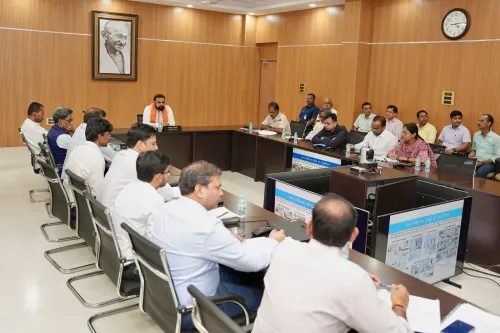
The immediate focus will be on state budget allocations for operational grants to the 211 colleges and the issuance of recruitment notifications for permanent faculty positions. Education department officials are expected to outline affiliation timelines and academic calendars for the newly activated institutions in the coming weeks.
If staffing and funding follow at pace, the initiative could meaningfully shift Bihar's gross enrolment ratio in higher education over the next academic cycle — a metric the state government has flagged as a key development indicator.
Point of View
Countable deliverable in the education sector ahead of any electoral cycle. Bihar's chronic deficit in higher-education access has long been both a development problem and a political liability, and large-scale institutional launches address both at once. However, the real test of this initiative lies not in the inauguration but in whether permanent faculty are recruited and operational budgets are sustained — areas where past expansion drives in the state have faltered. If the government closes that implementation gap, it could mark a genuine shift in Bihar's higher-education landscape rather than another round of headline-driven infrastructure announcements.
NationPress
15 Jul 2026
Frequently Asked Questions
How many new degree colleges did Bihar CM Samrat Choudhary launch?
Bihar Chief Minister Samrat Choudhary launched academic activities in 211 new degree colleges on 15 July 2026 .
Why is Bihar opening so many new degree colleges?
Bihar has historically had a low gross enrolment ratio in higher education. The state government has pursued expansion of degree colleges in underserved blocks to bring undergraduate education closer to rural students and reduce out-migration for studies.
Who is Samrat Choudhary?
Samrat Choudhary is the Chief Minister of Bihar and a senior leader of the Bharatiya Janata Party (BJP) , overseeing state-level governance including education and infrastructure initiatives.
Will the new Bihar degree colleges have enough teachers?
Faculty recruitment notifications and state budget allocations for the 211 colleges are the critical next steps. Past expansion drives in Bihar have at times seen colleges open without a full complement of permanent faculty, and this remains the key concern to watch.
Which students will benefit from the new degree colleges in Bihar?
Rural and first-generation college aspirants in blocks that previously lacked a local degree-granting institution are the primary beneficiaries, along with students — particularly young women — whose families faced barriers to sending them to distant urban colleges.